

Resource > Videos and animations >
How to Seed Cells for Organ-on-a-Chip Experiments
Not Your Average Joe – Episode 4
Filed under: General OOC

Video content if present
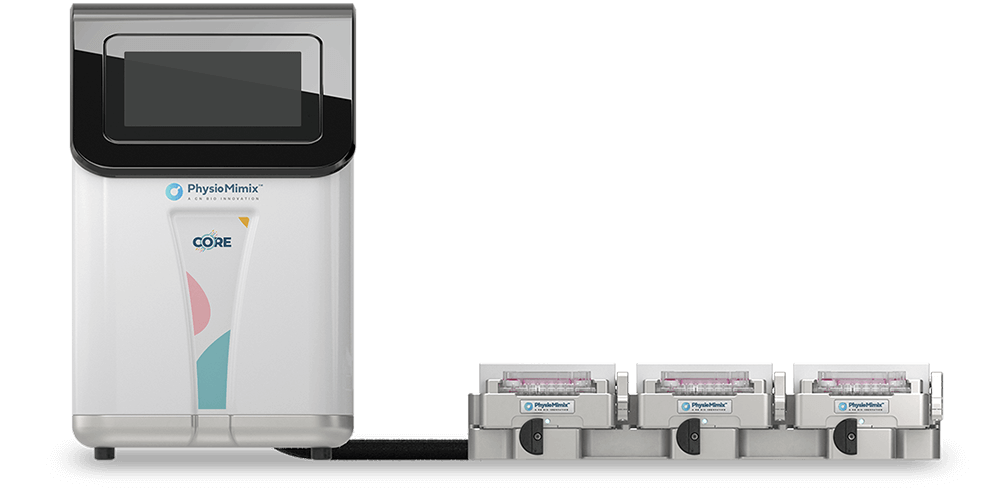
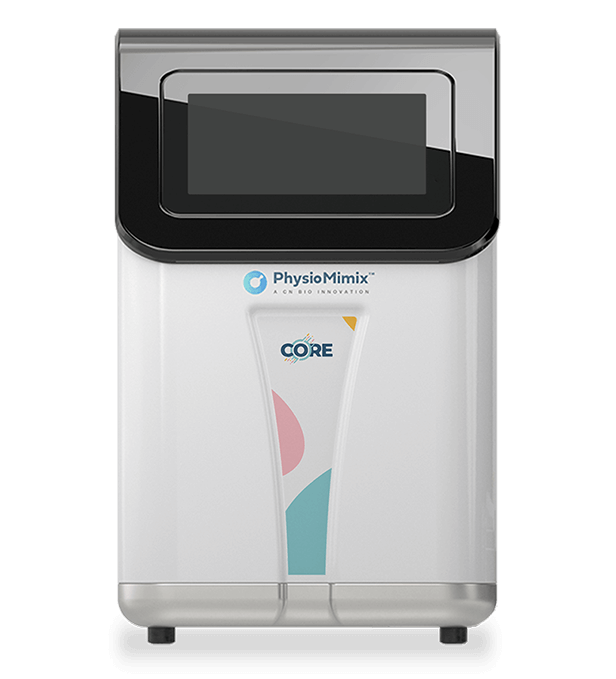
Once your PhysioMimix® Core is installed and ready to use, what comes next?
The next step is creating the tissues that power an Organ-on-a-Chip experiment.
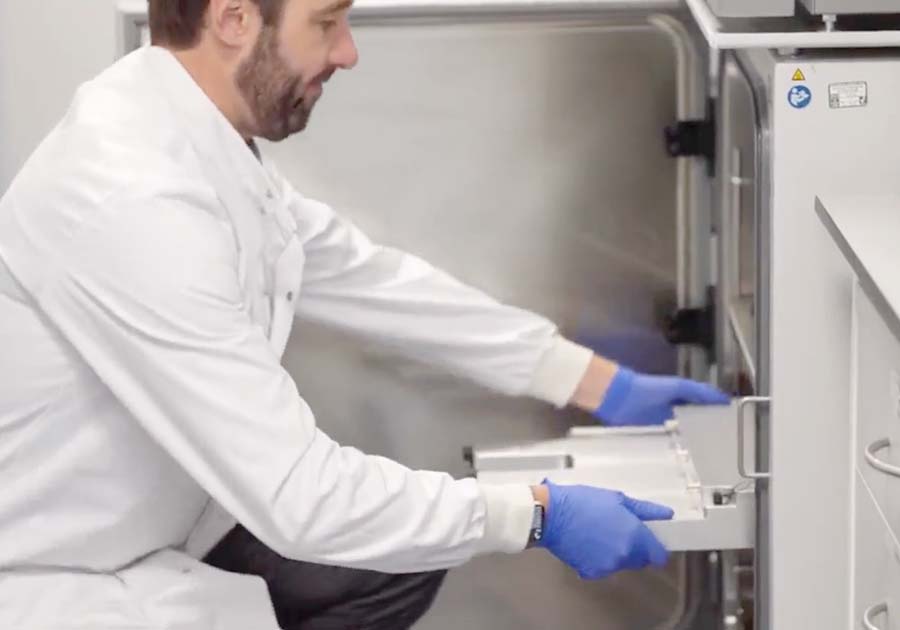
In this episode, Joe moves beyond setup and gets hands-on with the scientific workflow as he learns how cells are seeded into PhysioMimix® Multi-chip plates to form functional 3D human microtissues.
Watch as our team demonstrates how straightforward it can be to prepare cultures for experimentation and begin generating human-relevant data.
From Cells to Human-Relevant Models
At the heart of every Organ-on-a-Chip study are living human tissues.
PhysioMimix® workflows are designed to support the formation of functional 3D microtissues that more closely resemble human biology than traditional flat cell cultures.
This episode introduces the cell seeding process and shows how researchers can begin establishing tissues ready for downstream studies.
In This Episode
This practical demonstration walks through the early stages of tissue preparation within PhysioMimix® Core.
- How cells are introduced into PhysioMimix® Multi-chip plates
Discover how researchers prepare the system for tissue formation. - How microtissues begin to form
See how cells aggregate and organise into 3D tissue structures. - What happens after seeding
Understand the early culture period before experimentation begins. - Key considerations for preparing successful studies
Learn how this stage supports future dosing, sampling and analysis workflows.
Why 3D Tissues Matter
Traditional 2D cell culture places cells on a flat plastic surface.
While useful in many applications, these environments do not fully capture the complexity of human tissues.
Organ-on-a-Chip systems help support the formation of 3D tissue structures that more closely reflect how cells behave within the body.
These physiologically relevant tissue environments provide a foundation for studying drug response, metabolism, safety and disease biology.
Building the Foundation for Your Experiment
Successful studies begin long before compounds are introduced
The tissue formation stage helps establish the biological systems that researchers rely on throughout the lifetime of an experiment.
By creating functional human microtissues, researchers can investigate biological responses over extended periods and generate data that supports critical drug discovery decisions.
From Tissue Formation to Experimental Insight
Cell seeding may be one of the earliest stages of an Organ-on-a-Chip workflow, but it plays an important role in everything that follows.
The tissues established during this phase support:
- Drug metabolism studies
- Safety assessment
- Disease modelling
- Biomarker analysis
- Longitudinal investigations
- Multi-organ workflows
This episode demonstrates how researchers can begin that journey with confidence.
This content is part of a wider series:
Follow Joe’s journey as he discovers why Organ-on-a-Chip technology is easier to adopt than many researchers expect.
Watch other episodes
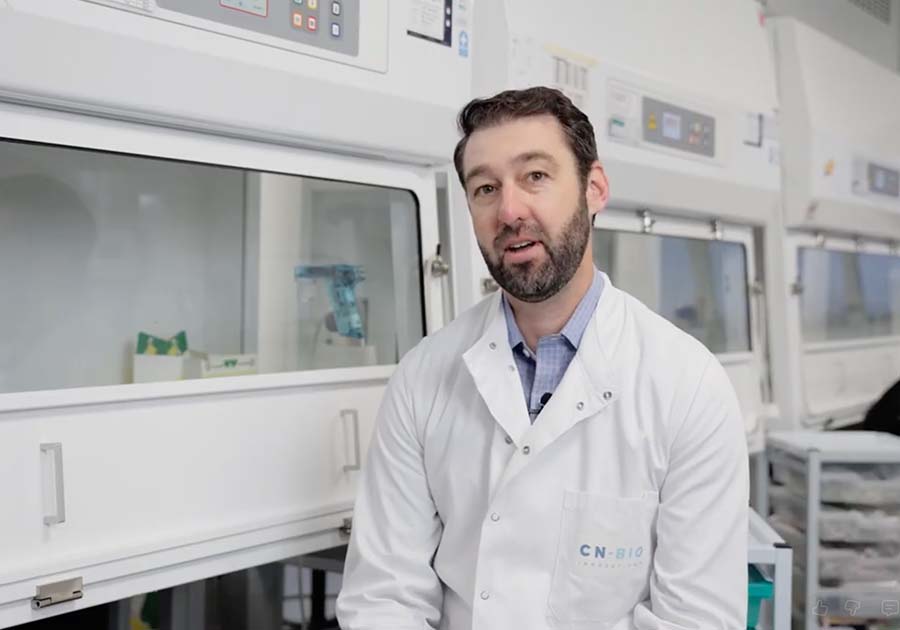
Series 1, Episode 1
Getting ready for Organ-on-a-chip – It’s easier than you think!
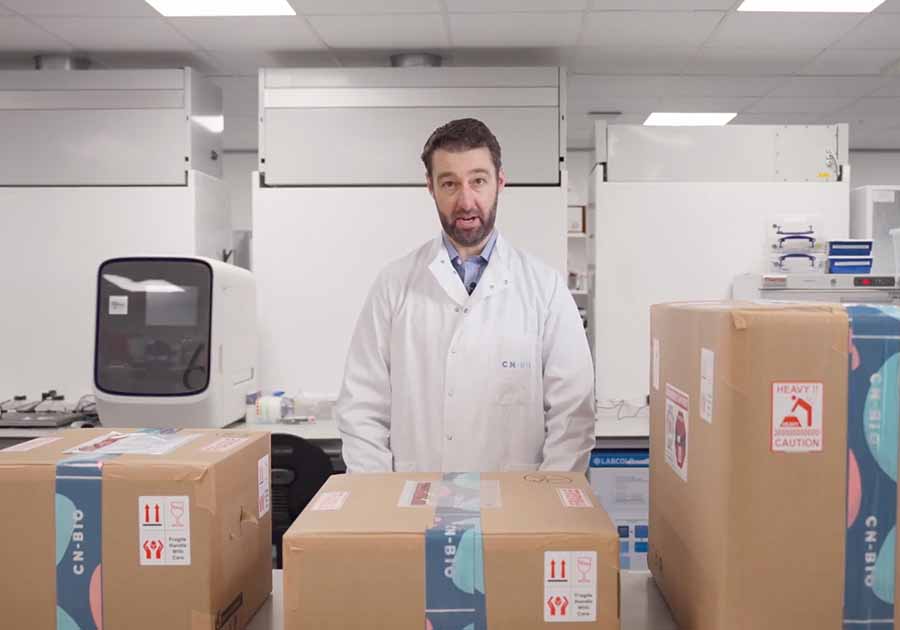
Series 1, Episode 2
Your First Day with the PhysioMimix® Core. What’s Included? Let’s unbox!
Series 1, Episode 3
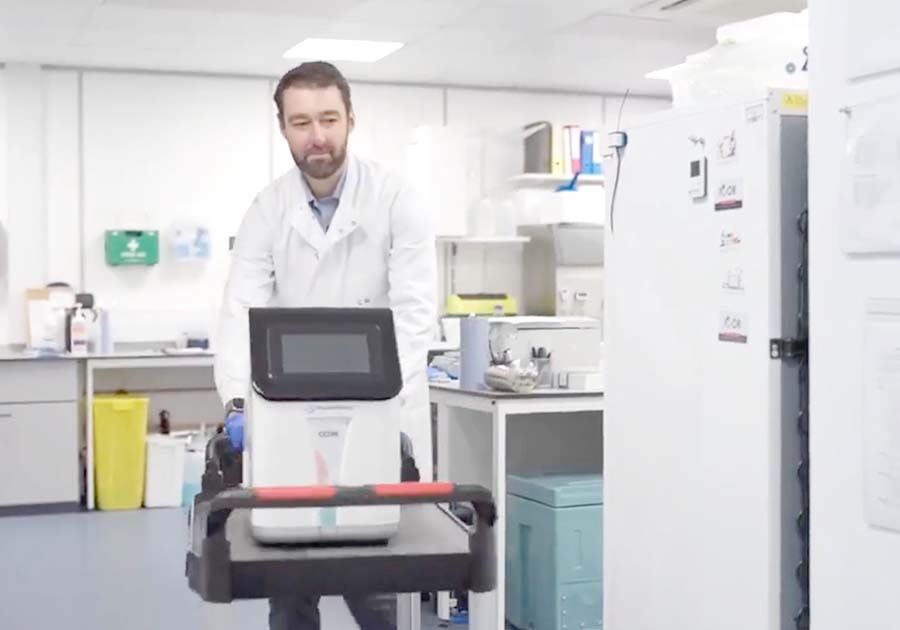
How to Set Up an Organ-on-a-Chip System
Series 1, Episode 4
How to Seed Cells for Organ-on-a-Chip Experiments
Series 1, Episode 5
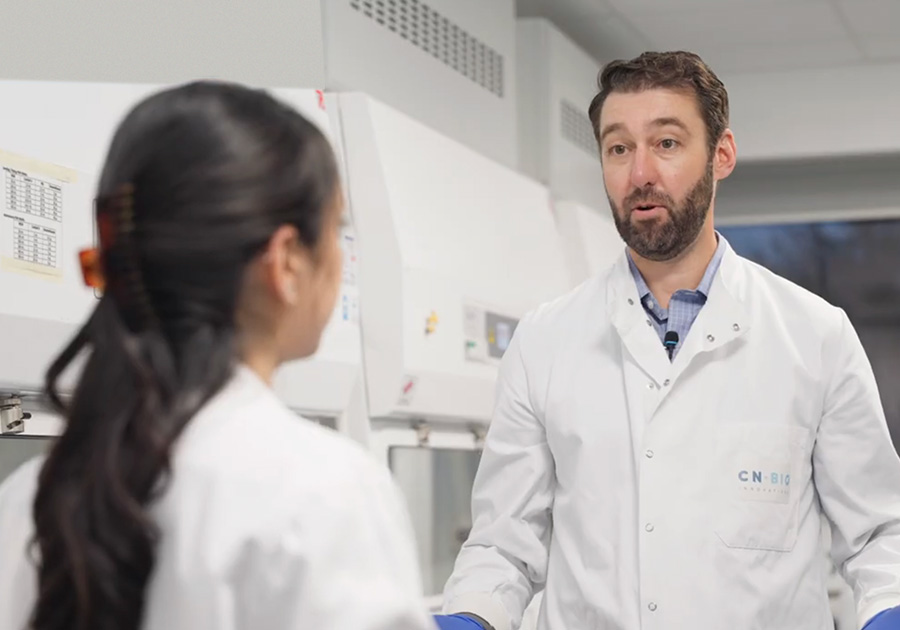
How to Dose Your Organ on a Chip Tissue
Series 1, Episode 6
How to Perform Endpoint Media Recovery for Analysis from Organ-on-a-Chip
Series 1, Episode 7
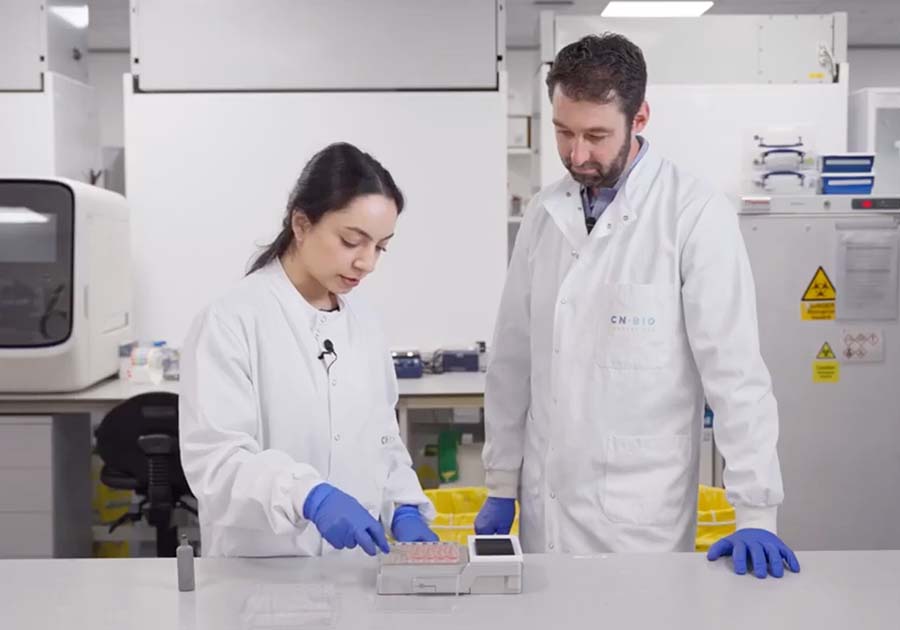
How to Collect Tissue Samples from Organ-on-a-Chip Experiments
Series 1, Episode 8
How to Scale Organ-on-a-Chip
Ready to Explore PhysioMimix® Core?
Discover how researchers are using Organ-on-a-Chip technology to generate human-relevant insight for safety assessment, ADME studies, and disease modeling.