

Resource > Videos and animations >
How to Collect Tissue Samples from Organ-on-a-Chip Experiments
Not Your Average Joe – Episode 7
Filed under: General OOC
Video content if present
By the end of an Organ-on-a-Chip study, you’ve collected media samples, monitored tissue performance and generated valuable experimental data. But there is often one final opportunity to learn more.
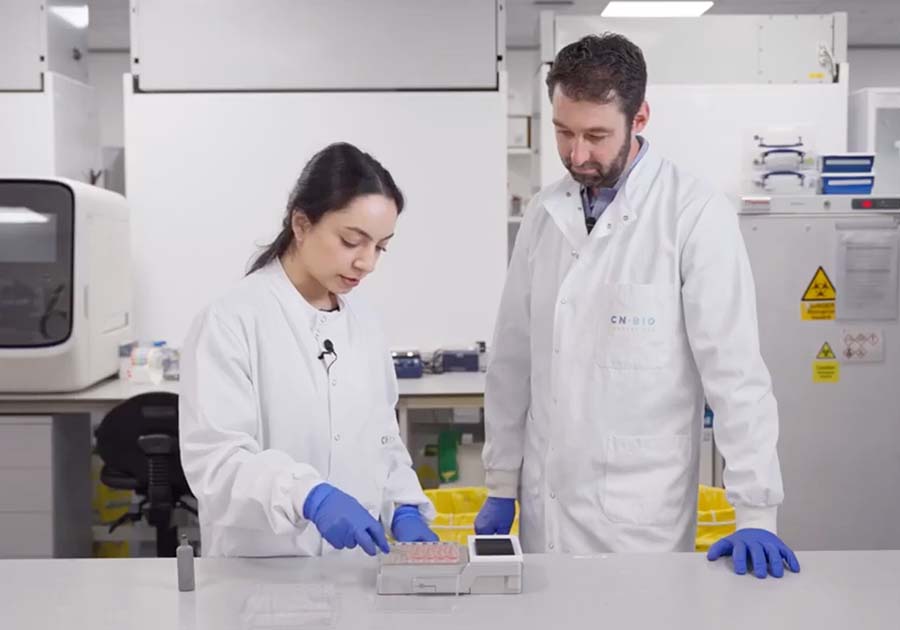
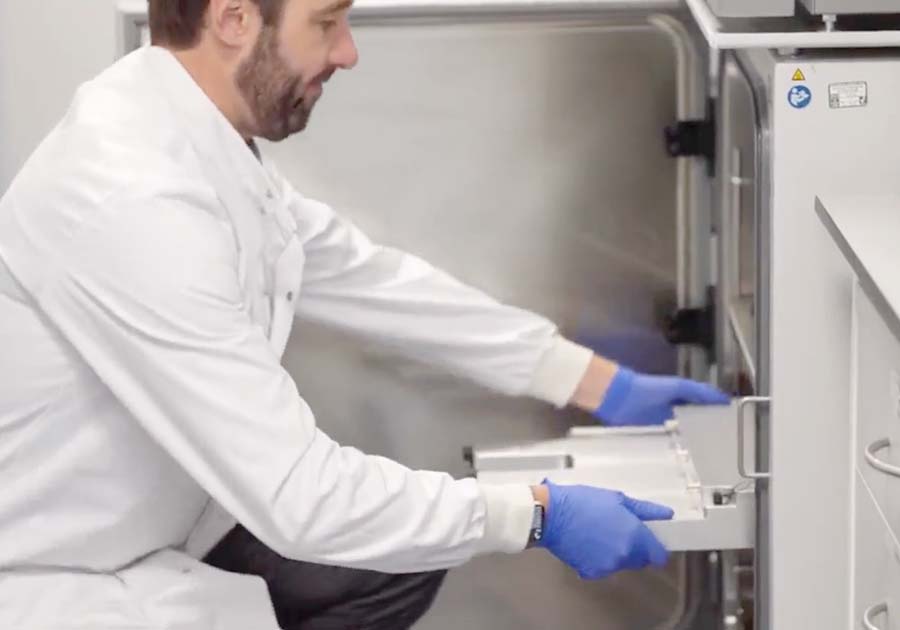
In this episode, Joe discovers how researchers can recover tissue samples from PhysioMimix® experiments for downstream analysis, helping unlock additional insight into biological responses, tissue health and experimental outcomes.
Watch as our team demonstrates how straightforward tissue collection can be as part of an Organ-on-a-Chip workflow.
Every Experiment Has More to Reveal
Media analysis provides valuable information throughout a study.
Endpoint tissue collection provides another layer of biological understanding.
From histological assessment to biomarker evaluation and mechanistic investigations, recovered tissues can help researchers better understand what happened during an experiment and generate additional evidence to support decision-making.
In This Episode
This practical demonstration walks through the process of recovering tissues for endpoint analysis.
- How to safely recover tissue samples
See how tissues are collected from PhysioMimix® Multi-chip plates. - How samples are prepared for downstream analysis
Learn how recovered tissues can support additional experimental workflows. - Key considerations for preserving sample quality
Understand important handling and collection considerations. - How tissue collection complements media analysis
Explore how different sample types can work together to generate a fuller picture of biological response.
Why Tissue Analysis Matters
Understanding biological response often requires multiple layers of evidence.
While media samples provide information about secreted biomarkers and tissue activity during a study, endpoint tissue samples allow researchers to directly assess the tissues themselves.
These samples can support:
- Histological evaluation
- Imaging studies
- Mechanistic investigations
- Biomarker analysis
- Safety assessment
- Disease modelling research
Together, these approaches can help build a more complete understanding of experimental outcomes.
Turning Tissues Into Biological Insight
One of the advantages of Organ-on-a-Chip technology is the ability to culture functional human tissues over extended periods.
By recovering tissues at study completion, researchers can investigate structural and biological changes that may not be visible through routine sampling alone.
This can provide additional evidence when evaluating:
- Drug response
- Tissue health
- Mechanisms of action
- Safety signals
- Disease progression
Maximising the Value of Every Experiment
Generating data starts long before an experiment begins and continues after dosing is complete.
Careful endpoint sample recovery helps researchers maximise the scientific value of each study by preparing tissues for further analysis and supporting a broader understanding of biological response.
This episode shows how straightforward that process can be.
This content is part of a wider series:
Follow Joe’s journey as he discovers why Organ-on-a-Chip technology is easier to adopt than many researchers expect.
Watch other episodes
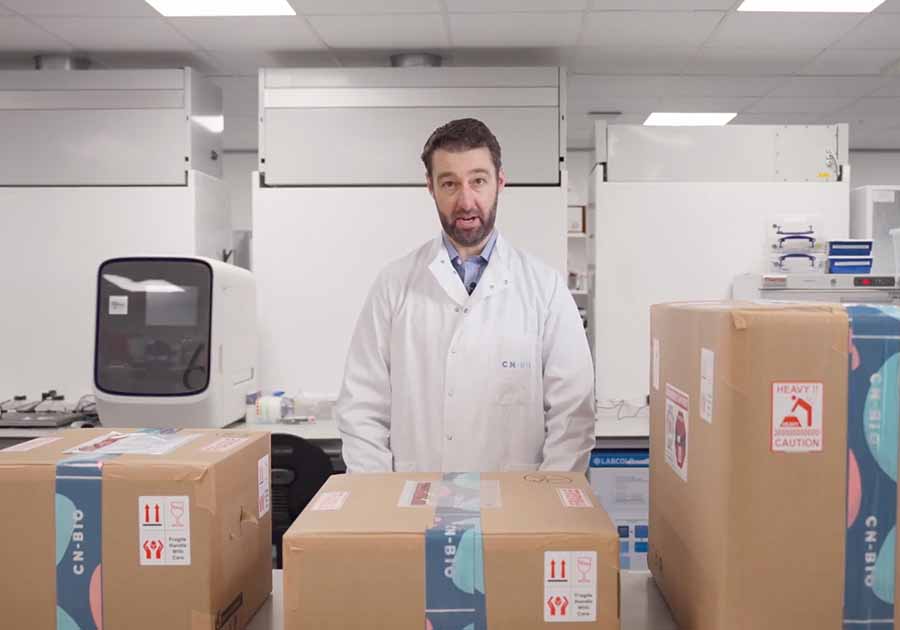
Series 1, Episode 1
Getting ready for Organ-on-a-chip – It’s easier than you think!
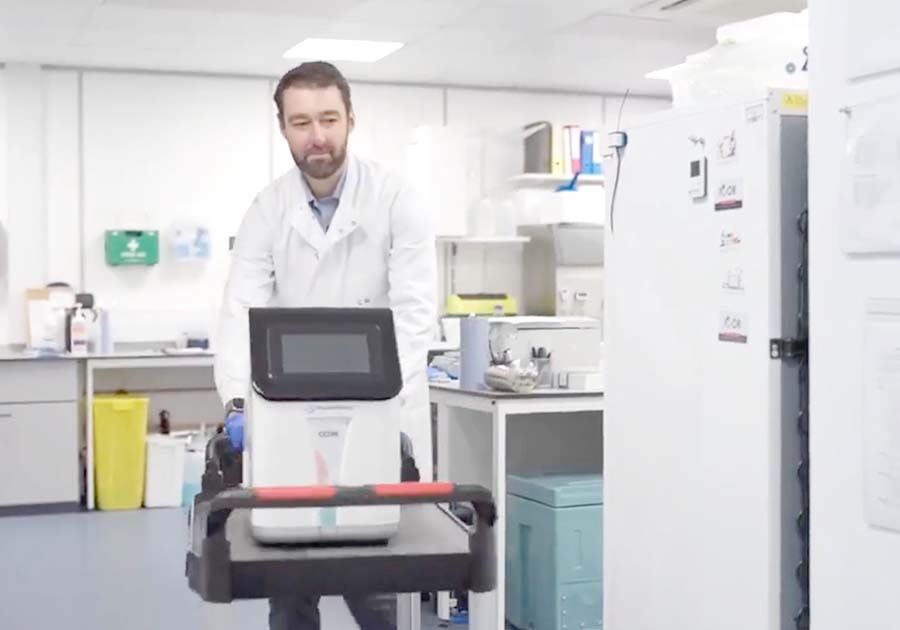
Series 1, Episode 2
Your First Day with the PhysioMimix® Core. What’s Included? Let’s unbox!
Series 1, Episode 3
How to Set Up an Organ-on-a-Chip System

Series 1, Episode 4
How to Seed Cells for Organ-on-a-Chip Experiments
Series 1, Episode 5
How to Dose Your Organ on a Chip Tissue
Series 1, Episode 6
How to Perform Endpoint Media Recovery for Analysis from Organ-on-a-Chip
Series 1, Episode 7
How to Collect Tissue Samples from Organ-on-a-Chip Experiments
Series 1, Episode 8
How to Scale Organ-on-a-Chip
Ready to Explore PhysioMimix® Core?
Discover how researchers are using Organ-on-a-Chip technology to generate human-relevant insight for safety assessment, ADME studies, and disease modeling.