




Resource > Podcasts >
How Do We Build Better Medicines Without Relying on Animal Testing
A conversation with Dr Yassen Abbas on Organ-on-a-Chip technology, AI, and the future of drug discovery
Filed under: General OOC
Video content if present
Listen to the podcast




How AI and Organ-on-a-Chip Could Revolutionize Medicine
The future of drug discovery is becoming increasingly human-relevant
As regulators, pharmaceutical companies and researchers look beyond traditional animal models, new technologies are emerging that can help generate more predictive insight into human biology.
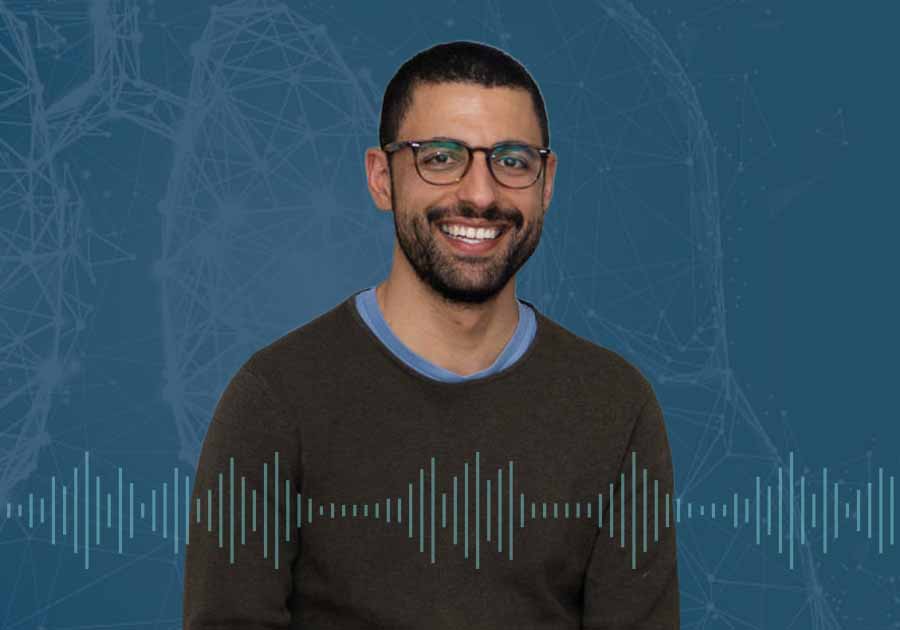
In this episode of Pulse by AlphaWire, Dr Yassen Abbas, Biology Group Leader at CN Bio, discusses how Organ-on-a-Chip technology is helping researchers study drug safety, efficacy and disease biology using models built around human cells and tissues. He also explores the growing role of artificial intelligence, computational modelling and precision medicine in the future of drug development.
Listen to the podcast
What You’ll Learn
In this discussion, Dr Abbas explores:
- Why traditional laboratory and animal models often struggle to predict human outcomes
- How Organ-on-a-Chip technology recreates aspects of human biology in the laboratory
- Why the FDA Modernization Act accelerated interest in non-animal methodologies
- How AI and machine learning can complement human-relevant experimental data
- The future of multi-organ systems and computational drug discovery
- Emerging opportunities in precision medicine and rare disease research
These themes reflect some of the most significant changes currently shaping drug discovery and development.
Key Takeaways
Human-Relevant Models Are Gaining Momentum
For decades, drug developers have relied heavily on traditional cell culture methods and animal models. However, differences between human and animal biology can make it difficult to predict clinical outcomes with confidence.
Organ-on-a-Chip technologies are helping researchers bridge this gap by supporting the culture of functional human tissues in physiologically relevant environments.
Regulatory Change Is Accelerating Adoption
A major turning point came with the FDA Modernization Act in 2022, which removed the requirement for animal testing as part of drug development submissions.
This regulatory shift has encouraged greater interest in New Approach Methodologies (NAMs), including Organ-on-a-Chip platforms and computational approaches.
AI Needs High-Quality Human Data
Artificial intelligence has become a major area of investment across the pharmaceutical industry.
But as discussed in the podcast, AI models are only as valuable as the data used to train them. Human-relevant experimental data may play an increasingly important role in helping researchers generate insights that can improve predictive modelling and decision-making.
The Future Is Connected Biology
From multi-organ systems to immune-competent models and computational predictions, the future of drug discovery is moving towards more integrated representations of human biology.
These approaches aim to help researchers answer increasingly complex scientific questions earlier in development.
“Most drugs in the drug development portfolio fail. Drug discovery companies are investing in more predictive models.”
Dr Yassen Abbas
Biology Group Leader, CN Bio
About The Speaker

Dr Yassen Abbas
Biology Group Leader, CN Bio
Dr Yassen Abbas is Biology Group Leader at CN Bio, where he helps advance Organ-on-a-Chip applications spanning ADME, oral bioavailability, computational modelling and emerging therapeutic areas. His background includes the European Space Agency and research positions at the University of Cambridge.
Explore Human-Relevant Drug Discovery
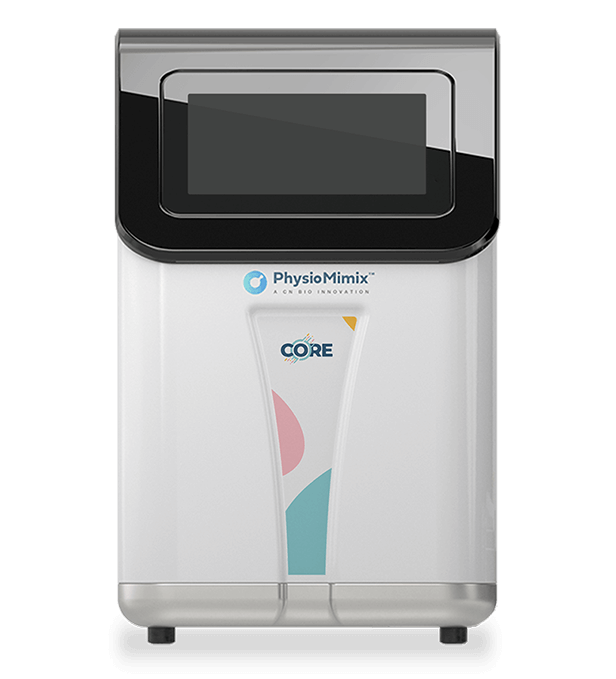
Discover how PhysioMimix® helps researchers generate human-relevant insight for safety assessment, ADME studies and disease modelling.
Related Content
Article: Bridging the Translational Gap with Human-Relevant ADMET
Video: How Microfluidic Flow Works