




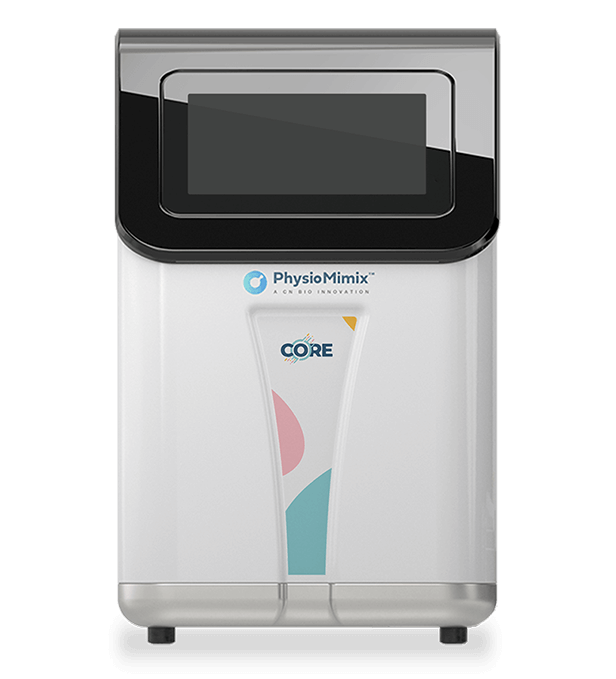
Resource > Webinars >
Improving Oral Bioavailability Prediction with Human Models
Generate evidence that supports go/no-go decisions earlier
Filed under: Drug bioavailability
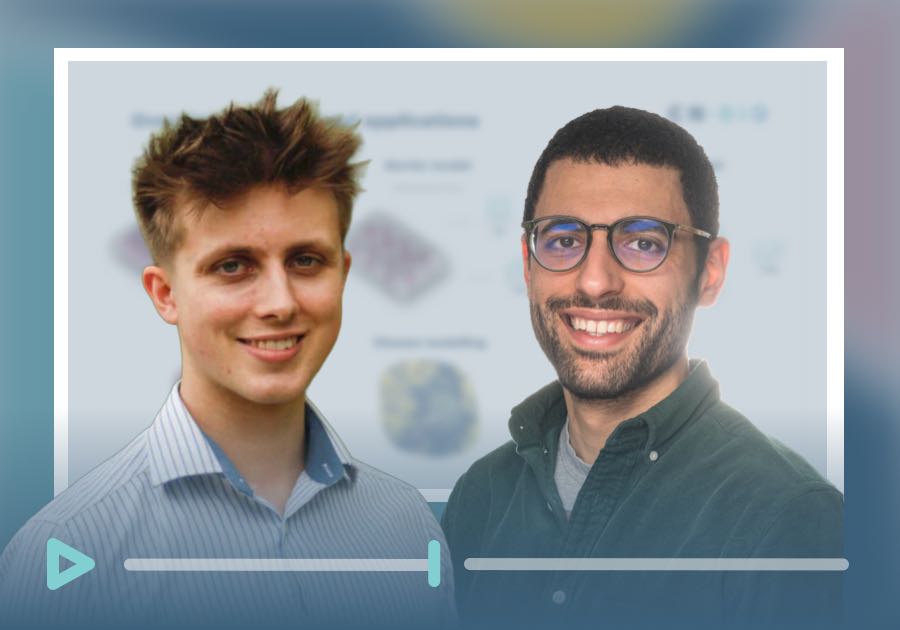
Video content if present
Learn how to improve oral bioavailability prediction with human models. Discover how integrated human Gut/Liver microphysiological systems (MPS) improve the prediction of oral drug exposure and drug-drug interactions before clinical studies.
Why Do So Many Oral Drug Candidates Still Fail?
Despite advances in drug discovery, predicting human oral drug exposure remains one of the most significant challenges in pharmaceutical development.
Conventional in vitro and animal models often struggle to recreate the complex interplay between intestinal absorption, first-pass metabolism and drug-drug interactions, creating uncertainty when translating findings into humans.
Dr Yassen Abbas and Dr Joseph Broomfield from CN Bio present validation data from an integrated human Gut/Liver microphysiological system (MPS) designed to provide mechanistic insight into oral drug disposition and support more informed preclinical decision-making.
What You’ll Learn
In this webinar, you’ll discover how integrated Gut/Liver MPS models provide mechanistic insight into oral drug disposition and support translation into human studies.
Key Learning Outcomes
- Understand how integrated Gut/Liver MPS models evaluate oral absorption, first-pass metabolism and bioavailability within a single workflow.
- Distinguish intestinal and hepatic contributions to drug disposition and DDIs.
- Learn how human-relevant MPS data translate into ADME parameters and integrate into PBPK models.
- Explore how researchers identify and characterise enzyme- and transporter-mediated drug-drug interactions in vitro.
- Examine validation datasets demonstrating CYP2D6-dependent variability and population differences in drug exposure.
Why This Matters
Drug developers continue to face a translational gap between preclinical findings and human outcomes.
Questions around bioavailability, metabolism and drug-drug interactions frequently emerge late in development, increasing risk, cost and uncertainty.
This webinar explores how integrated human Gut/Liver MPS models help researchers:
- Investigate intestinal absorption
- Evaluate first-pass metabolism
- Understand metabolic variability
- Characterise DDIs
- Support PBPK model development
- Generate human-relevant ADME insight earlier in development
All within a single physiologically relevant experimental system.
Featured Data Highlights
See validation data demonstrating how the platform can:
Predict Oral Bioavailability
Evaluate oral drug disposition using connected human gut and liver tissues.
Capture CYP2D6 Variability
Demonstrate differences in metabolic response using dextromethorphan as a model substrate.
Characterise Drug-Drug Interactions
Investigate clinically relevant CYP3A4 and transporter-mediated DDIs.
Support PBPK Modelling
Translate experimental findings into mechanistic pharmacokinetic predictions.
Meet the Speakers

Dr Yassen Abbas
Biology Group Leader, CN Bio
Dr Yassen Abbas leads development of Organ-on-a-Chip applications spanning ADME, oral bioavailability and computational modelling. His work focuses on generating human-relevant experimental data and integrating it with predictive modelling approaches.

Dr Joseph Broomfield
Senior Scientist, CN Bio
Dr Joseph Broomfield develops and applies Organ-on-a-Chip technologies to support predictive drug discovery, safety assessment and metabolism studies.
Is This Webinar Relevant for You?
This webinar is particularly relevant if you are:
- Investigating oral drug absorption
- Experiencing unexpected bioavailability challenges
- Evaluating first-pass metabolism
- Assessing DDI risk
- Building PBPK models
- Exploring New Approach Methodologies (NAMs)
- Looking to reduce reliance on animal studies