




Resource > Scientific publications >
Dynamic Culture Improves the Predictive Power of Bronchial and Alveolar Airway Models of SARS‑CoV‑2 Infection
Filed under: Disease modeling and Pulmonary infection
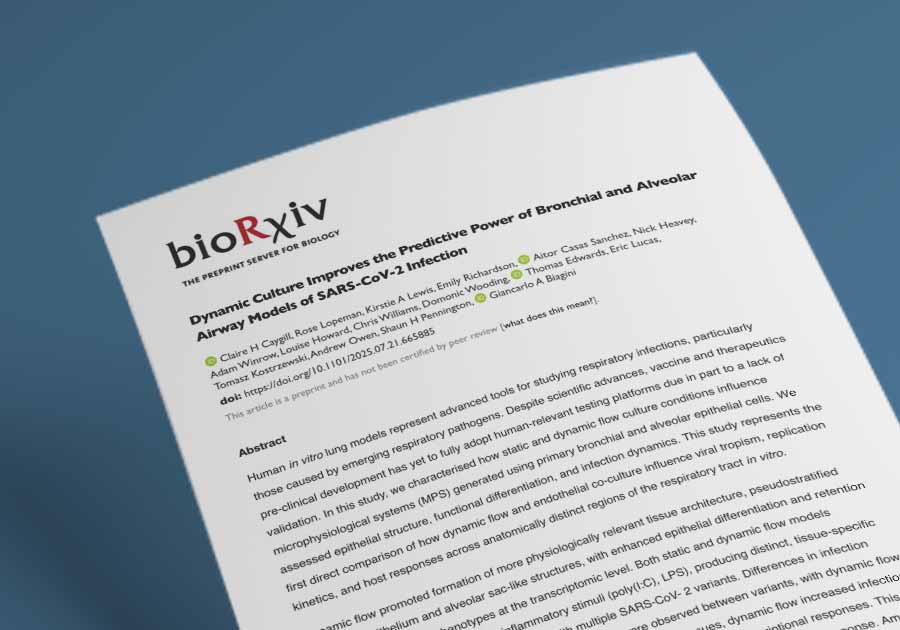
Discover how dynamic microfluidic flow culture improves the predictive power of in vitro lung models in this publication by Caygill et al., (2025), PhysioMimix users at Liverpool School of Tropical Medicine.
Their study describes the use of perfused primary human alveolar and bronchial lung microphysiological systems for more human-relevant exploration of SARS‑CoV‑2 infection.
Why This Research Matters
Human-relevant lung models
Their manuscript provides a direct comparison of static versus dynamic flow microphysiological systems (MPS) comprised of primary bronchial and alveolar epithelial cells to model different regions of the respiratory tract.
Enhanced tissue architecture
Dynamic flow is proven to promote the development of pseudostratified bronchial epithelium and alveolar sac‑like structures with improved differentiation and region-specific gene expression.
Better infection and immune modeling
Advanced in vitro lung microphysiological systems support infection by multiple SARS‑CoV‑2 variants and reveal variant-specific differences in viral tropism, replication, and cytokine responses.
Key Highlights
- Direct comparison of static and dynamic culture methods across bronchial vs. alveolar compartments
- Dynamic flow enhances reproducibility, sensitivity, and detection of host interferon signaling in alveolar-infection models
- Variant insights: Delta variant causes most tissue damage and strongest transcriptional response; Omicron BA.5 shows higher infectivity in alveolar tissues
What You’ll Learn
- The benefits of microphysiological systems (MPS) over static 2D cultures in respiratory virus research
- How dynamic flow culture enhances tissue maturity and host immune responsiveness
- The importance of genetically distinct SARS‑CoV‑2 variant modeling for preclinical testing
Why You Should Read It
- If you’re involved in drug discovery, vaccine development, or modeling respiratory disease, this study demonstrates how dynamic flow lung-on-chip models deliver more predictive virology insights.
- Discover how to stay ahead of the curve by exploring how advanced culture methods can accelerate evaluation of emerging respiratory pathogens.
- Learn practical approaches to modeling respiratory infections in region-specific lung tissues—key for translational research applications.
Read the full preprint
Dynamic Culture Improves the Predictive Power of Bronchial and Alveolar Airway Models of SARS‑CoV‑2 Infection — published by CayGill et al., (2025) on bioRxiv, DOI: 10.1101/2025.07.21.665885
Learn more about PhysioMimix lung-on-a-chip models
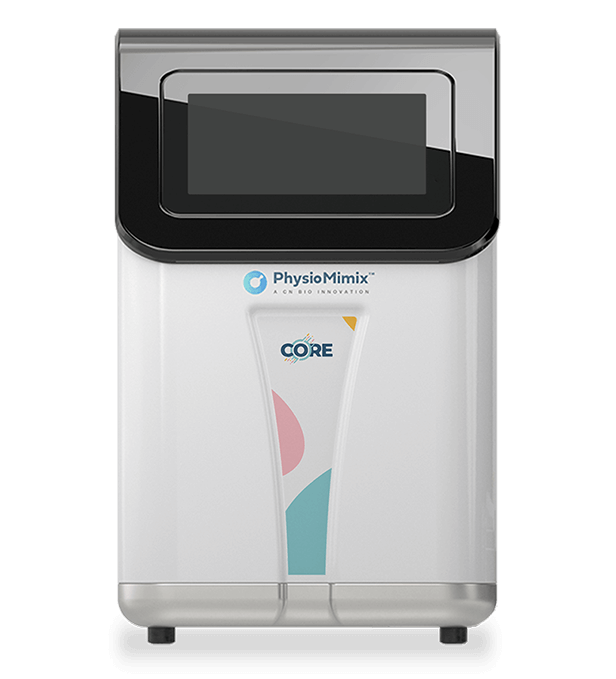
Learn more about using PhysioMimix Core for pulmonary infection
Learn more about the PhysioMimix Core microphysiological system