

Resource > Scientific publications >
Comparative analysis of species-specific hepatocyte function and drug effects in a liver microphysiological system PhysioMimix LC12 and 96-well plates
Filed under: DILI and Safety toxicology
Summary
PhysioMimix® LC12 MPS was used to compare species-specific primary hepatocyte function and drug-induced liver injury responses in human, cynomolgus monkey, rat, and dog liver models. The researchers found that hepatocytes in PhysioMimix LC12 MPS maintained albumin and urea secretion for longer than conventional 2D cultures, and that repeat-dose drug studies in the platform revealed time-dependent and species-specific effects of chlorpromazine, bosentan, and fialuridine.
The main finding was that PhysioMimix LC12 MPS can complement conventional 2D hepatocyte assays by supporting longer-term functional readouts, longitudinal biomarker sampling, and transcriptomic analysis in species-specific liver safety studies. The study also reported that variability, low throughput, and operational complexity remain important considerations when using microphysiological systems for prospective drug safety testing.
Study facts at a glance
| Publication | Negi CK, Sakolish C, Tsai HD, Nitsche K, Gang H, Bajaj P, Ferguson SS, Stanko JP, Hewitt P, Kukla DA, Lloyd SM, Villenave R, Rusyn I. Comparative Analysis of Species-Specific Hepatocyte Function and Drug Effects in a Liver Microphysiological System PhysioMimix LC12 and 96-Well Plates. ACS Pharmacol Transl Sci. 2025 Oct 3;8(11):4138-4158. |
| DOI | 10.1021/acsptsci.5c00554 |
| CN Bio product used | PhysioMimix® LC12 |
| How the platform was used | Primary hepatocytes from human, cynomolgus monkey, rat, and dog were cultured in PhysioMimix LC12 for up to 14 days under continuous perfusion at 1 μL/s, then compared with collagen I-coated 96-well plate 2D cultures for basal function and drug-induced liver injury readouts. |
| Biological context | Drug-induced liver injury in species-specific primary hepatocyte models using human, cynomolgus monkey, Sprague-Dawley rat, and Beagle dog hepatocytes. |
| Comparator | Conventional static 2D monolayer hepatocyte cultures in collagen I-coated 96-well plates. |
| Key readouts | Albumin, urea, lactate dehydrogenase, aspartate transaminase, alanine aminotransferase, bile acid secretion, scaffold imaging, cell coverage, and transcriptomic profiling. |
| Main interpretation | The study showed that PhysioMimix LC12 MPS supported longer-term hepatocyte function than 2D culture and enabled repeat-dose, cross-species assessment of hepatotoxicity, while also highlighting practical limitations linked to variability, throughput, and operational complexity. |
Table of Contents
Which CN Bio product was used?
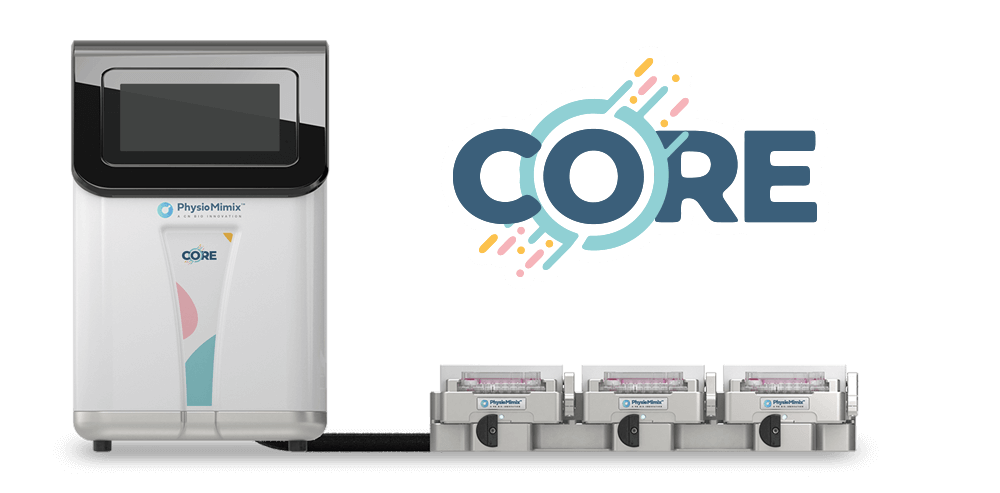
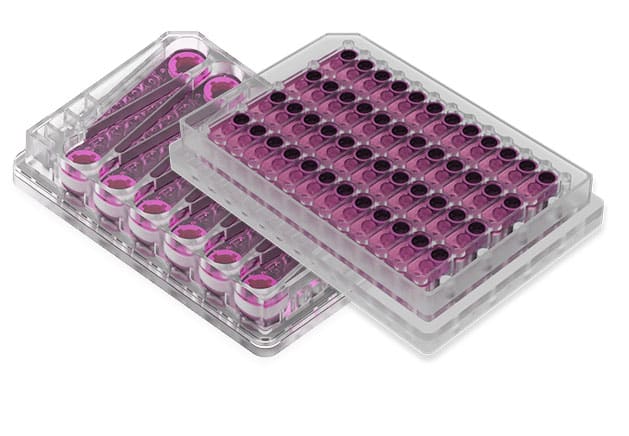
The study used PhysioMimix LC12, a perfusion-based liver Liver-on-Chip plate. Primary hepatocytes were seeded into the PhysioMimix LC12 scaffold at 500,000 to 600,000 cells per chip and maintained under continuous perfusion at 1 μL/s for up to 14 days. The platform was used to assess basal hepatocyte function, repeat-dose drug-induced liver injury, bile acid secretion, and transcriptomic responses across human, cynomolgus monkey, rat, and dog hepatocytes.
PhysioMimix LC12 was used alongside conventional 2D monolayer culture in collagen I-coated 96-well plates. The 2D cultures were used for concentration-response testing and comparison with the longer-term MPS workflow.
Find out more about CN Bio Liver-on-a-chip models here
Find out more about CN Bio DILI assays here
What this paper is about
This paper addresses a key challenge in drug development: drug-induced liver injury can differ between humans and preclinical animal species, which may limit the translational value of conventional safety studies. The study evaluated whether a liver microphysiological system could support cross-species comparison of hepatocyte function and drug response using primary hepatocytes from human, cynomolgus monkey, rat, and dog.
The researchers compared PhysioMimix LC12 with conventional 2D hepatocyte cultures in 96-well plates. Basal hepatocyte function was assessed using albumin and urea secretion, cell injury markers, scaffold imaging, and gene expression. Drug-induced liver injury was evaluated using three reference hepatotoxicants: chlorpromazine, bosentan, and fialuridine.
The study used a tiered design. Concentration-response experiments were first performed in 2D cultures, then selected repeat-dose exposures were tested in PhysioMimix LC12 over longer culture periods. This design allowed the researchers to compare dose-dependent effects in 2D cultures with time-dependent and cumulative effects in the liver MPS.
What the researchers found
The study reported that primary hepatocytes from all four species could be cultured in PhysioMimix LC12 MPS, with cells distributed along the scaffold microchannels and scaffold surface by day four. Cell coverage declined over time and varied by species, which the authors identified as a limitation for future cross-species comparisons.
The main functional finding was that albumin and urea secretion were more stable in PhysioMimix LC12 MPS than in conventional 2D cultures. In human and monkey hepatocytes, albumin levels in PhysioMimix LC12 MPS were about three-fold higher than in 2D cultures on day four, then declined but remained higher than 2D cultures after eight days.
The study showed that many drug metabolism and transporter genes were maintained or upregulated over 14 days in PhysioMimix LC12 MPS, including CYP1A2, CYP2D6, CYP3A4, and UGT1A families. Other genes, including CYP2A6, CYP2B6, CYP2C8, and CYP2E1, declined over the same period, showing that hepatocyte gene expression was maintained in a gene-specific rather than uniform manner.
In 2D cultures, chlorpromazine produced significant toxic effects in human hepatocytes across multiple biomarkers, while monkey, rat, and dog hepatocytes showed different response patterns. Bosentan produced significant effects in human hepatocytes, particularly through lactate dehydrogenase and later through albumin, aspartate transaminase, and alanine aminotransferase at the highest concentration tested. Fialuridine produced less pronounced effects in 2D culture, with albumin decreases in human hepatocytes and limited alanine aminotransferase effects in monkey hepatocytes.
In PhysioMimix LC12 MPS, all three drugs produced more pronounced time-dependent effects under repeat-dose conditions. Chlorpromazine effects were most robust in human hepatocytes and showed similar time-course patterns in monkey hepatocytes. Bosentan effects in human hepatocytes were most pronounced for lactate dehydrogenase and albumin, while fialuridine caused a time-dependent decline in albumin in human and dog hepatocytes.
The study also reported transcriptomic and bile acid readouts that helped interpret drug mechanisms. Human hepatocytes showed significant declines in bile acid levels in the culture media after treatment with chlorpromazine, bosentan, and fialuridine, while drug effects on bile acids were smaller and nonsignificant in nonhuman hepatocytes.
Why the paper matters
This paper matters because it provides a direct comparison of species-specific hepatocyte responses in a perfused liver microphysiological system and conventional 2D culture. The study supports the use of PhysioMimix LC12 MPS as a complementary model for longer-term in vitro hepatotoxicity assessment, especially where delayed or cumulative drug effects may be difficult to observe in short-term 2D cultures.
The paper is also useful because it shows the value of combining functional biomarkers, clinical liver injury markers, bile acid measurements, and transcriptomic profiling in the same cross-species study design. This combined readout strategy helped distinguish compound-specific and species-specific patterns of hepatocyte response.
The study does not position PhysioMimix LC12 MPS as a universal replacement for animals or simpler in vitro systems. Instead, the authors conclude that MPS should be used as a complementary tool within a tiered preclinical safety workflow, with 2D cultures supporting initial screening and dose selection, and MPS supporting more focused long-term and mechanistic assessment.
Key study takeaways
- PhysioMimix LC12 MPS was used to culture primary hepatocytes from human, cynomolgus monkey, rat, and dog for up to 14 days under continuous perfusion.
- The study compared PhysioMimix LC12 MPS with conventional 2D monolayer hepatocyte cultures in collagen I-coated 96-well plates.
- Hepatocytes in PhysioMimix LC12 MPS showed more stable albumin and urea secretion than 2D cultures, supporting longer-term functional assessment.
- Repeat-dose studies in PhysioMimix LC12 MPS revealed time-dependent and species-specific effects of chlorpromazine, bosentan, and fialuridine.
- The workflow combined liver function markers, clinical injury biomarkers, bile acid secretion, scaffold imaging, and transcriptomic profiling.
- The paper highlights practical context-of-use considerations for MPS, including lower throughput, variability, cost, and operational complexity compared with 2D culture.
Why this paper is worth reading
This paper is useful because it provides a practical framework for using liver MPS and 2D hepatocyte cultures together in cross-species drug-induced liver injury assessment. Scientists working in drug safety, toxicology, translational biology, and model selection can use the study to understand where PhysioMimix LC12 MPS adds value, particularly for repeat-dose studies, delayed toxicity, functional liver biomarkers, bile acid readouts, and transcriptomic analysis.
FAQ
The study used PhysioMimix LC12 MPS, a perfusion-based liver microphysiological system from CN Bio.
PhysioMimix LC12 MPS was used to culture primary hepatocytes from human, cynomolgus monkey, rat, and dog for up to 14 days under continuous perfusion at 1 μL/s. The platform supported basal function studies, repeat-dose hepatotoxicity testing, bile acid analysis, and transcriptomic profiling.
The study focused on drug-induced liver injury using species-specific primary hepatocyte liver models. Human, cynomolgus monkey, Sprague-Dawley rat, and Beagle dog hepatocytes were evaluated in PhysioMimix LC12 MPS and 2D culture.
The main finding was that PhysioMimix LC12 MPS supported longer-term hepatocyte function and enabled repeat-dose assessment of species-specific drug effects. The study showed time-dependent responses to chlorpromazine, bosentan, and fialuridine that were more pronounced in the MPS workflow than in 2D culture.
The study compared PhysioMimix LC12 MPS with conventional static 2D monolayer hepatocyte cultures in collagen I-coated 96-well plates. It also compared hepatocyte responses across human, cynomolgus monkey, rat, and dog cells.
The readouts used in the study were albumin, urea, lactate dehydrogenase, aspartate transaminase, and alanine aminotransferase, levels as well as bile acid secretion, scaffold cell coverage, and gene expression.
The paper is useful because it shows how 2D hepatocyte culture and PhysioMimix LC12 MPS can be combined in a tiered workflow for cross-species liver safety assessment. It provides evidence that MPS can add value for longer-term, repeat-dose, and mechanistic studies, while also defining practical limitations such as throughput, variability, and complexity.
Full citation
Related products and services
Contract research services
Discover how to utilize our cross-species models to inform next-step decision making via our DILI in vitro Contract Research Services here.
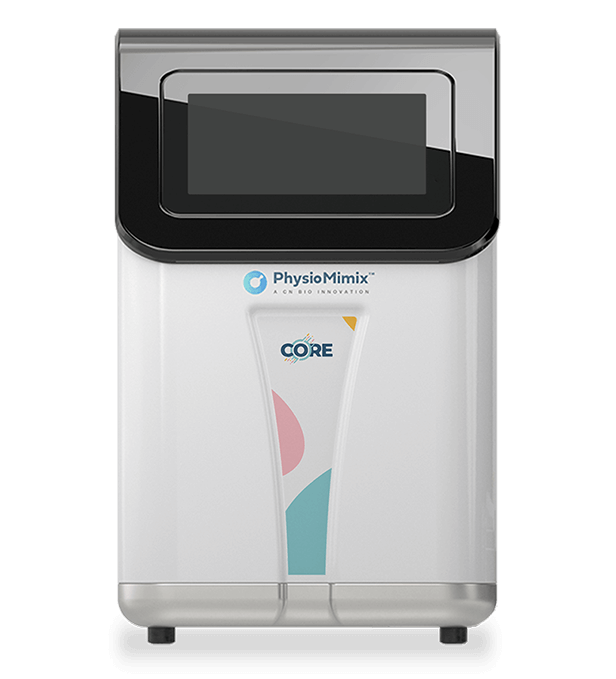
Add PhysioMimix Core in your lab
To develop your own cross-species Liver MPS models, you will need: