

Resource > Scientific publications >
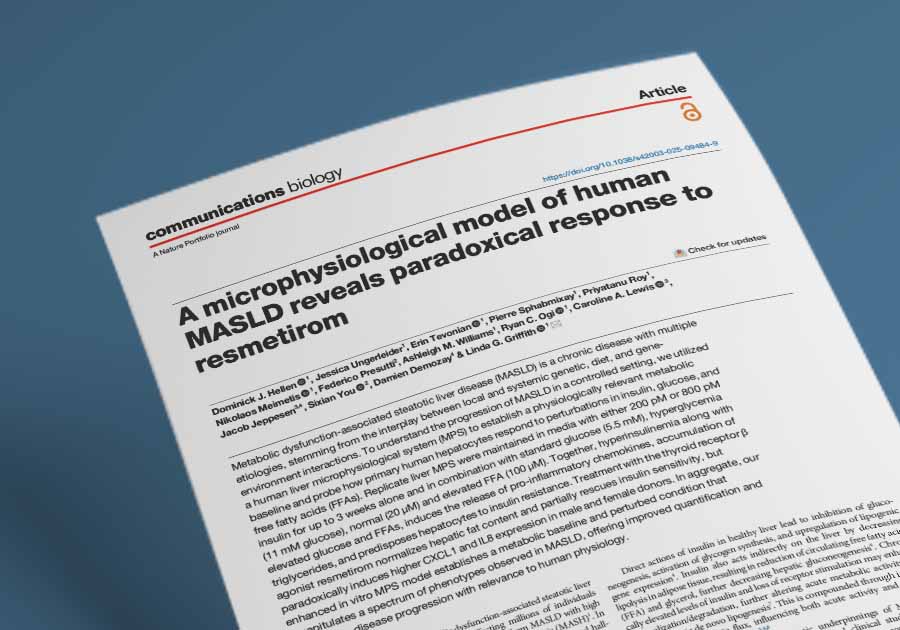
A microphysiological model of human MASLD reveals paradoxical response to resmetirom
Filed under: DILI, Disease modeling, MASLD/MASH, and Safety toxicology
Summary
The study used the CN Bio PhysioMimix® Liver-12 (LC12) plate and the PhysioMimix Core System to model metabolic dysfunction-associated steatotic liver disease (MASLD) using perfused three-dimensional primary human hepatocyte microtissues. Researchers established physiologically grounded healthy and disease-like media conditions, showing that modest hyperinsulinemia, especially when combined with elevated glucose and free fatty acids, induced insulin resistance, steatosis, bile acid changes, and inflammatory chemokine release.
Resmetirom improved insulin sensitivity and normalized hepatic steatosis in the MASLD model, but it also produced a paradoxical increase in CXCL1 and IL8 secretion. The work matters because it provides a human in vitro framework for studying early MASLD biology, patient-relevant metabolic stress, therapeutic response, and potential mechanisms behind heterogeneous drug outcomes.
Study facts at a glance
| Publication | Hellen DJ, Ungerleider J, Tevonian E, Sphabmixay P, Roy P, Meimetis N, Presutti F, Williams AM, Ogi RC, Lewis CA, Jeppesen J, You S, Demozay D, Griffith LG. A microphysiological model of human MASLD reveals paradoxical response to resmetirom. Communications Biology. 2026;9:148. |
| DOI | 10.1038/s42003-025-09484-9 |
| CN Bio product used | PhysioMimix® LC12 and PhysioMimix Core System |
| How the platform was used | Primary human hepatocytes were cultured as continuously perfused three-dimensional liver microtissues in 12-channel liver microphysiological system platforms, with flow maintained at 1 µL/s and experiments running for up to 19 days. |
| Biological context | Metabolic dysfunction-associated steatotic liver disease (MASLD), type 2 diabetes-related hepatic insulin resistance, primary human hepatocytes, healthy versus disease-like nutrient and insulin conditions. |
| Comparator | Condition 1 physiological baseline media, single-variable metabolic perturbations, dietary-style nutrient recovery, vehicle-treated controls, and resmetirom-treated conditions. |
| Key readouts | Insulin uptake, hepatic glucose production, AKT phosphorylation, gluconeogenic gene expression, intracellular triglycerides, bile acids, cytokine secretion, bulk RNA sequencing, and label-free multiphoton imaging of lipids, nicotinamide adenine dinucleotide phosphate and flavin adenine dinucleotide. |
| Main interpretation | The study shows that physiologically grounded hyperinsulinemia, hyperglycemia, and elevated free fatty acids can induce an early MASLD-like hepatocyte phenotype in a perfused human liver microphysiological system, while resmetirom reverses steatosis but unexpectedly increases selected inflammatory chemokines. |
Table of Contents
Which CN Bio product was used?
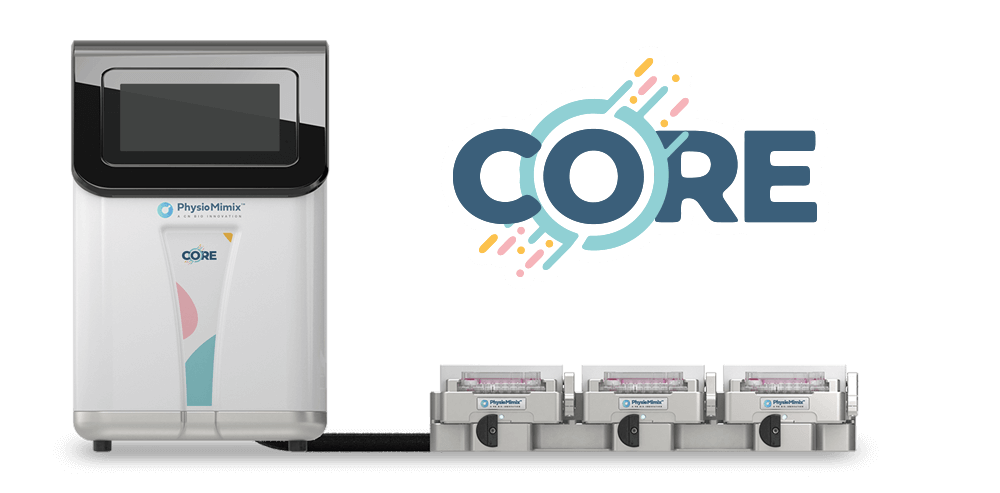
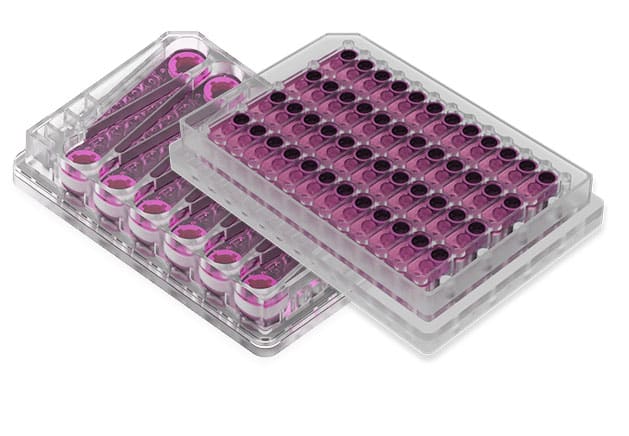
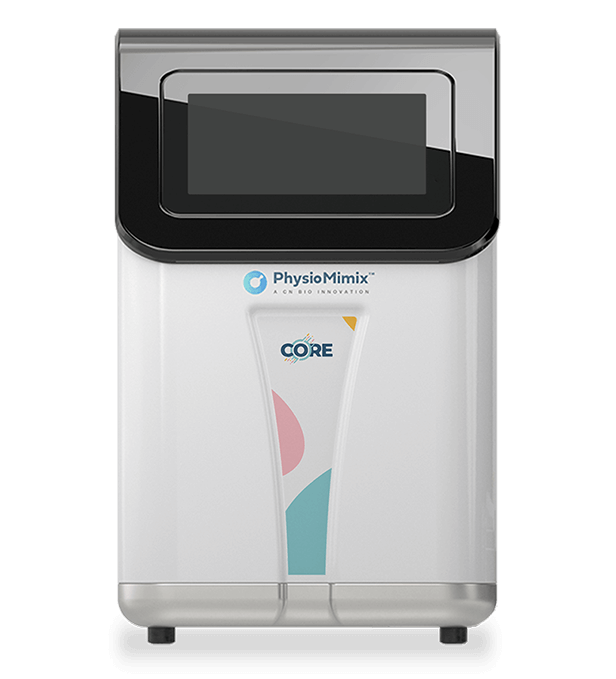
The study used PhysioMimix LC12, a perfusion-based liver Liver-on-Chip plate and the PhysioMimix Core System. Primary human hepatocytes were seeded into three-dimensional scaffolds, cultured under continuous perfusion at 1 µL/s, and maintained in defined insulin, glucose, and free fatty acid conditions for up to 19 days. The platform enabled longitudinal measurement of hepatocyte insulin uptake, glucose production, bile acid output, chemokine release, and metabolic function under physiologically relevant nutrient conditions.
Find out more about CN Bio Liver-on-a-chip models here
Find out more about CN Bio DILI assays here
What this paper is about
Metabolic dysfunction-associated steatotic liver disease and type 2 diabetes are closely linked through hepatic insulin resistance, but standard preclinical models often struggle to translate to human therapeutic outcomes. The authors addressed this gap by building a human liver microphysiological system model that used clinically realistic insulin, glucose, and free fatty acid concentrations rather than supraphysiological media conditions commonly used in in vitro disease modeling.
The researchers compared a physiological baseline condition with multiple disease-relevant perturbations: elevated insulin, elevated glucose, elevated free fatty acids, combined glucose and free fatty acid exposure, and a full disease-like condition combining hyperinsulinemia, hyperglycemia, and elevated free fatty acids. They then tested reversibility using a dietary-style return to baseline media and a targeted therapeutic intervention with resmetirom, a thyroid receptor beta agonist approved for non-cirrhotic metabolic dysfunction-associated steatohepatitis.
What the researchers found
The main finding was that modest, physiologically relevant hyperinsulinemia was sufficient to induce key features of hepatic insulin resistance in perfused primary human hepatocytes. Hepatocytes exposed to 800 pM insulin showed reduced insulin clearance over time, impaired AKT phosphorylation, and reduced insulin-mediated suppression of hepatic glucose production.
The study showed that elevated glucose and free fatty acids compounded the insulin-resistant phenotype. The combined disease-like condition, referred to as Condition 2, produced the strongest metabolic impairment, with increased hepatic glucose production, impaired repression of PCK1 and G6PC, and reduced insulin uptake driven primarily by hyperinsulinemia.
Condition 2 also reproduced several early MASLD-associated phenotypes. The model showed increased intracellular triglycerides, elevated taurine- and glycine-conjugated cholic acid species, and secretion of inflammatory chemokines including CCL2, IL8, CXCL1, and CXCL10, without significant increases in alanine aminotransferase, aspartate aminotransferase, or lactate dehydrogenase.
Transcriptomic analysis identified 914 differentially expressed genes between the physiological baseline and Condition 2. The disease-like condition aligned with human liver and metabolic disease signatures, including acquired metabolic disease, cholestasis, type 2 diabetes, bile acid synthesis and transport, and inflammatory signaling.
The intervention experiments showed partial reversibility. Returning disease-like hepatocytes to baseline media normalized hepatic glucose production and insulin uptake, but did not reverse intracellular triglyceride accumulation. Resmetirom improved insulin sensitivity, normalized steatosis in male and female hepatocytes, and activated the target gene DIO1.
The paradoxical result was that resmetirom increased CXCL1 and IL8 secretion in both baseline and disease-like hepatocytes, with a stronger effect in Condition 2. Label-free imaging and gene expression data suggested that increased mitochondrial activity or stress, reflected by higher nicotinamide adenine dinucleotide phosphate signal and increased PGC-1α and SOD2 expression, may contribute to this inflammatory response.
Why the paper matters
This paper matters because it defines a more physiologically grounded approach to modeling metabolic liver disease in a human liver organ-on-a-chip system. By using portal vein-relevant insulin concentrations and clinically realistic nutrient perturbations, the study provides a clearer baseline for distinguishing healthy, insulin-resistant, and MASLD-like hepatocyte states in vitro.
For drug discovery and translational biology teams, the model offers a way to separate the contributions of hyperinsulinemia, hyperglycemia, and elevated free fatty acids to hepatic insulin resistance and steatosis. The resmetirom findings also highlight why human microphysiological systems may be useful for investigating mixed therapeutic responses, including cases where a drug improves lipid endpoints while shifting inflammatory readouts in an unexpected direction.
The study does not claim to model the full immune and fibrotic spectrum of metabolic dysfunction-associated steatohepatitis. Its main value is as a hepatocyte-focused, perfused human MASLD model for early metabolic dysfunction, mechanistic hypothesis generation, and therapeutic response profiling.
Key study takeaways
- The study used CN Bio LiverChip™ and disposable PhysioMimix® liver microphysiological system platforms to culture primary human hepatocytes as perfused three-dimensional liver microtissues.
- Physiologically relevant hyperinsulinemia alone induced hepatic insulin resistance, shown by reduced insulin uptake, impaired AKT phosphorylation, and reduced suppression of hepatic glucose production.
- The strongest MASLD-like phenotype occurred when elevated insulin, glucose, and free fatty acids were combined in Condition 2.
- The model reproduced early MASLD-associated endpoints, including steatosis, altered bile acid metabolism, inflammatory chemokine secretion, and transcriptomic alignment with human metabolic liver disease signatures.
- Resmetirom improved insulin sensitivity and normalized intracellular triglyceride accumulation, but increased CXCL1 and IL8 secretion, revealing a paradoxical inflammatory response.
- The hepatocyte-only format is best interpreted as a focused model of early hepatic metabolic dysfunction rather than a complete model of immune and fibrotic metabolic dysfunction-associated steatohepatitis.
Why this paper is worth reading
This paper is useful because it provides a practical, physiologically grounded framework for modeling early MASLD in a human liver microphysiological system. It helps researchers evaluate how insulin, glucose, and free fatty acids individually and collectively shape hepatic insulin resistance, steatosis, bile acid biology, and drug response. The resmetirom data make the study especially relevant for scientists interested in therapeutic heterogeneity, combination therapy design, and the use of human organ-on-a-chip models to investigate mechanistic responses that may not be apparent from lipid endpoints alone.
FAQ
The study used the PhysioMimix LC12 plate and the PhysioMimix Core System, both from CN Bio.
The platforms were used to culture primary human hepatocytes as continuously perfused three-dimensional liver microtissues. Flow was maintained at 1 µL/s, and cultures were exposed to defined insulin, glucose, and free fatty acid conditions for up to 19 days.
The study modeled metabolic dysfunction-associated steatotic liver disease and type 2 diabetes-related hepatic insulin resistance using primary human hepatocytes in a perfused human liver microphysiological system.
The main finding was that physiologically relevant hyperinsulinemia can drive hepatic insulin resistance, and that combined hyperinsulinemia, hyperglycemia, and elevated free fatty acids produce a broader early MASLD-like phenotype. Resmetirom reversed steatosis and improved insulin sensitivity but increased CXCL1 and IL8 secretion.
The study compared a physiological baseline media condition with disease-like and single-variable metabolic perturbations, including elevated insulin, glucose, and free fatty acids. It also compared dietary-style nutrient recovery and resmetirom treatment against untreated or vehicle-treated controls.
The readouts included insulin uptake, hepatic glucose production, AKT phosphorylation, PCK1 and G6PC expression, intracellular triglycerides, bile acids, cytokines, bulk RNA sequencing, and label-free multiphoton imaging.
This paper is useful for researchers because it shows how a perfused human liver microphysiological system can model early MASLD biology using physiologically relevant metabolic conditions. It also demonstrates how human in vitro models can reveal divergent drug effects, such as simultaneous steatosis reduction and inflammatory chemokine induction after resmetirom treatment.
Full citation
Related products and services
Contract research services
Discover how to utilize our cross-species models to inform next-step decision making via our DILI in vitro Contract Research Services here.
Add PhysioMimix Core in your lab
To develop your own cross-species Liver MPS models, you will need: