


• Skip to main content
  • Skip to footer
UK Plans to phase out animal testing UK Plans to phase out animal testing
  • About us
  • News
  • Events
  • Careers
cn-bio-organ-on-a-chip-logo
  • Products
    • PhysioMimix® Core Microphysiological System
    • Consumables
      • PhysioMimix® Multi-chip plates
      • 3D validated cells
      • NASH-in-a-box
    • Organ-on-a-chip models
    • Gut/Liver-on-a-chip
    • Lung-on-a-chip
    • Support packages
  • Applications
    • Disease modeling
    • Safety toxicology
    • ADME
  • Services
    • Non-Alcoholic Steatohepatitis
    • Drug-Induced Liver Injury
    • ADME
  • Technology
  • Resources
  • Company
    • About us
    • Events
    • News
    • Careers in Biotech
  • Contact us

Explore our solutions


PhysioMimix® is a suite of hardware, consumables and assay protocols that enable you to recreate complex human biology and accurately predict human drug responses.

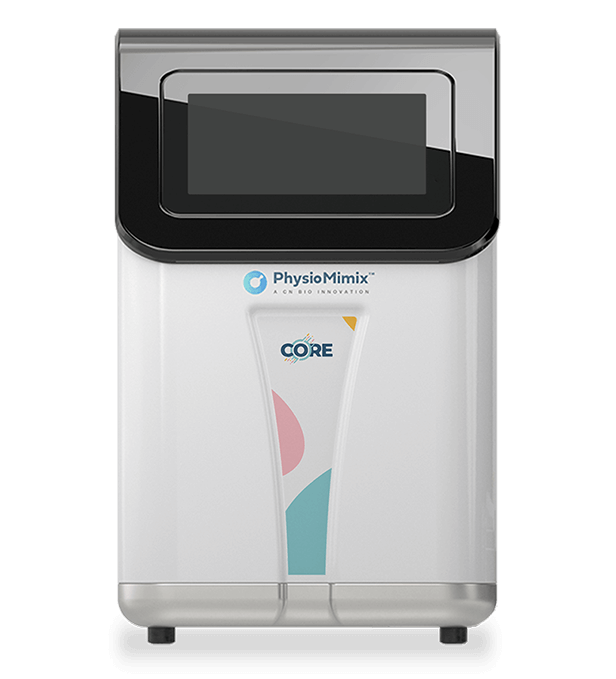
PhysioMimix Core

cnb1476_physiomimix-core_mark_mocks_system_v2
Learn more

Consumables

Multi-chip plates
3D validated cells
NASH-in-a-box
Learn more

Models

Single-organ models
- Liver-on-a-chip model
- Lung-on-a-chip model
Multi-organ models
- Gut/Liver-on-a-chip models

Support packages

PhysioMimix® support packages

Discover the applications


Investigate the validated core application areas that our PhysioMimix® products and services support

Learn more

Disease modeling

Metabolic dysfunction-associated steatohepatitis
Hepatitis B
Pulmonary infection
Learn more

Safety toxicology

Drug-induced liver injury
Immune-mediated liver injury
Learn more

ADME

Drug absorption
Drug metabolism
Drug bioavailability
Oligonucleotide delivery
Learn more

Studies as a service


Our team will work collaboratively with you to design a study around your research goals and generate actionable data within weeks

Learn more
icon-nash-1-150x150.png MASLD/MASH
icon-dili-tox-150x150.png Drug-induced liver injury
icon-adme-150x150.png ADME

MPS World Summit 2026

February 26, 2026

Event > Conference >

MPS World Summit 2026


Visit our PhysioMimix® Organ-on-a-chip lab.

Learn more about the most advanced in vitro models available

cnb1567 mps 2026 event logo v1 | MPS World Summit 2026
May 26th-29th 2026
Washington DC
Book a meeting at MPS

Visit us at MPS World Summit!


Visit our PhysioMimix® Organ-on-a-chip lab – Stand # (Coming Soon…)

Head to our stand for an exclusive, hands-on Organ-on-a-chip experience like no other!

Join us at our booth and discover the PhysioMimix portfolio! From the PhysioMimix® Core platform, validated protocols, to consumables, we have the tools to help you generate physiologically relevant data in vitro that improve confident decision making whilst minimizing animal use.

Easy to adopt, adapt and scale – PhysioMimix is OOC like no other!
Book a meeting at MPS World Summit 2026
PhysioMimix Core microphysiological system

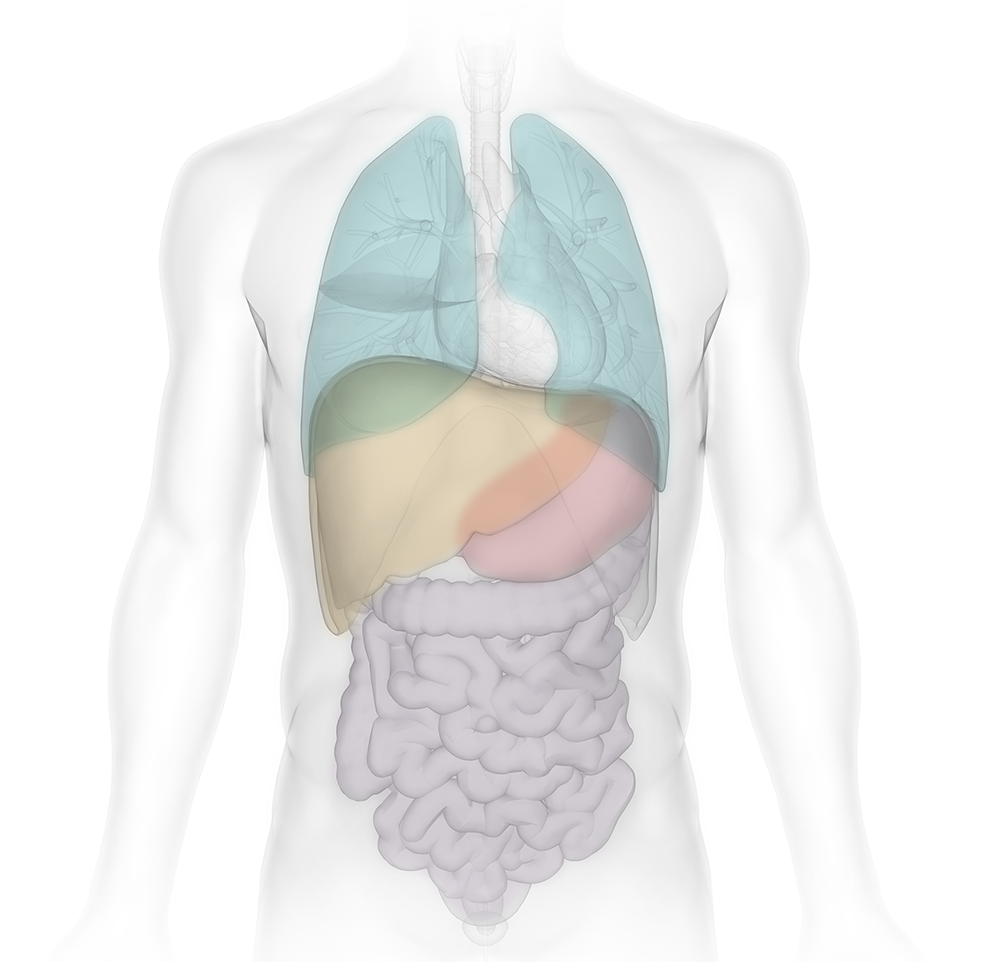
cn-bio_anoatomy_on-light

What’s New?

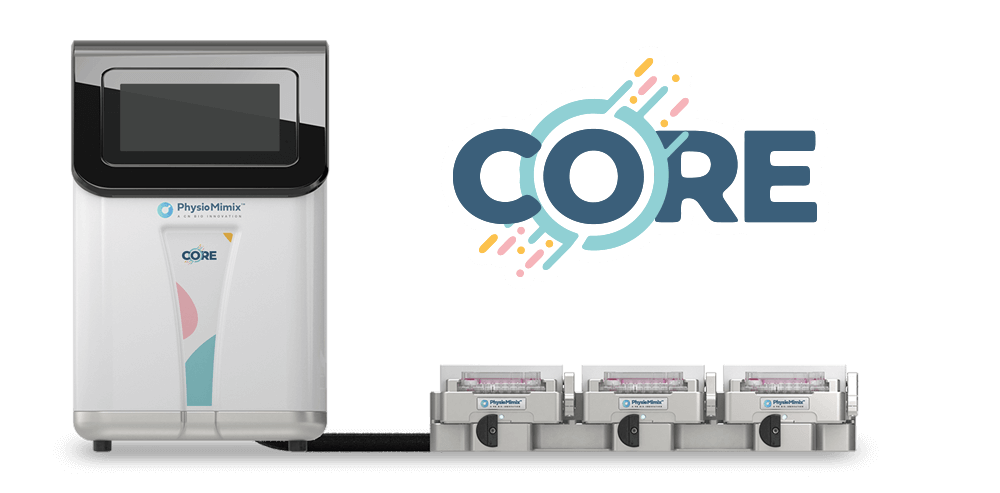
Explore the PhysioMimix® Core!

The only microphysiological system with validated performance across single-, multi-organ, and higher throughput configurations

The PhysioMimix Core offers a unified and flexible solution that’s easy to adopt, adapt and scale.

  • Ensures a simple start for immediate productivity
  • Offers flexibility to grow with your needs​
  • Matches immediate and future demand

News
cnb1439 3rs project page ad v1 | MPS World Summit 2026

3Rs project with FDA

Building Confidence in MPS for Regulatory Applications!  

CN Bio is participating in a 3Rs Collaborative-led project with the FDA to build confidence in Liver MPS for DILI

Learn more

Attend our exhibitor session​

Navigating Regulatory Change Together: Enhanced Translatability with MPS & In Silico

Join our lunchtime seminar to hear industry experts discuss how microphysiological systems (MPS) have rapidly transformed our ability to accurately replicate human physiology in the lab – providing predictive, human-relevant platforms for ADME, toxicology, and disease modelling studies. In parallel, advances in computational and in silico techniques are facilitating the simulation of biological processes at an unprecedented scale – integrating vast datasets to predict outcomes, optimize experiments, and accelerate translation. Together, these approaches offer a viable alternative to animal use, as cited in recent regulatory roadmaps to phase out animal testing in USA and UK – the clock is ticking!

This presentation highlights the latest developments from CN Bio and PhysioMimix MPS users, showcasing how integration of MPS and computational modeling enhances research outcomes. We further explore how in silico tools accelerate MPS adoption and model optimization, translating experimental data into human relevant predictions. The session also examines how MPS and in silico approaches can be deployed together across drug discovery and development to generate the most impactful translational datasets.

Finally, the seminar also features an interactive discussion on future direction, delving into visionary perspectives where human biology is recapitulated and simulated with ever-increasing fidelity to support the next generation of medicine development.

Key learnings will include practical applications for integrated MPS and computational modeling workflows, including:
• Use of machine learning for disease model optimization to enhance human translatability
• Application of machine learning tools to pre-optimize MPS assays to enhance predictability, and time and cost efficiency.
• Translation of MPS-derived pharmacokinetic (PK) parameter into clinical predictions using physiologically based pharmacokinetic (PBPK) modeling

Join the discussion and enjoy a complimentary lunch on us!

Date: Thursday 28 May

Time: 13:15 – 14:25

Room: CC 203A​

Presenters: TBC

Add to Calendar

Visit our poster presentations:

Title: TBC

Date:

Time:

Location:

Presenter:

More Info

Add to calendar

Translational Toxicology: Adapting Liver Microphysiological System for Cross-Species Evaluation of Hepatotoxicity Risk

Drug-induced liver injury (DILI) remains a leading cause of drug candidate attrition during development, underscoring the need for improved translational models that can predict human-specific toxicities. Traditional animal models, while informative for systemic toxicity, often fall short in forecasting human liver responses due to inherent interspecies differences. To address this translational gap, we leveraged the PhysioMimix® Organ-on-Chip (OOC) Core System to develop a robust DILI assay using primary hepatocytes from human, rat, and dog sources.
Methods
Using the PhysioMimix Core System, human, rat or dog hepatocytes were cultured as 3D liver microtissues under dynamic perfusion in the Liver-12 plate for up to 14 days, maintaining stable species-specific functionality (CYP activity, albumin, urea). A panel of six reference compounds (Troglitazone, Pioglitazone, Nefazodone, Buspirone, Tolcapone and Entacapone) recommended by the IQ MPS Consortium, including high-risk DILI agents and structural analogues with low human liability, was applied across a 7-point dosing regimen over four days. Functional in vitro and clinical biomarkers (albumin, urea, LDH, ALT) were monitored to assess hepatocellular health.
Results
The assay successfully captured known species-specific toxicities. For instance, nefazodone and troglitazone (DILI Rank 8) induced hepatotoxicity in human and rat models, while dog hepatocytes showed reduced sensitivity. Conversely, buspirone and entacapone exhibited minimal toxicity in animal models, though the human MPS detected subtle hepatotoxic signals at higher entacapone concentrations, highlighting its sensitivity to rare DILI events. Albumin consistently emerged as a sensitive cross-species marker, with dose-dependent decreases aligning with known toxic profiles.
Conclusions
These findings demonstrate the value of integrating human and animal liver MPS models to enhance cross-species interpretation and improve in vitro–in vivo extrapolation (IVIVE). The PhysioMimix system can be simply adapted to test multiple species in parallel to determine species-specific toxicity. As regulatory interest in MPS technologies grows, this approach offers a promising path to refine liver safety assessments, reduce reliance on and numbers of animal models used, and better predict human hepatotoxicity risks earlier in the drug development pipeline.

Presenter: Dr Emily Richardson

Add to calendar

Title: TBC

Date:

Time:

Location:

Presenter:

More Info

Add to calendar

Scaling Without Compromise: Liver MPS for Lead Optimization Screens to Investigative Toxicology

Drug-induced liver injury (DILI) remains the most common cause for acute liver failure in the USA and Europe and is a leading cause of attrition of compounds in drug development. Prediction of clinical safety is still a major hurdle in drug discovery and development, with many late-stage attrition events still occurring due to limited translatability of current in vitro or in vivo preclinical models. Microphysiological systems (MPS), otherwise known as organ-on-a-chip (OOC), provide a solution to this challenge by enabling the long-term culture and in-depth examination of highly human relevant liver microtissues. However, scaling and throughput of OOC have in the past been perceived as a challenge. Here, we present two solutions based on their different contexts of use. Firstly, a higher throughput approach, the PhysioMimix® Multi-chip Liver-48 plate can be applied within the lead optimization process for screening of compounds, up to 288 samples (or chips) per run. Secondly, due to its enhanced tissue size and sampling volume, the Liver-12 plate can further characterize DILI events at a deeper level and their associated mechanisms of toxicity through a wide range of liver-specific endpoints.
Methods
Using the PhysioMimix® Core System, primary human hepatocytes and Kupffer cells were cultured in 3D microtissues on engineered scaffolds in either the Liver-48 or Liver-12 plates under perfusion for eight days. The Liver-48 microtissues were subjected to 4-day exposure to two tool compounds recommended by the IQ MPS Consortium for DILI validation (troglitazone and pioglitazone) tested at seven concentrations alongside positive control (chlorpromazine) and vehicle control (0.1% DMSO). Each condition was tested in triplicate. For mechanistic studies, the Liver-12 microtissues were subjected to 10-day exposure to three tool compounds (diclofenac, troglitazone and pioglitazone). An equivalent dose to clinical concentration and 1.5x the Minimal Important Difference (MID) clinical concentration doses were tested alongside vehicle control (0.1% DMSO). Treatments were randomised across the plates and each condition tested in triplicate.
Results
Liver-48 plate microtissues were able to successfully differentiate the DILI risks of the tool compounds, using liver functionality (albumin, urea, ALT, AST) and viability (ATP) markers. The DILI profile of troglitazone was found to match those predicted by Liver-12 plate microtissues, demonstrating equivalence between the two plate types. The results of pioglitazone testing accurately predicted this compound to be safe. By assessing a range of test compounds recommended by the IQ MPS Consortium for DILI validation, the Liver-12 was able to correctly capture differing mechanisms of toxicity and mirror clinical outcomes. Oxidative stress, mitochondrial dysfunction, steatosis, dysregulation of bile acid synthesis or transport and inflammatory responses were investigated using a wide range of clinically relevant biomarkers.
Conclusions
OOC/MPS has long been considered a useful tool for better predicting human outcomes, however providing scalable throughput to meet lead optimization requirements and recoverable material at scale to enable biomarker detection sensitivity, plus deep mechanistic insights – has been a challenge. Here we demonstrate that the PhysioMimix Liver MPS can be scaled to enable specific contexts of use. By incorporating human-relevant insights into the earlier lead optimization phase of drug discovery using the Liver-48 plate facilitates the design of more refined pre-clinical studies. Conversely, when the context of use shifts from compounds screening to investigative toxicology, the Liver-12 DILI assay provides the optimal solution. Data-rich analyses from a wide range of clinically relevant biomarkers can be derived to make informed decisions to modify drug design and de-risk clinical progression of drug candidates. Together, this enables more efficient drug development and safer medicines in the future. Presenter:

Add to calendar​

Title: TBC

Date:

Time:

Location:

Presenter:

More Info

Add to calendar

Recapitulating Immune-Driven Hepatotoxicity Using a Liver Microphysiological Platform

With the April 2025 U.S. Food and Drug Administration (FDA) roadmap promoting New Approach Methodologies (NAMs) for regulatory testing of monoclonal antibodies (mAbs) and other drugs, there is a need for models with greater complexity and human relevance. For biologics such as mAbs, immune-mediated drug-induced liver injury (iDILI) remains a significant concern in drug development. Human-specific immune system interactions with new modalities, such as therapeutic antibodies, can lead to unpredictable hepatotoxicity, which often fail to be captured in traditional animal models and high-throughput cell line models, leading to poor translational outcomes and high attrition rates. The FDA-recognised PhysioMimix® DILI assay was modified to incorporate peripheral blood mononuclear cells (PBMCs) to address this with an immune-competent, human liver relevant MPS model. The model aims to enhance translational relevance and improve safety profiling in drug development pipelines.
Methods
Primary human hepatocytes were cultured under dynamic perfusion in Liver-12 plates by PhysioMimix Core to form 3D liver microtissues. The liver microtissues were analysed for functionality (CYP activity, albumin, urea) and clinically relevant injury markers (ALT, AST). Following four days of hepatocyte culture, HLA-matched PBMCs were added to the circulating media with the liver microtissues for a further four days and functionality assessed (cytokine profiling). Ipilimumab (anti-CTLA-4) or infliximab (anti-TNF-alpha) was dosed into the media of hepatocyte only and co-cultures for 48 hours and samples were taken at 1-, 4-, 8-, 24- and 48-hours post-dosing. The liver microtissues were evaluated for hepatotoxic responses while immune activation and inflammation was assessed by cytokine release.
Results
Immune cell interaction and recovery from the Liver-12 was first completed to determine the ability of the PBMC to transverse the microfluidic channels and scaffolds unhindered (60-70% recovery). Following initiation of co-culture, maintenance of liver microtissue functionality and stable immune phenotypes was demonstrated over four days of co-culture. Upon dosing with the mAbs in the co-culture model, immune-mediated hepatotoxicity was detected with significant elevation in LDH and ALT/AST, and reduction in the functional biomarkers, albumin and urea. Interestingly, significant cytokine increases were only seen in ipilimumab-treated conditions, aligning with clinical data which demonstrated a pro-inflammatory phenotype via activation of T-cells.
Conclusion
This proof-of-concept study using two clinically relevant monoclonal antibodies demonstrates the ability of the PhysioMimix DILI assay to predict immune-mediated hepatotoxicity. Future studies will look to further profile immune alterations and interactions with the liver microtissues. Together, this assay provides a human-specific solution to the assessment of hepatotoxicity of large molecules. The FDA’s endorsement of NAMs for investigational new drug (IND) applications marks a paradigm shift toward human-relevant, non-animal testing strategies, positioning the PhysioMimix® Core System as a pivotal tool for the future of immunotoxicity assessment and safer drug development. Presenter: Dr. Justina Then

Add to calendar​


Meet the CN Bio Team at MPS!

Paul-Brooks-CEO-Headshot

Paul Brooks

CEO

Dr. Paul Brooks joined CN Bio in 2022. He has over 25 years of experience in building businesses and leading high-performance research, product, marketing, and sales teams to develop and commercialize new biotechnology technologies globally for drug discovery, bioproduction and diagnostics.
Dr Brooks has held senior leadership positions in the USA and the UK, including Head of Business Operations and Managing Director of Horizon Discovery Ltd; Chief Commercial Officer and Executive Board member of Oxford Genetics Ltd; Head of Discovery Research Services at MilliporeSigma (Merck KGaA); and Global Marketing Manager at Sigma-Aldrich Corp. Dr Brooks has a BSc in Biochemistry from the University of Wales, a PhD in Molecular Biology from the University of Manchester Institute of Science and Technology (UMIST), and an MBA from the University of Nottingham Business School.

    Joe | MPS World Summit 2026

    Joe

    Director of Sales (Americas Region)

    Joe Parisi is a Commercial Leader with 14 years’ experience in the life science sector. Joe joined CN Bio as the Americas Director of Sales in December 2023. He comes to CN Bio with valuable startup experience most recently at IsoPlexis and Purigen Biosystems, where he was responsible for building commercial opportunities across the US West. He was previously Sales Director at PhenomeX (now Bruker Cellular Analysis), where he managed the proteomics team in the US West focusing on capital equipment sales for single-cell functional analysis. Joe graduated from the University of Illinois Champaign-Urbana with a BSc in Molecular and Cellular Biology.
      Anthony | MPS World Summit 2026

      Anthony

      Field Application Scientist (Americas Region)

      Dr. Anthony Berger is CN Bio’s US-based Field Application Scientist, providing support for the PhysioMimix® Organ-on-Chip benchtop platform. Anthony has an extensive research background in 3D cell culture, biomaterials, and microfluidics, focusing on how the microenvironment influences cellular decision-making. He is a proponent of complex 3D in vitro models and desires to decrease the barrier to entry of these technologies. Anthony received his BS from Indiana University (US), PhD from the University of Wisconsin, and completed a postdoctoral fellowship at Temple University.
        Gareth

        Gareth

        Biology Group Leader

        Dr. Gareth Guenigault leads the CN Bio CRS team, managing projects using our PhysiMimix® Core technology to better understand the bioavailability , efficacy, and toxicity of
        therapeutic compounds against diseases such as MASH. With a background in virology and innate immunology, he has always had an interest in using the relevant in vitro models to best reflect human disease. He has a PhD in immunology from
        Cardiff University and a BSc in molecular medicine form the University of Sussex.

          MPS World Summit 2026

          Book a meeting at MPS

          Speak to our experts

          Request a meeting with one of our OOC experts to see how our products and services can support your studies

          Request a meeting

          Footer

          CN Bio logo

          332 Cambridge Science Park, Milton Road
          Cambridge, CB4 0WN

          UK: +44 (0) 1223 737 941

          US: +1 415 523 4005

          Privacy | Cookies | Regulatory | Accessibility
          Website terms | Terms of sale

          Product Recycling

          ©2025 CN Bio Innovations Ltd
          Registered No. ‍06517359. VAT No. GB978184563

          Latest news

          • CN Bio to participate in 3Rs Collaborative-led project with FDA to build confidence in Liver MPS for DILI – now ISTAND accepted! January 25, 2026
          • Taking organoids to the next level January 14, 2026
          • UK plans to phase out animal testing faster in favor of alternative methods November 11, 2025
          Cyber Essentials Logo

          Modal Title