




Building Confidence in MPS for Regulatory Applications!
At the intersection of innovation, collaboration, and science lies an exciting new project led by the 3Rs Collaborative (3RsC) – and CN Bio is one of the collaborators. This effort brings together regulators, technology providers, end-users, and non-profits to advance the responsible use of microphysiological systems (MPS) in regulatory applications.
In partnership with 3RsC, the FDA Center for Drug Evaluation and Research (CDER), 9 commercial providers, 1 end-user, NIH-NICEATM, and C-Path, we are embarking on a project to evaluate the use of Liver MPS to detect Drug-induced liver injury (DILI). The goal is to assess variability across multiple platforms using the same experimental protocol, with the ultimate goal of enhancing confidence in the accuracy, reliability, and standardized characterization of these models.
🔍 Why this matters
This is more than a study. It’s a model for how different stakeholders such as regulators, developers, NIH and pharma end-users, can shape the future of drug development through the use of novel alternative methods. Our approach in this collaboration is focused on obtaining information that is human-relevant, data-rich, and aligned with the 3Rs.
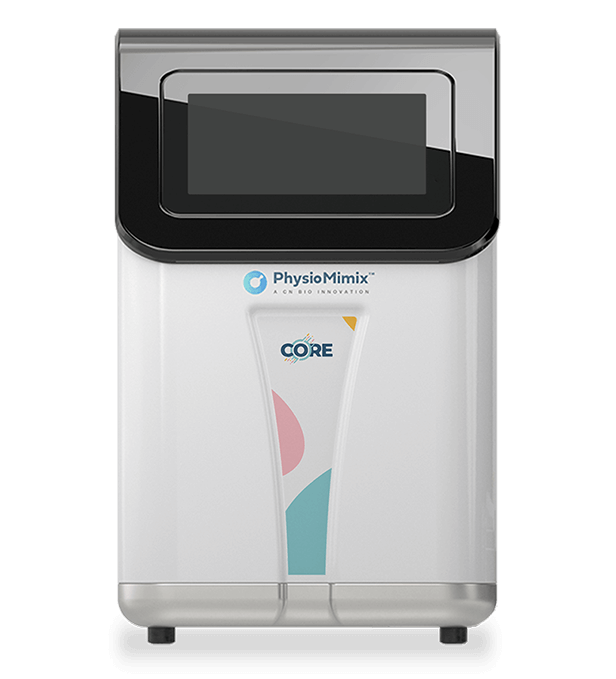
In January 2026, the project was accepted into the FDA’s ISTAND program—a major milestone for advancing human‑relevant, non‑animal technologies in drug development. For CN Bio, it means our PhysioMimix® Liver MPS and DILI assay is now directly contributing to shaping the future of regulatory science.
📈 What’s happening next & progress update
- Testing known hepatotoxicants & their controls across 9 unique, commercially available liver MPS platforms
- Using real-world protocols to reflect what regulators might see in real submissions
- Analyzing cross-platform data to inform best practices and future guidance
- Submitting a collaborative letter of intent to FDA’s Innovative Science & Technology Approaches for New Drugs (ISTAND) program to qualify MPS for a specific context of use – which was accepted in January 2026.
In response to the project being accepted into ISTAND, Dr Tom Kostrzewski, CSO at CN Bio said “It is fantastic to see the hard work of the consortium members paying off. The collaborative nature of the group has been essential for us to meet this important milestone and puts us in an excellent position to move forward with the FDA to fully qualify our DILI assays”
Status update: the 3RsC is analyzing data from testing known hepatotoxicants & their controls across 8 unique, commercially available liver MPS platforms. Once analyzed, they will disseminate the results into presentations and papers to be used to inform best practices and future guidance and submit a “process paper” describing their efforts in detail so others can use this as a template.
This is a first-of-its-kind, coordinated effort to harmonize innovation and good science, while keeping regulatory considerations in mind—and it’s just the beginning.
💡 The future of science is collaborative
It highlights scientific rigor, innovation, and ethical considerations. And it’s already underway. Look out for presentations at the Society of Toxicology and MPS World Summit meetings 2026 to find out more.
Participating end-user:
Merck & Co, Inc.
Participating model developers:
Axiom/LifeNet Health, BioIVT, CN Bio, DefiniGEN, InSphero, Lena Biosciences, Inc., PredictCan, TissUse, Xellar.
Click the links to find out more about our Liver MPS (also known as Liver-on-a-chip), DILI assays powered by PhysioMimix technology and our cross-species DILI Contract Research Services.