

Resource > Scientific publications >
Organ-on-chip applications in drug discovery: an end user perspective
Filed under: General OOC
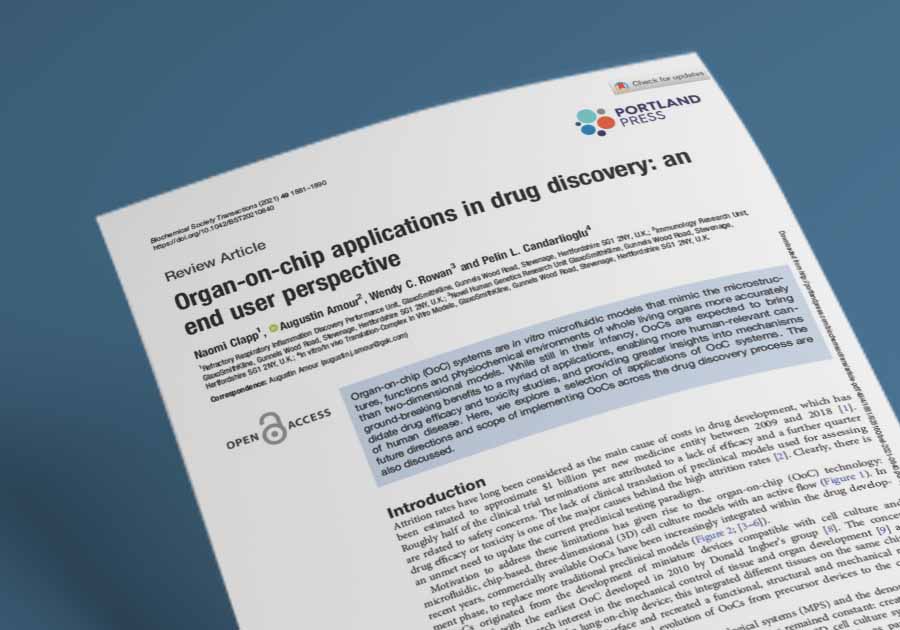
Summary
This 2021 Biochemical Society Transactions review by Naomi Clapp, Augustin Amour, Wendy C. Rowan, and Pelin L. Candarlioglu of GlaxoSmithKline sets out where organ on a chip (OoC) technology has been applied across drug discovery, written from the position of pharmaceutical end users rather than platform developers. It is a review article, so it presents no original data of its own. The authors work through the practical questions a drug discovery team faces when adopting the technology: whether OoC models reproduce in vivo conditions, what they have shown in safety and efficacy testing, how immune cells can be added, which chip materials cause problems, and what throughput, standardization, and regulatory acceptance would take.
Study facts at a glance
| Publication | Clapp N, Amour A, Rowan WC, Candarlioglu PL. Organ-on-chip applications in drug discovery: an end user perspective. Biochemical Society Transactions. 2021;49(4):1881-1890. |
| DOI | 10.1042/BST20210840 |
| Article type | Review article, open access under a Creative Commons Attribution 4.0 license. No original experimental data. |
| Author perspective | All four authors are GlaxoSmithKline scientists based in Stevenage, UK, writing as drug discovery end users of OoC technology. |
| Key themes | Replicating in vivo conditions, drug safety and efficacy assessment, immune cell incorporation, chip materials, throughput and automation, regulatory acceptance, and multi-organ combination. |
| Scope | Current applications of organ on a chip technology across the drug discovery process, and the barriers that still limit routine industrial use. |
| Main argument | OoC models can generate more human-relevant safety and efficacy data than conventional preclinical models, but wider adoption depends on higher throughput, better materials, standardized interfaces between platforms, and regulatory qualification. The authors also state plainly that systematic comparisons of OoC predictive power against current methods are lacking. |
Table of Contents
What this review is about?
The authors open with the economics. Bringing a new medicine to market was estimated to cost around $1 billion per new medicine entity between 2009 and 2018, and roughly half of clinical trial terminations are attributed to a lack of efficacy, with a further quarter related to safety. Preclinical models that fail to translate to humans are named as one of the major contributors to that attrition, which is the gap OoC technology is meant to address.
The review then settles the terminology, which is useful for anyone reading across this literature. The US Food and Drug Administration (FDA) treats OoC as a subcategory of microphysiological systems (MPS). An MPS is defined as an in vitro system built from cells isolated from tissues, organs, or organoids that recreates the physiological microenvironment. An OoC is defined as a miniaturized MPS engineered to produce or measure functional tissue units capable of modeling targeted organ-level responses. The two terms are often used interchangeably in practice, and the review treats them that way while noting the formal distinction.
From there, the article is organized around six practical themes: replicating in vivo conditions, evaluating drug safety and efficacy, incorporating immune cells, materials and scaffolding, increasing general uptake, and multi-organ combination in vitro.
Find out more about CN Bio organ-on-a-chip models here
What the review covers
Replicating in vivo conditions
The authors are candid that true clinical translatability is still a challenge and that convincing examples are limited. They point to tissue-specific environmental cues as one route forward: a duodenum intestine-chip study is cited in which cyclic stretch produced a gut model whose transcriptomic profile more closely resembled a gut tissue biopsy than the equivalent non-chip organoid. Continuous perfusion of oxygen and nutrients, with removal of metabolic waste, is what allows longer culture and more meaningful analysis.
Donor variability gets specific treatment. In a cited liver-on-chip study, inter-donor variability in metabolic clearance was predicted using albumin, urea, lactate dehydrogenase, and cytochrome P450 messenger RNA levels, and the correlation between predicted and in vivo clearance supported an in silico drug metabolism model of pharmacokinetic variability. The authors note the limits of that work as well: the donor number was low, and the model could not reproduce the variability of some clearance parameters. They expect higher throughput systems to allow larger donor panels.
Induced pluripotent stem cells (iPSCs) are covered as an alternative to primary cells, with the trade-offs stated: wider availability and amenability to genetic modification on one side, lengthy differentiation protocols and immature phenotypes on the other, illustrated by iPSC-derived cardiomyocytes that resemble fetal cells.
Evaluating drug safety and efficacy
The authors cite an analysis showing that only 48% of adverse drug reactions in humans are predicted by preclinical testing. Several worked examples follow. An immunocompetent liver-on-chip incorporating hepatocytes and non-parenchymal cells including Kupffer cells reproduced the metabolism and toxicity profile of diclofenac seen in humans but not in animal models, with toxicity driven by secondary metabolite formation. The same liver model later supported a viral infection study by maintaining 40-day functional stability. A vascularized bone marrow-on-chip developed with AstraZeneca supported differentiation of multiple hematopoietic lineages over four weeks and reproduced the clinical toxicity profile of the aurora B kinase inhibitor AZD2811, which allowed better tolerated dosing regimens to be investigated. A kidney-on-chip study traced the nephrotoxicity of cisplatin and cyclosporine to glucose accumulation, then tested that hypothesis against retrospective clinical data from 247 patients who received either drug alongside the glucose reabsorption inhibitor empagliflozin.
On efficacy, the review covers a lung-on-chip model of idiopathic pulmonary fibrosis used to study the effect of nintedanib on neo-vascularization, a liver-on-chip model of hepatitis B virus (HBV) infection in which primary human hepatocyte microtissues were maintained for at least 40 days so the viral life cycle could complete, and a non-alcoholic steatohepatitis (NASH) model in which hepatic stellate cells carrying the PNPLA3 I148M variant potentiated the disease state and obeticholic acid reduced inflammatory mediators, matching clinical trial observations. The HBV point matters because no adequate animal model exists, and the review notes that infection triggered innate immune responses consistent with patient outcomes at clinically relevant low viral titers.
The section ends with a caution the authors repeat elsewhere: systematic studies comparing the predictive power of available OoC models against current methods are lacking, so it is too early to give a definitive view on translational relevance.
Incorporating immune cells
Given the differences between human and animal immune systems, the authors treat immune competence as a priority. Examples include tumor-on-chip models used to track natural killer cell migration into glioblastoma tissue, an immune-competent model in which cell death attributable to tumor infiltrating lymphocytes responded to anti-PD-1, and a hepatocellular carcinoma model showing that T cell receptor-engineered T cells lost cytotoxicity under hypoxia. That last difference was beyond the sensitivity of the two-dimensional well plate assay run in parallel. Lymph node-on-chip work is presented as the next step, including a model in which cells self-organized into lymphoid follicles and responded to vaccination.
Materials and scaffolding
Polydimethylsiloxane (PDMS) is assessed on both sides. Its gas permeability supports oxygen supply to metabolically demanding cells such as hepatocytes, its flexibility allows cyclic strain in lung models, and its optical clarity supports on-chip staining and imaging. Against that, its hydrophobicity prevents cell adhesion without modification, it binds small molecules non-specifically and reduces free drug concentration, and uncured oligomers can leach into culture medium. Thermoplastics, hydrogels, glass, and polylactic acid are named as materials under investigation for the next generation of chips.
Increasing general uptake
The authors argue that lead optimization is the phase where OoC models could gain traction, if throughput and cost improve, because late preclinical candidate identification typically involves single-digit compound numbers where in vivo relevance takes priority. Standard microtiter plate footprints of 24, 96, or 384 wells would allow integration with automated readers and robotic handling already installed in pharmaceutical laboratories. On regulation, they note that OoC data are largely confined to internal study reports and are not being submitted with investigational new drug applications, and that qualification requires a defined test methodology, proven relevance, and evidence of reliability within a stated context of use. Dialogue through the European Medicines Agency Innovation Task Force, the FDA Center for Drug Evaluation and Research, and the National Center for Advancing Translational Sciences is presented as the route forward.
Multi-organ combination in vitro
Single-organ models are described as not always predictive of pharmacokinetic and safety properties. Cited examples include 4-, 7-, and 10-way organ models maintaining function for up to four weeks, a four-organ chip connecting gut, liver, kidney, and bone marrow used to predict cisplatin pharmacokinetics, a four-organ iPSC-derived system running on a universal medium for two weeks, and an eight-model combination coupled to automated culture and sampling. The authors expect targeted two to four organ combinations aimed at specific pharmacokinetic and pharmacodynamic or absorption, distribution, metabolism, and excretion (ADME) questions to be adopted first, with gut-liver combinations among the examples given. The bottlenecks they identify are chip design, tissue maturation, media compatibility across cell types, and the absence of standardization between platforms.
Why this review matters
The value of this article is in who wrote it. Four scientists inside a large pharmaceutical company set out what would need to be true for OoC models to become part of routine practice, and the list is concrete: throughput compatible with lead optimization, standard plate footprints, materials that do not absorb small molecules, media that support several cell types at once, connectors that let platforms talk to each other, and qualification data good enough for a regulatory submission.
Two judgments are worth carrying forward. The first is the authors’ repeated point that comparative validation data are missing, so claims about translational relevance remain unsettled. The second is their observation that OoC models have been most convincing where no good alternative exists: HBV infection, where animal models are unavailable, and drug-induced liver injury from secondary metabolites, where animal models give the wrong answer. That is a practical filter for teams deciding where to spend a first OoC budget, and it maps onto the assay areas CN Bio supports, including drug-induced liver injury, hepatitis B, and metabolic dysfunction-associated steatohepatitis.
Key takeaways
- The strongest cited safety and efficacy examples are liver models: diclofenac toxicity driven by secondary metabolites, HBV infection sustained for at least 40 days, and a NASH model responding to obeticholic acid in line with clinical trial data.
- The review is explicit that systematic comparisons of OoC predictive power against current preclinical methods are lacking, so translational relevance remains an open question.
- Adoption barriers are named specifically: throughput and cost at lead optimization, PDMS absorption and leaching, incompatible media across cell types, lack of standardization between platforms, and the absence of OoC data in regulatory submissions.
- Multi-organ work is judged promising but early. The authors expect targeted two to four organ combinations for pharmacokinetic and ADME questions to be adopted before larger body-on-chip systems.
Why the review is worth reading
This review is useful because it separates what OoC technology has already delivered from what the field still claims for it, and it does so from inside a company that has to make the adoption decision. For scientists selecting a preclinical model, it gives a defensible answer to two questions: which applications currently have published evidence behind them, and which practical constraints, meaning throughput, materials, media, and regulatory status, will determine whether an OoC assay can sit in an existing workflow. Teams comparing commercialized options will also find Figure 2 a quick orientation to what was available at the time of writing.
FAQ
It is a review article in Biochemical Society Transactions by four GlaxoSmithKline scientists. It surveys published organ-on-chip work in drug discovery and presents no original experimental results.
The review covers organ-on-chip and microphysiological systems across liver, lung, kidney, heart, gut, bone marrow, tumor, and lymph node models, applied to drug safety, efficacy, immune responses, and multi-organ pharmacokinetics.
The review argues that organ-on-chip technology can improve human-relevant prediction of drug safety and efficacy, while systematic validation against current preclinical methods, standardization, and regulatory acceptance are still needed.
Across the cited studies, organ-on-chip systems are compared with two-dimensional culture, static three-dimensional culture, conventional assays, and animal models.
It identifies missing comparative validation data, limited throughput for lead optimization, small molecule absorption and oligomer leaching from polydimethylsiloxane, difficulty finding media compatible with multiple cell types, a lack of standardization between platforms, and the absence of organ-on-chip data in regulatory submissions.
It gives an end user assessment of where organ-on-chip technology has delivered human-relevant results and what still limits routine adoption, which supports model selection and realistic planning for preclinical use.
Full citation
Related products and services
Contract research services
Discover how to utilize our cross-species models to inform next-step decision making via our DILI in vitro Contract Research Services here.
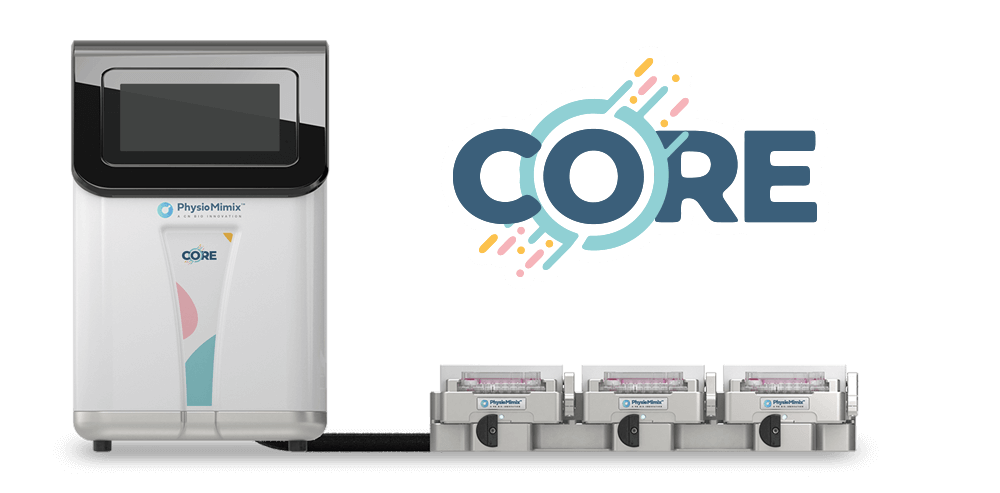
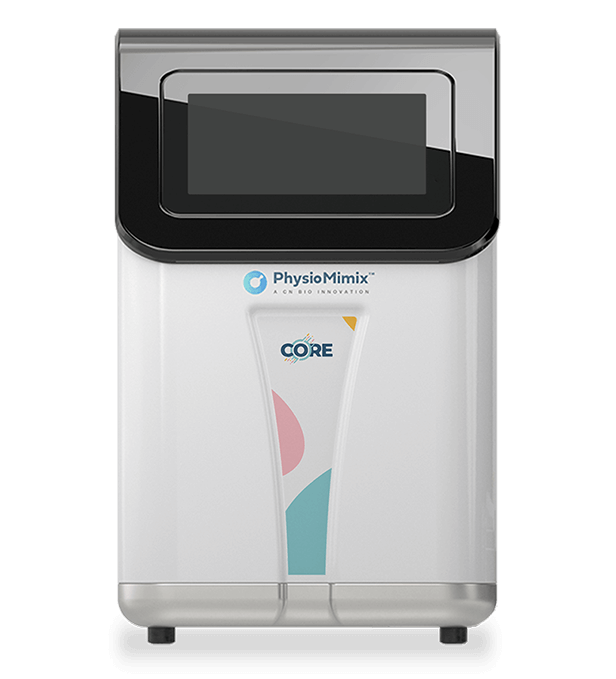
Add PhysioMimix Core in your lab
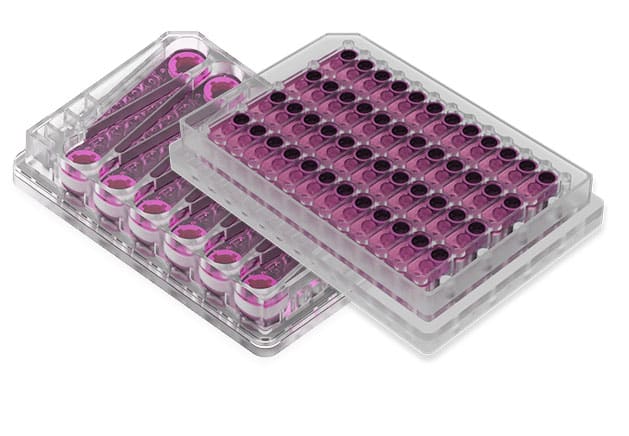
To develop your own cross-species Liver MPS models, you will need: