


• Skip to main content
  • Skip to footer
UK Plans to phase out animal testing UK Plans to phase out animal testing
  • About us
  • News
  • Events
  • Careers
cn-bio-organ-on-a-chip-logo
  • Applications
    • Disease modeling
    • Safety toxicology
    • ADME
  • Services
    • Non-Alcoholic Steatohepatitis
    • Drug-Induced Liver Injury
    • ADME
  • Products
    • PhysioMimix® Core Microphysiological System
    • Consumables
      • PhysioMimix® Multi-chip plates
      • 3D validated cells
    • Organ-on-a-chip models
    • Gut/Liver-on-a-chip
    • Lung-on-a-chip
    • Support packages
  • Technology
  • Resources
  • Company
    • About us
    • Events
    • News
    • Careers in Biotech
  • Contact us

Discover the applications


Investigate the validated core application areas that our PhysioMimix® products and services support

Learn more

Disease modeling

Metabolic dysfunction-associated steatohepatitis
Hepatitis B
Pulmonary infection
Learn more

Safety toxicology

Drug-induced liver injury
Immune-mediated liver injury
Learn more

ADME

Drug absorption
Drug metabolism
Drug bioavailability
Oligonucleotide delivery
Learn more

Studies as a service


Our team will work collaboratively with you to design a study around your research goals and generate actionable data within weeks

Learn more
icon-nash-1-150x150.png MASLD/MASH
icon-dili-tox-150x150.png Drug-induced liver injury
icon-adme-150x150.png ADME

Explore our solutions


PhysioMimix® is a suite of hardware, consumables and assay protocols that enable you to recreate complex human biology and accurately predict human drug responses.

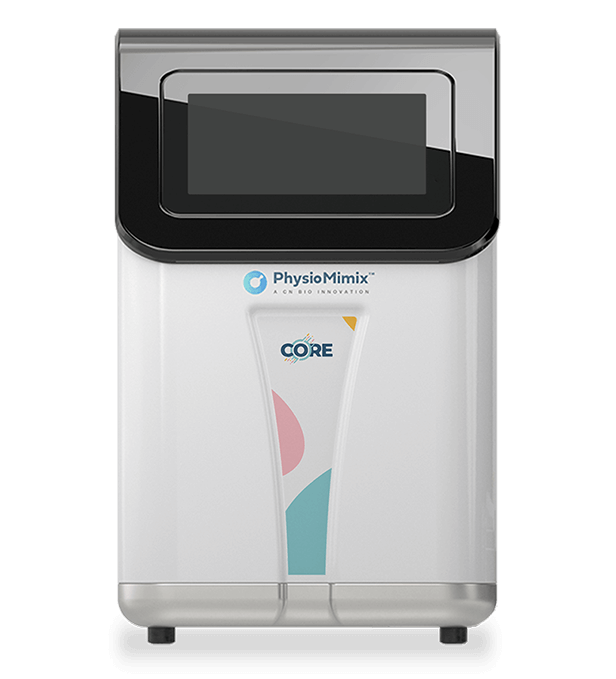
PhysioMimix Core

cnb1476_physiomimix-core_mark_mocks_system_v2
Learn more

Consumables

Multi-chip plates
3D validated cells
Learn more

Models

Single-organ models
- Liver-on-a-chip model
- Lung-on-a-chip model
Multi-organ models
- Gut/Liver-on-a-chip models

Support packages

PhysioMimix® support packages

February 26, 2026

Event > Conference >

MPS World Summit 2026


Discover how MPS generates human mechanistic data you can act on to de-risk lead candidate decisions

cnb1567 mps 2026 event logo v1 | MPS World Summit 2026
May 26th-29th 2026
Washington DC, USA
Book a meeting at MPS

Where to find us at the MPS World Summit!


Visit our PhysioMimix® Organ-on-a-chip lab – Stand # 323

Head to our stand for an exclusive, hands-on Organ-on-a-chip experience!

Join us at our booth to discover how MPS generates human mechanistic data you can act on to de-risk lead candidate decisions.

We have the tools to enable you to make earlier and more confident go/no-go decision-making within ADME, safety toxicology and disease modeling contexts of use (CoU).

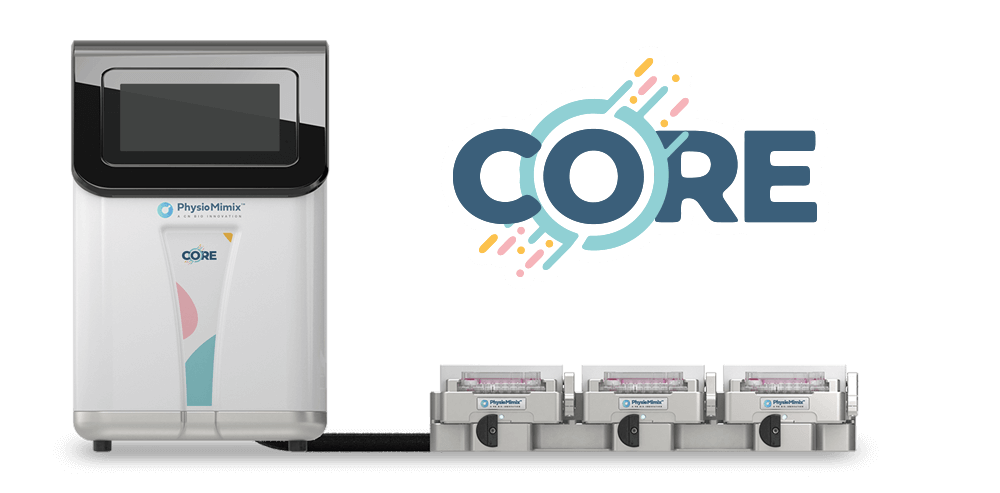
So, let’s change the game, together with a platform like no other. Meet the new easy to adopt, adapt and scale MPS – PhysioMimix® Core. Interact with its Multi-chip consumables plates and explore our range of validated protocols.

Visit us to learn how to enhance data translatability, optimize in vivo study design, and support confident preclinical decision‑making using more predictive, human‑relevant approaches that are in line with regulatory roadmaps to reduce animal testing.
Book a meeting at MPS World Summit 2026
PhysioMimix Core microphysiological system

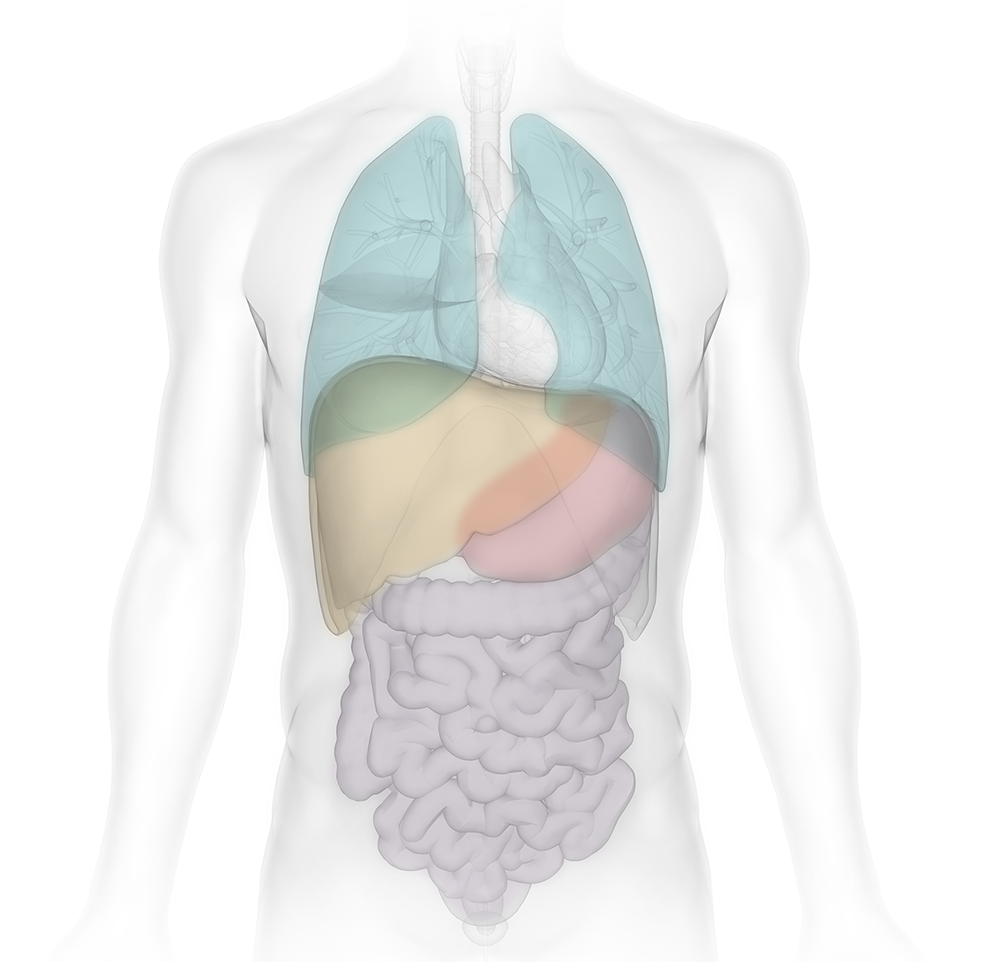
cn-bio_anoatomy_on-light

What’s New?

Explore the PhysioMimix® Core!

The only microphysiological system that’s easy to adopt, adapt and scale right away.

Validated for single-, multi-organ, and higher throughput configurations, PhysioMimix Core offers a unified and flexible solution that:

  • Ensures a simple start for immediate productivity
  • Offers flexibility to grow with your needs​
  • Matches immediate and future demand
  • Is validated for disease modeling, safety toxicology and ADME CoU
  • Can also be accessed via our Contract Research Services

News

cnb1439 3rs project page ad v1 | MPS World Summit 2026

3Rs project with FDA

Building Confidence in MPS for Regulatory Applications!  

CN Bio is participating in a 3Rs Collaborative-led project with the FDA to build confidence in Liver MPS for DILI that is now ISTAND-accepted!

Learn more

Attend our exhibitor session​

Navigating Regulatory Change Together: Enhanced Translatability with MPS & In Silico

Join our lunchtime seminar to hear industry experts discuss how microphysiological systems (MPS) have rapidly transformed our ability to accurately replicate human physiology in the lab – providing more predictive platforms for ADME, toxicology, and disease modelling. 

In parallel, advances in computational and in silico techniques are facilitating the simulation of biological processes at an unprecedented scale – integrating datasets to predict outcomes, optimize experiments, and accelerate translational research. Together, these approaches offer a viable approach to reduce reliance on animal use, as cited in recent USA and UK regulatory roadmaps to phase out animal testing – the clock is ticking! 

This presentation highlights latest developments from CN Bio and PhysioMimix MPS users, featuring speakers from Novo Nordisk (new modalities/efficacy), BMS (hepatotoxicity testing) and CN Bio (accelerating MPS adoption and translating experimental data with computational modeling). 

Finally, the seminar also features an interactive discussion on future direction, delving into visionary perspectives where human biology is recapitulated and simulated with ever-increasing fidelity to support the next generation of medicine development. 

Key learnings include:

  • Pharma insights into the value of MPS workflow adoption  
  • Application of existing data to pre-optimize MPS assays to enhance predictability, time and cost efficiency. 
  • Translation of MPS-derived pharmacokinetic (PK) parameters using mechanistic modeling. 

Join the discussion and enjoy a complimentary lunch on us!

Date: Thursday 28 May

Time: 13:15 – 14:25

Room: CC 203A​

Presenters:

Dr. Gareth Guinegault (CN Bio)

Customer Speaker:

Dr. Dennis McDuffie (Novo Nordisk)

Dr. Rhiannon Hardwick (Bristol Myers Squibb)

Add to Calendar

Visit our poster presentation:

Maximizing data value in MPS ADME experiments using in silico modeling

Date: 27 May 2026, Wednesday

Time: 9:30 – 11:00

Location: CC Hall D

Abstract No: 419

Poster No: 272

Presenter: Dr Morné Van Wyk

More Info

Modal Title

Maximizing data value in MPS ADME experiments using In Silico modeling

Microphysiological systems (MPS) are increasingly being used to generate human-relevant ADME data, but experimental design is often constrained by limited working volumes, cost, dosing strategies, and in the context of multi-organ systems capturing the kinetics of combined process like absorption and metabolism. To address this and maximize the cost efficiency of MPS-based experiments, we have developed a computational workflow to plan PhysioMimix® ADME studies by combining mechanistic simulations and information-based design.

We designed an application using MATLAB® which simulates compound transport and metabolism across compartments in PhysioMimix® plates using ordinary differential equations (ODEs). The application predicts MPS concentration-time profiles from preclinical parameters, allowing users to make informed decisions about dosing schedules and concentrations.

Optimal sampling times are determined by a machine learning optimizer using an E-optimal objective function [1]. E-optimality ensures that poorly estimated parameter combinations are as well identified as possible. To address uncertainty in input parameters we utilize Monte Carlo simulations, drawing parameters from a uniform distribution around nominal values. Aggregating the information metrics across these simulations yields robust sampling recommendations that reflect the plausible variability in the parameters.

The optimized sampling schedule output by the application was evaluated on 20 theoretical compounds spanning a range of permeabilities, efflux ratios and clearance rates. Compared to the naïve case, where sampling times were evenly spaced, we found an increase in parameter confidence. As expected, when absorption and clearance were fast, earlier timepoints were favored. However, when fast and slow dynamics were combined, the optimal sampling times were distributed to capture both dynamic regimes. This highlights the benefit of using optimized sampling times that adapt to a compound’s kinetic profile, allowing us to capture data for different parameters from a single experiment.

In summary, this workflow uses In Silico modeling to support decisions in MPS ADME planning, reducing trial-and-error and increasing confidence in human parameter estimation from limited, high-value datasets. Ultimately, use of the application lowers the experimental burden and cost for end users by enabling more targeted and efficient MPS study design.

References Manesso, E., Sridharan, S., and Gunawan, R. (2017). Processes 5, 63-78. doi:10.3390/pr5040063

Presenters: Morné Van Wyk

Validation of a high-throughput MPS for 3D culturing of primary hepatocytes

Date: 27 May 2026, Wednesday

Time: 9:30 – 11:00

Location: CC Hall D

Abstract No: 506

Poster No: 144

Presenter: Dr. Daniel Carney

More Info

Modal Title

Validation of a high-throughput MPS for 3D culturing of primary hepatocytes

The uptake of, and demands placed upon, microphysiological systems within a broadening range of fields is increasing at an ever-accelerating pace. Increasing experimental throughput, whilst maintaining consistency and reliability, is critical in supporting the expanding role this technology is playing in the space between conventional 2D cell culture and in vivo studies. CN Bio’s PhysioMimix®  System has been used in many laboratories to recreate organ-specific microenvironments in which 3D cell cultures are continually perfused with media by means of pneumatically-driven pump systems, allowing for extended study of viable, functional tissues.In this study we present the development of a higher-through MPS plate, Liver-48, for the provision of a physiologically relevant environment for the 3D culturing of primary liver cells that shows great equivalence to that of the well-established, and widely-adopted, Liver-12 plate, but with an increased experimental capacity within the same footprint. By miniaturisation of Liver-12’s key features, whilst retaining key cell-adjunct architecture, the Liver-48 can support the reliable pre-existing microenvironment with a fourfold increase in experimental replicants, all without necessitating additional laboratory space.By utilising thermal mass flow measurement we show that microfluidic flow conditions are well-controlled and consistent both across and between Liver-48 plates. Performance is validated by extended culturing of primary human hepatocytes from multiple donors within the plate, assessing tissue health and function by soluble biomarker analysis, and gaining further confirmation from endpoint imaging and analysis following the experiment’s conclusion. From these data we show a low level of variance in the fluidic environment provided to  hepatocyte cultures, resulting in consistent culturing of primary cells and a low distribution of analytical data. We are able to show that performance is translatable from the standard Liver-12 plate to the new Liver-48, but with a far richer dataset able to support more complex and reliable experimental matrices.Both the physical and biological validation steps demonstrate that the Liver-48 plate maintains a common environment with the prevalent Liver-12, resulting in well-maintained hepatocyte viability and functionality. The increased number of wells per plate results in a fourfold expansion of data points per experiment, allowing for facile scalability of existing assays.

Recapitulating immune-driven hepatotoxicity using a liver microphysiological platform

Date: 28 May 2026, Thursday

Time: 16:00 – 17:30

Location: CC Hall D

Abstract No: 836

Poster No: 361

Presenter: Dr. Gareth Guenigault

More info

Modal Title

Recapitulating Immune-Driven Hepatotoxicity Using a Liver Microphysiological Platform

Background

With the April 2025 U.S. Food and Drug Administration (FDA) roadmap promoting New Approach Methodologies (NAMs) for regulatory testing of monoclonal antibodies (mAbs) and other drugs, there is a need for models with greater complexity and human relevance. For biologics such as mAbs, immune-mediated drug-induced liver injury (iDILI) remains a significant concern in drug development. Human-specific immune system interactions with new modalities, such as therapeutic antibodies, can lead to unpredictable hepatotoxicity, which often fail to be captured in traditional animal models and high-throughput cell line models, leading to poor translational outcomes and high attrition rates. The FDA-recognised PhysioMimix® DILI assay was modified to incorporate peripheral blood mononuclear cells (PBMCs) to address this with an immune-competent, human liver relevant MPS model. The model aims to enhance translational relevance and improve safety profiling in drug development pipelines.

Methods

Primary human hepatocytes were cultured under dynamic perfusion in Liver-12 plates by PhysioMimix Core to form 3D liver microtissues. The liver microtissues were analysed for functionality (CYP activity, albumin, urea) and clinically relevant injury markers (ALT, AST). Following four days of hepatocyte culture, HLA-matched PBMCs were added to the circulating media with the liver microtissues for a further four days and functionality assessed (cytokine profiling). Ipilimumab (anti-CTLA-4) or infliximab (anti-TNF-alpha) was dosed into the media of hepatocyte only and co-cultures for 48 hours and samples were taken at 1-, 4-, 8-, 24- and 48-hours post-dosing. The liver microtissues were evaluated for hepatotoxic responses while immune activation and inflammation was assessed by cytokine release.

Results

Immune cell interaction and recovery from the Liver-12 was first completed to determine the ability of the PBMC to transverse the microfluidic channels and scaffolds unhindered (60-70% recovery). Following initiation of co-culture, maintenance of liver microtissue functionality and stable immune phenotypes was demonstrated over four days of co-culture. Upon dosing with the mAbs in the co-culture model, immune-mediated hepatotoxicity was detected with significant elevation in LDH and ALT/AST, and reduction in the functional biomarkers, albumin and urea. Interestingly, significant cytokine

increases were only seen in ipilimumab-treated conditions, aligning with clinical data which demonstrated a pro-inflammatory phenotype via activation of T-cells.

Conclusion

This proof-of-concept study using two clinically relevant monoclonal antibodies demonstrates the ability of the PhysioMimix DILI assay to predict immune-mediated hepatotoxicity. Future studies will look to further profile immune alterations and interactions with the liver microtissues. Together, this assay provides a human-specific solution to the assessment of hepatotoxicity of large molecules. The FDA’s endorsement of NAMs for investigational new drug (IND) applications marks a paradigm shift toward human-relevant, non-animal testing strategies, positioning the PhysioMimix® Core System as a pivotal tool for the future of immunotoxicity assessment and safer drug development.


Meet the CN Bio Team at MPS!

Paul-Brooks-CEO-Headshot

Paul Brooks

CEO

Dr. Paul Brooks joined CN Bio in 2022. He has over 25 years of experience in building businesses and leading high-performance research, product, marketing, and sales teams to develop and commercialize new biotechnology technologies globally for drug discovery, bioproduction and diagnostics.
Dr Brooks has held senior leadership positions in the USA and the UK, including Head of Business Operations and Managing Director of Horizon Discovery Ltd; Chief Commercial Officer and Executive Board member of Oxford Genetics Ltd; Head of Discovery Research Services at MilliporeSigma (Merck KGaA); and Global Marketing Manager at Sigma-Aldrich Corp. Dr Brooks has a BSc in Biochemistry from the University of Wales, a PhD in Molecular Biology from the University of Manchester Institute of Science and Technology (UMIST), and an MBA from the University of Nottingham Business School.

    Joe | MPS World Summit 2026

    Joe

    Director of Sales (Americas Region)

    Joe Parisi is a Commercial Leader with 14 years’ experience in the life science sector. Joe joined CN Bio as the Americas Director of Sales in December 2023. He comes to CN Bio with valuable startup experience most recently at IsoPlexis and Purigen Biosystems, where he was responsible for building commercial opportunities across the US West. He was previously Sales Director at PhenomeX (now Bruker Cellular Analysis), where he managed the proteomics team in the US West focusing on capital equipment sales for single-cell functional analysis. Joe graduated from the University of Illinois Champaign-Urbana with a BSc in Molecular and Cellular Biology.
      Anthony | MPS World Summit 2026

      Anthony

      Field Application Scientist (Americas Region)

      Dr. Anthony Berger is CN Bio’s US-based Field Application Scientist, providing support for the PhysioMimix® Organ-on-Chip benchtop platform. Anthony has an extensive research background in 3D cell culture, biomaterials, and microfluidics, focusing on how the microenvironment influences cellular decision-making. He is a proponent of complex 3D in vitro models and desires to decrease the barrier to entry of these technologies. Anthony received his BS from Indiana University (US), PhD from the University of Wisconsin, and completed a postdoctoral fellowship at Temple University.
        Gareth

        Gareth

        Biology Group Leader

        Dr. Gareth Guenigault leads the CN Bio CRS team, managing projects using our PhysiMimix® Core technology to better understand the bioavailability , efficacy, and toxicity of
        therapeutic compounds against diseases such as MASH. With a background in virology and innate immunology, he has always had an interest in using the relevant in vitro models to best reflect human disease. He has a PhD in immunology from
        Cardiff University and a BSc in molecular medicine form the University of Sussex.
          Morne BW | MPS World Summit 2026

          Morné

          Senior Computational Scientist

          As a Senior Computational Scientist, Dr. Morné Van Wyk is involved in building mathematical models and tools to analyse Organ-on-chip experiments. Morné completed his PhD in biochemistry at the University of Stellenbosch, South Africa, where he focused on computational cell biology and systems biology.
            DanC 1 | MPS World Summit 2026

            Daniel

            Principal Engineer

            Dr. Daniel Carney is Principal Engineer at CN Bio, leading a team developing and improving the best-in-class PhysioMimix® MPS to provide robust, physiologically relevant environments for 3D cell culturing. He has over 20 years of experience in commercial research and development working in both small start-ups and larger companies in a range of fields including pharmaceuticals, in vitro diagnostic kits, oilfield materials, next-generation sequencing, and medical devices. Daniel holds an MChem in Chemistry and a PhD in Inorganic Materials Chemistry, both from the University of Manchester.
              Faheem BW | MPS World Summit 2026

              Faheem

              Senior Scientific Writer

              Dr. Faheem Patel is a Senior Scientific Writer at CN Bio, where he works within the marketing team to translate complex microphysiological systems research into clear, scientifically robust content for global audiences. His work supports the adoption of human-relevant in vitro models across drug discovery and development.
              Faheem brings a PhD background and extensive experience in scientific publishing, where he has led journal development, advised at board level, and championed open science initiatives aligned with commercial strategy. He is recognised for combining editorial expertise with strategic insight to enhance the visibility, impact, and accessibility of high-value research.
              An accomplished communicator and relationship builder, Faheem has a strong track record in content development, stakeholder engagement, and identifying opportunities to position innovative science effectively. He is known for his ability to bridge scientific rigour and commercial objectives, delivering content that resonates with both technical and business audiences.

                MPS World Summit 2026

                Book a meeting at MPS

                Speak to our experts

                Request a meeting with one of our OOC experts to see how our products and services can support your studies

                Request a meeting

                Footer

                CN Bio logo

                332 Cambridge Science Park, Milton Road
                Cambridge, CB4 0WN

                UK: +44 (0) 1223 737 941

                US: +1 415 523 4005

                Privacy | Cookies | Regulatory | Accessibility
                Website terms | Terms of sale

                Product Recycling

                ©2025 CN Bio Innovations Ltd
                Registered No. ‍06517359. VAT No. GB978184563

                Latest news

                • CN Bio Participating in a New Critical Path Institute Coalition of New Approach Methodologies Developers (NAMs-DC) to Support Advancement in Drug Development May 20, 2026
                • Do MHRA and FDA guidelines on non-animal methods in drug development align? March 27, 2026
                • CN Bio to participate in 3Rs Collaborative-led project with FDA to build confidence in Liver MPS for DILI – now ISTAND accepted! January 25, 2026
                Cyber Essentials Logo

                Modal Title