

• Skip to main content
  • Skip to footer
UK Plans to phase out animal testing cnb1662_ec-reg-news_navigation-ad_v2
  • About us
  • News
  • Events
  • Careers
cn-bio-organ-on-a-chip-logo
  • Applications
    • Disease modeling
    • Safety toxicology
    • ADME
  • Services
    • Non-Alcoholic Steatohepatitis
    • Drug-Induced Liver Injury
    • ADME
  • Products
    • PhysioMimix® Core Microphysiological System
    • Consumables
      • PhysioMimix® Multi-chip plates
      • 3D validated cells
    • Organ-on-a-chip models
    • Gut/Liver-on-a-chip
    • Lung-on-a-chip
    • Support packages
  • Technology
  • Resources
  • Company
    • About us
    • Events
    • News
    • Careers in Biotech
  • Contact us

Discover the applications


Investigate the validated core application areas that our PhysioMimix® products and services support

Learn more

Disease modeling

Metabolic dysfunction-associated steatohepatitis
Hepatitis B
Pulmonary infection
Learn more

Safety toxicology

Drug-induced liver injury
Immune-mediated liver injury
Learn more

ADME

Drug absorption
Drug metabolism
Drug bioavailability
Oligonucleotide delivery
Learn more

Studies as a service


Our team will work collaboratively with you to design a study around your research goals and generate actionable data within weeks

Learn more
icon-nash-1-150x150.png MASLD/MASH
icon-dili-tox-150x150.png Drug-induced liver injury
icon-adme-150x150.png ADME

Explore our solutions


PhysioMimix® is a suite of hardware, consumables and assay protocols that enable you to recreate complex human biology and accurately predict human drug responses.

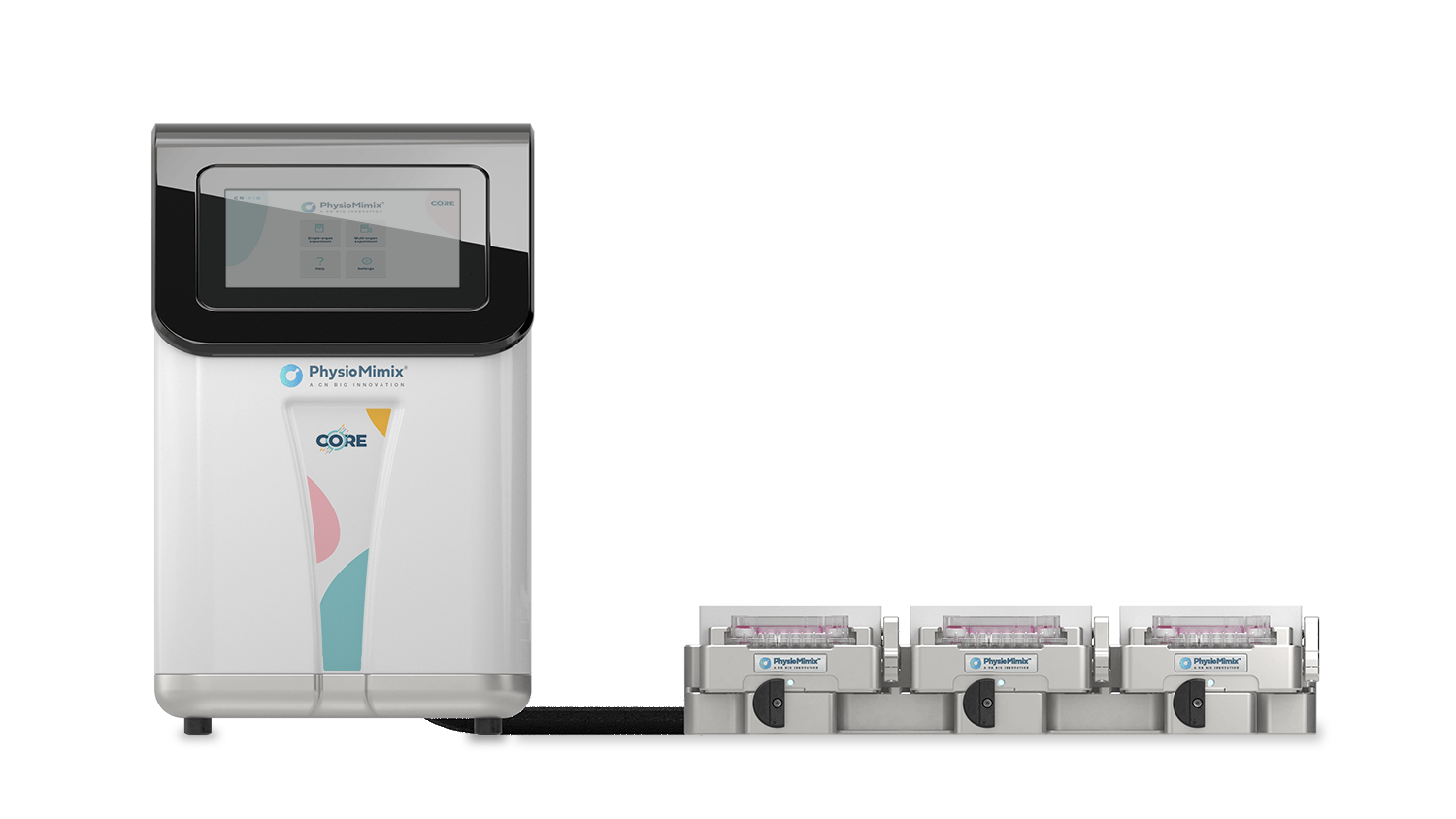
PhysioMimix Core

cnb1476_physiomimix-core_mark_mocks_system_v2
Learn more

Consumables

Multi-chip plates
3D validated cells
Learn more

Models

Single-organ models
- Liver-on-a-chip model
- Lung-on-a-chip model
Multi-organ models
- Gut/Liver-on-a-chip models

Support packages

PhysioMimix® support packages

May 29, 2026

Event > Conference >

23rd International Congress of the European Society of Toxicology In Vitro (ESTIV 2026)


Centered around the inspiring theme, “Ensuring Safety, Advancing Science: Bridging to the Future with NAMs” the 23rd International Congress of the European Society of Toxicology In Vitro (ESTIV 2026) aims to explore the transformative impact of New Approach Methodologies (NAMs) in ensuring safety, promoting innovation, and shaping the future of toxicology.
cnb1614 estiv26 event logo v1 | ESTIV 2026
29 June - 2 July, 2026
Maastricht, Netherlands
Book a meeting at ESTIV 2026

Visit us at ESTIV- Stand # 1

Join us at our booth to discover how MPS generates human mechanistic data you can act on to de-risk lead candidate decisions.

We have the tools to enable you to make earlier and more confident go/no-go decision-making within ADME, safety toxicology and disease modeling contexts of use (CoU).

So, let’s change the game, together with a platform like no other. Meet the new easy to adopt, adapt and scale microphysiological system (MPS)– PhysioMimix® Core. Interact with its Multi-chip consumables plates and explore our range of validated protocols.

Visit us to learn how to enhance data translatability, optimize in vivo study design, and support confident preclinical decision‑making using more predictive, human‑relevant approaches that are in line with regulatory roadmaps to reduce animal testing.
Book a meeting at ESTIV 2026
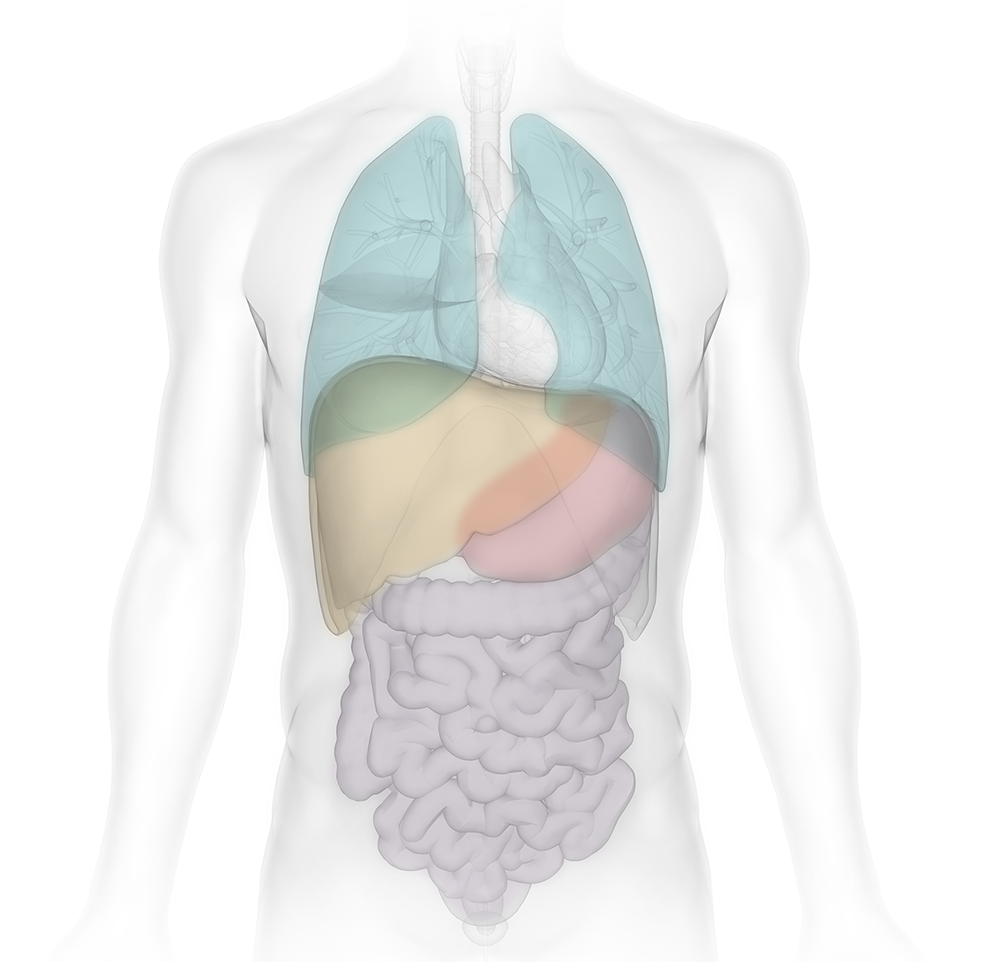
cn-bio_anoatomy_on-light

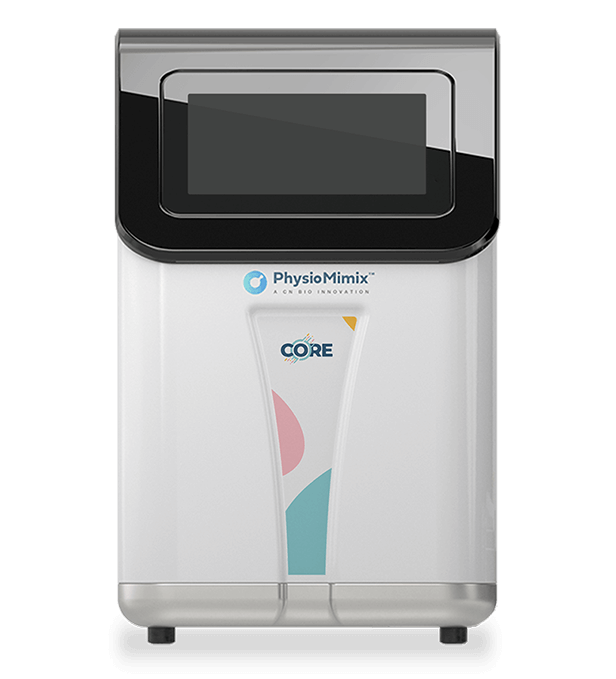
physiomimix core front 1 | ESTIV 2026

What’s New?

Explore the PhysioMimix® Core!

The only microphysiological system that’s easy to adopt, adapt and scale right away.

Validated for single-, multi-organ, and higher throughput configurations, PhysioMimix Core offers a unified and flexible solution that:

  • Ensures a simple start for immediate productivity
  • Offers flexibility to grow with your needs​
  • Matches immediate and future demand
  • Is validated for disease modeling, safety toxicology and ADME CoU

Can also be accessed via our Contract Research Services

Find Out More

News

cnb1439 3rs project page ad v1 | ESTIV 2026

3RsC project with FDA

Building confidence in Liver MPS for regulatory decision making: The 3Rs Collaborative & FDA-CDER’s cross-platform DILI project

CN Bio is participating in a 3Rs Collaborative-led project with the FDA to build confidence in Liver MPs for DILI – Now ISTAND accepted

Learn more

Attend our sponsored session:

Building regulatory confidence with immune competent MPS for toxicity assessments

The U.S. Food and Drug Administration’s (FDA’s) 2025 roadmap to reduce reliance on animal testing has accelerated the adoption of New Approach Methodologies (NAMs) that are robust, human‑relevant, and fit for regulatory decision‑making. Central to this transition is the need for qualified microphysiological systems (MPS) with clearly defined contexts of use and demonstrated predictive performance.

In collaboration with the 3Rs Collaborative, FDA‑CDER, and NIH‑NIEHS, CN Bio is actively contributing to a cross‑platform regulatory evaluation of commercial liver MPS that has subsequently been accepted into the FDA’s ISTAND program. This blinded, multi‑platform study included eight liver MPS testing eight matched hepatotoxic and non‑hepatotoxic compounds dosed across clinically relevant exposure ranges. In the PhysioMimix system, continuously perfused, primary human liver microtissue system were assessed for liver injury, function, and metabolic competence over extended dosing, with all raw data independently analyzed by the central project team to support transparent, standardized comparison. This initiative provides a critical framework for building regulatory confidence and advancing MPS qualification for drug‑induced liver injury (DILI) risk assessment.

Building on this regulatory foundation, CN Bio is also addressing a key unmet need highlighted in the FDA roadmap: the assessment of immune‑mediated toxicity associated with new modalities such as monoclonal antibodies. By integrating immune cells into liver and lung MPS assays, immune‑competent platforms are being developed to capture human‑specific inflammatory and toxicity mechanisms that are poorly predicted by animal models. Proof‑of‑concept studies with clinically relevant antibodies demonstrate detection of immune‑mediated hepatotoxicity alongside cytokine‑driven responses aligned with clinical observations.

Our session will discuss how these efforts support the FDA’s post‑roadmap vision — delivering mechanistically informative, non‑animal data to enable safer drug development, reduce attrition, and accelerate regulatory acceptance of NAMs for both small and large molecule toxicity assessment.

Date: 1 July, 2026, Wednesday

Time: 13:00 – 14:00

Room: TBC

Presenters: Dr. Emily Richardson

Learn More

Visit our poster presentations:

Translational Toxicology: Adapting MPS for cross-species evaluation of hepatotoxicity risk

Abstract No: 214

Poster Board: 242

Session: Organ-on-a-chip & Microphysiological Systems.

Date: 29 June 2026, Monday

Time: TBC

Room: TBC

Presenter: Isavella Georgiades

More Info

Translational Toxicology: Adapting Liver Microphysiological System for Cross-Species Evaluation of Hepatotoxicity Risk

Drug-induced liver injury (DILI) remains a leading cause of drug candidate attrition during development, underscoring the need for improved translational models that can predict human-specific toxicities. Traditional animal models, while informative for systemic toxicity, often fall short in forecasting human liver responses due to inherent interspecies differences. To address this translational gap, we leveraged the PhysioMimix® Organ-on-Chip (OOC) Core System to develop a robust DILI assay using primary hepatocytes from human, rat, and dog sources.
Methods
Using the PhysioMimix Core System, human, rat or dog hepatocytes were cultured as 3D liver microtissues under dynamic perfusion in the Liver-12 plate for up to 14 days, maintaining stable species-specific functionality (CYP activity, albumin, urea). A panel of six reference compounds (Troglitazone, Pioglitazone, Nefazodone, Buspirone, Tolcapone and Entacapone) recommended by the IQ MPS Consortium, including high-risk DILI agents and structural analogues with low human liability, was applied across a 7-point dosing regimen over four days. Functional in vitro and clinical biomarkers (albumin, urea, LDH, ALT) were monitored to assess hepatocellular health.
Results
The assay successfully captured known species-specific toxicities. For instance, nefazodone and troglitazone (DILI Rank 8) induced hepatotoxicity in human and rat models, while dog hepatocytes showed reduced sensitivity. Conversely, buspirone and entacapone exhibited minimal toxicity in animal models, though the human MPS detected subtle hepatotoxic signals at higher entacapone concentrations, highlighting its sensitivity to rare DILI events. Albumin consistently emerged as a sensitive cross-species marker, with dose-dependent decreases aligning with known toxic profiles.
Conclusions
These findings demonstrate the value of integrating human and animal liver MPS models to enhance cross-species interpretation and improve in vitro–in vivo extrapolation (IVIVE). The PhysioMimix system can be simply adapted to test multiple species in parallel to determine species-specific toxicity. As regulatory interest in MPS technologies grows, this approach offers a promising path to refine liver safety assessments, reduce reliance on and numbers of animal models used, and better predict human hepatotoxicity risks earlier in the drug development pipeline.

Presenter: Dr Anthony Berger

Add to calendar

Recapitulating immune-driven hepatotoxicity using a Liver microphysiological platform

Abstract No: 181

Poster : 244

Session: Models, biomarkers and assays for systemic and immune toxicity

Date: 29 June 2026, Monday

Time: TBC

Room: TBC

Presenter: To be confirmed

More Info

Recapitulating Immune-Driven Hepatotoxicity Using a Liver Microphysiological Platform

With the April 2025 U.S. Food and Drug Administration (FDA) roadmap promoting New Approach Methodologies (NAMs) for regulatory testing of monoclonal antibodies (mAbs) and other drugs, there is a need for models with greater complexity and human relevance. For biologics such as mAbs, immune-mediated drug-induced liver injury (iDILI) remains a significant concern in drug development. Human-specific immune system interactions with new modalities, such as therapeutic antibodies, can lead to unpredictable hepatotoxicity, which often fail to be captured in traditional animal models and high-throughput cell line models, leading to poor translational outcomes and high attrition rates. The FDA-recognised PhysioMimix® DILI assay was modified to incorporate peripheral blood mononuclear cells (PBMCs) to address this with an immune-competent, human liver relevant MPS model. The model aims to enhance translational relevance and improve safety profiling in drug development pipelines.
Methods
Primary human hepatocytes were cultured under dynamic perfusion in Liver-12 plates by PhysioMimix Core to form 3D liver microtissues. The liver microtissues were analysed for functionality (CYP activity, albumin, urea) and clinically relevant injury markers (ALT, AST). Following four days of hepatocyte culture, HLA-matched PBMCs were added to the circulating media with the liver microtissues for a further four days and functionality assessed (cytokine profiling). Ipilimumab (anti-CTLA-4) or infliximab (anti-TNF-alpha) was dosed into the media of hepatocyte only and co-cultures for 48 hours and samples were taken at 1-, 4-, 8-, 24- and 48-hours post-dosing. The liver microtissues were evaluated for hepatotoxic responses while immune activation and inflammation was assessed by cytokine release.
Results
Immune cell interaction and recovery from the Liver-12 was first completed to determine the ability of the PBMC to transverse the microfluidic channels and scaffolds unhindered (60-70% recovery). Following initiation of co-culture, maintenance of liver microtissue functionality and stable immune phenotypes was demonstrated over four days of co-culture. Upon dosing with the mAbs in the co-culture model, immune-mediated hepatotoxicity was detected with significant elevation in LDH and ALT/AST, and reduction in the functional biomarkers, albumin and urea. Interestingly, significant cytokine increases were only seen in ipilimumab-treated conditions, aligning with clinical data which demonstrated a pro-inflammatory phenotype via activation of T-cells.
Conclusion
This proof-of-concept study using two clinically relevant monoclonal antibodies demonstrates the ability of the PhysioMimix DILI assay to predict immune-mediated hepatotoxicity. Future studies will look to further profile immune alterations and interactions with the liver microtissues. Together, this assay provides a human-specific solution to the assessment of hepatotoxicity of large molecules. The FDA’s endorsement of NAMs for investigational new drug (IND) applications marks a paradigm shift toward human-relevant, non-animal testing strategies, positioning the PhysioMimix® Core System as a pivotal tool for the future of immunotoxicity assessment and safer drug development.

Presenter: Dr. Justina Then

Add to calendar​

Qualification of the PhysioMimix DILI assay in the 3Rs Collaborative FDA Cross-Platform DILI Project

Abstract No: 209

Poster : 220

Session: Non-animal methods for safety testing of biopharmas/ biotherapies/vaccines.

Date: 29 June 2026, Monday

Time: TBC

Room: TBC

Presenter: Dr. Emily Richardson

More info

Modal Title

As MPS move beyond proof‑of‑concept models to become internal and regulatory‑ready decision‑making tools, increasing scrutiny is being applied to the accuracy, robustness, and reliability of the different technologies available.

To gain greater confidence in these tools, regulators such as the FDA are implementing measures to evaluate models and methods against specific contexts of use (CoUs). Recently, a letter of intent (LOI) was accepted into the FDA’s ISTAND program for a cross‑platform project evaluating the ability of eight commercial Liver MPS to detect drug‑induced liver injury (DILI), led by a consortium initiated by the 3Rs Collaborative and FDA CDER. To qualify and compare each model, eight blinded compounds (four hepatotoxic compounds and four non‑hepatotoxic paired controls) were provided to each technology provider, including CN Bio, and tested in parallel to each other.

As one of the Liver MPS providers, we present our results from this evaluation. Compounds were tested using microtissues incorporating primary human hepatocytes (PHH) and Kupffer cells, under continuous perfusion. The tissues were dosed across six concentrations over a 10‑day period. Liver viability and functionality markers were evaluated alongside CYP3A4 activity throughout the dosing period. All raw data was then delivered to the NIH‑NIEHS for independent analysis alongside the results from other MPS providers.

In this study, we evaluated eight compounds, spanning both hepatotoxic and non‑hepatotoxic profiles, and captured a range of risk profiles and mechanisms of toxicity. Using Drug 150 as an example, the model maintained liver function at clinically relevant exposures, with toxicity detected at higher concentrations over repeated dosing.

Through the standardized, cross‑platform evaluation of eight Liver MPS, this project builds confidence in the ability of MPS technologies to detect DILI, while providing a valuable framework for future evaluation, standardization, and regulatory acceptance of MPS tools in drug development.


Meet the team at ESTIV 2026

deepak-vp-sales-marketing

Deepak

Deepak Singh joined CN Bio in February 2023. He has over 30 years of commercial experience within the life science industry, leading high-performance sales, support & marketing teams in establishing new technologies and driving global scalability of products & solutions into the markets in drug discovery, bioproduction, research and diagnostics. Deepak was previously Head of Global Commercial at Horizon Discovery Ltd (A PerkinElmer company); VP EMEA at Pacific Biosciences; Director of EMEA Sales & Marketing at Affymetrix, and Head of UK Sales for the Genetic Analysis unit of Applied Biosystems (A Perkin-Elmer company at the time).

emily | ESTIV 2026

Emily

Dr. Emily Richardson is a Biology Group Leader at CN Bio, where she oversees the development and validation of microphysiological systems (MPS) for toxicology and safety assessment. She joined CN Bio in 2020 as a Senior Scientist and played a central role in creating the company’s Lung and Lung/Liver MPS models, advancing their use in infectious disease research and the evaluation of inhaled therapeutics.
Throughout her time at CN Bio, Dr Richardson has led multiple collaborative and grant-funded programmes and acts as a key liaison across academic partners, pharmaceutical organisations, contract research organisations, regulatory bodies, and standardisation groups.
Her expertise sits at the intersection of complex cell biology and real-world drug discovery, informed by industry experience in cellular therapeutics and specialism in complex in vitro modelling. She received her degree in Biochemistry and Molecular Medicine from the University of Nottingham and PhD from the University of Leicester, where she used 3D cell culture to uncover molecular mechanisms driving highly metastatic lung cancers – expertise that continues to shape her approach to developing more predictive and robust human-relevant models today.

Sumita | ESTIV 2026

Sumita

Dr. Sumita Ganguly is the European Field Application Scientist at CN Bio, where she leverages over a decade of life science experience to providing scientific and technical support to clients across Europe, with an emphasis on translational research and in vitro modelling. She holds a PhD in Biochemistry from the University of Bristol, an MSc in Molecular Genetics from the University of Leicester, a BSc in Physiology from the university of University of Calcutta, and several years of experience working across multiple roles in the scientific sector. Dr. Ganguly combines deep scientific expertise with a practical understanding of customer needs, making her a trusted advisor and technical partner in the field. Her cross-sector experience, from academic research to regulated industry environments positions her to support complex scientific collaborations.

Isavella BW 300x300 1 | ESTIV 2026

Isavella

Isavella Georgiades is a Scientist in R&D Safety Toxicology at CN Bio, where she works on the development and biological validation of human-relevant microphysiological systems for drug safety assessment. Her work focuses on Liver-on-a-chip platforms, including cross-species and immune-integrated models, to improve the prediction and mechanistic understanding of drug-induced liver injury (DILI).


She holds a BSc in Biochemistry and an MRes in Regenerative Medicine and Stem Cells from Newcastle University, bringing a strong multidisciplinary foundation to her role. Isavella is particularly interested in how tissue microenvironments and immune interactions shape toxicity responses and is passionate about advancing Organ-on-chip technologies toward broader scientific and regulatory adoption.

23rd International Congress of the European Society of Toxicology In Vitro (ESTIV 2026)

Book a meeting at ESTIV 2026

Speak to our experts

Request a meeting with one of our OOC experts to see how our products and services can support your studies

Request a meeting

Footer

CN Bio logo

332 Cambridge Science Park, Milton Road
Cambridge, CB4 0WN

UK: +44 (0) 1223 737 941

US: +1 415 523 4005

Privacy | Cookies | Regulatory | Accessibility
Website terms | Terms of sale

Product Recycling

©2025 CN Bio Innovations Ltd
Registered No. ‍06517359. VAT No. GB978184563

Latest news

  • Which microphysiological system contexts of use are aligned with regulatory roadmaps? June 2, 2026
  • A new era of drug development: Comparing regulatory roadmaps to reduce animal testing June 2, 2026
  • CN Bio Participating in a New Critical Path Institute Coalition of New Approach Methodologies Developers (NAMs-DC) to Support Advancement in Drug Development May 20, 2026
Cyber Essentials Logo

Modal Title