

• Skip to main content
  • Skip to footer
UK Plans to phase out animal testing UK Plans to phase out animal testing
  • About us
  • News
  • Events
  • Careers
cn-bio-organ-on-a-chip-logo
  • Products
    • PhysioMimix® Core Microphysiological System
    • Consumables
      • PhysioMimix® Multi-chip plates
      • 3D validated cells
    • Organ-on-a-chip models
    • Gut/Liver-on-a-chip
    • Lung-on-a-chip
    • Support packages
  • Applications
    • Disease modeling
    • Safety toxicology
    • ADME
  • Services
    • Non-Alcoholic Steatohepatitis
    • Drug-Induced Liver Injury
    • ADME
  • Technology
  • Resources
  • Company
    • About us
    • Events
    • News
    • Careers in Biotech
  • Contact us

Explore our solutions


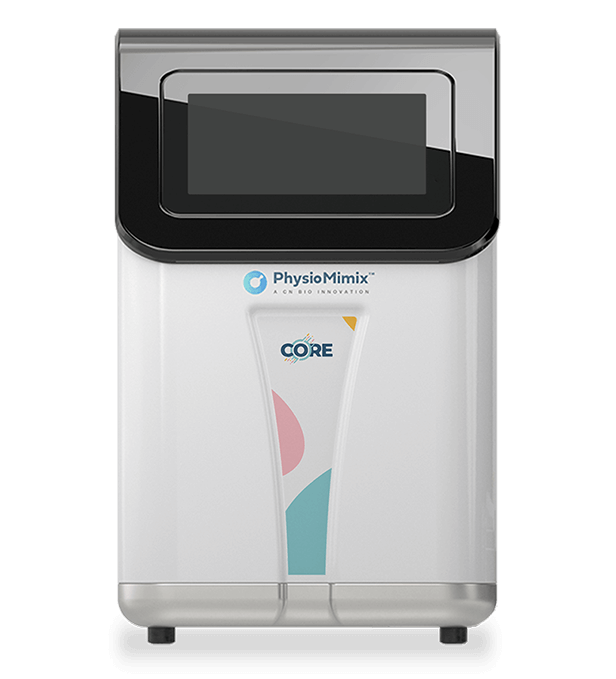
PhysioMimix® is a suite of hardware, consumables and assay protocols that enable you to recreate complex human biology and accurately predict human drug responses.

PhysioMimix Core

cnb1476_physiomimix-core_mark_mocks_system_v2
Learn more

Consumables

Multi-chip plates
3D validated cells
Learn more

Models

Single-organ models
- Liver-on-a-chip model
- Lung-on-a-chip model
Multi-organ models
- Gut/Liver-on-a-chip models

Support packages

PhysioMimix® support packages

Discover the applications


Investigate the validated core application areas that our PhysioMimix® products and services support

Learn more

Disease modeling

Metabolic dysfunction-associated steatohepatitis
Hepatitis B
Pulmonary infection
Learn more

Safety toxicology

Drug-induced liver injury
Immune-mediated liver injury
Learn more

ADME

Drug absorption
Drug metabolism
Drug bioavailability
Oligonucleotide delivery
Learn more

Studies as a service


Our team will work collaboratively with you to design a study around your research goals and generate actionable data within weeks

Learn more
icon-nash-1-150x150.png MASLD/MASH
icon-dili-tox-150x150.png Drug-induced liver injury
icon-adme-150x150.png ADME

EUROoCS Annual Meeting 2026

April 9, 2026

Event > Conference >

EUROoCS Annual Meeting 2026


The EUROoCS 2026 Annual Meeting will bring together leading experts from academia, clinical research, industry, regulatory agencies, and policymakers to explore the latest breakthroughs in Organs-on-chip (OOC) and microphysiological systems (MPS).

Discover the PhysioMimix® Core System & learn about CN Bio’s role in the recent FDA iSTAND-accepted cross platform evaluation of commercial liver MPS.

Visit our booth to learn more about the most advanced in vitro models available.

cnb1615 euroocs26 event logo v1 | EUROoCS Annual Meeting 2026
22 - 24 June, 2026
Braga, Portugal
Book a meeting at EUROoCS 2026

Visit us at EUROoCS – Stand # TBC

Join us at our booth and discover why the PhysioMimix is like no other!

Designed to support the generation of physiologically relevant mechanistic data, our technology helps you de-risk candidate selection, enabling confident decision‑making, whilst reducing reliance on animal models in line with evolving regulatory expectations.

Our dedicated team will be at hand to answer your questions and share over a decade of Organ‑on‑a‑chip (OOC) expertise.
Book a meeting at EUROoCS 2026
cn-bio_anoatomy_on-light

physiomimix core front 1 | EUROoCS Annual Meeting 2026

What’s New?

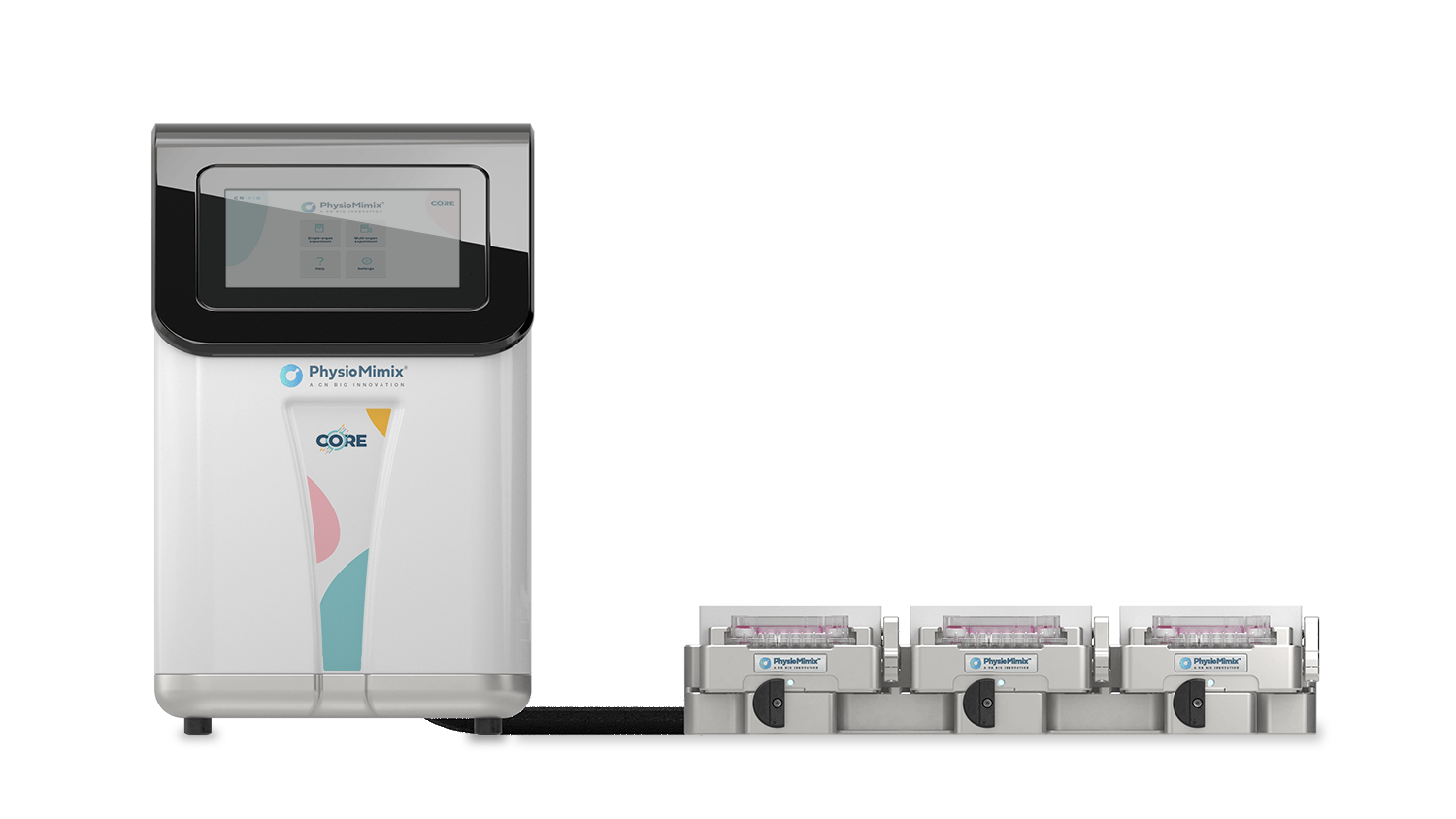
Explore the PhysioMimix® Core System and discover more about CN Bio’s participation in an ISTAND-accepted DILI project!

The only microphysiological system with validated performance across single-organ, multi-organ, and higher throughput configurations

The PhysioMimix Core offers a unified and flexible solution that’s easy to adopt, adapt and scale.

  • Ensures a simple start for immediate productivity
  • Offers flexibility to grow with your needs​
  • Matches immediate and future demand
Find Out More

News

cnb1439 3rs project page ad v1 | EUROoCS Annual Meeting 2026

3RsC project with FDA

Building confidence in Liver MPS for regulatory decision making: The 3Rs Collaborative & FDA-CDER’s cross-platform DILI project

CN Bio is participating in a 3Rs Collaborative-led project with the FDA to build confidence in Liver MPs for DILI – Now iSTAND accepted

Learn more

Attend our presentation:

Building confidence in Liver MPS for regulatory decision making: The 3Rs Collaborative & FDA-CDER’s cross-platform DILI project

Our presentation explores the ability of microphysiological systems (MPS) to accurately predict human responses and how their subsequent implementation across different areas of drug development is being analyzed worldwide. As MPS move beyond proof‑of‑concept models to become internal and regulatory‑ready decision‑making tools, increasing scrutiny is being applied to the accuracy, robustness, and reliability of the different technologies available.

To gain greater confidence in these tools, regulators such as the FDA are implementing measures to evaluate models and methods against specific contexts of use (CoUs). Recently, a letter of intent (LOI) was accepted into the FDA’s ISTAND program for a cross‑platform project evaluating the ability of eight commercial Liver MPS to detect drug‑induced liver injury (DILI), led by a consortium initiated by the 3Rs Collaborative and FDA CDER. To qualify and compare each model, eight blinded compounds (four hepatotoxic compounds and four non‑hepatotoxic paired controls) were provided to each technology provider, including CN Bio, and tested in parallel to each other.

As one of the Liver MPS providers, we present our results from this evaluation. Compounds were tested using microtissues incorporating primary human hepatocytes (PHH) and Kupffer cells, under continuous perfusion. The tissues were dosed across six concentrations over a 10‑day period. Liver viability and functionality markers were evaluated alongside CYP3A4 activity throughout the dosing period. All raw data was then delivered to the NIH‑NIEHS for independent analysis alongside the results from other MPS providers.

In this study, we evaluated eight compounds, spanning both hepatotoxic and non‑hepatotoxic profiles, and captured a range of risk profiles and mechanisms of toxicity. Using Drug 150 as an example, the model maintained liver function at clinically relevant exposures, with toxicity detected at higher concentrations over repeated dosing.

Through the standardized, cross‑platform evaluation of eight Liver MPS, this project builds confidence in the ability of MPS technologies to detect DILI, while providing a valuable framework for future evaluation, standardization, and regulatory acceptance of MPS tools in drug development.

Date: TBC

Time: TBC

Room: TBC

Presenters:

Dr. Emily Richardson


Visit our poster​ presentation

Building confidence in Liver MPS for regulatory decision making: The 3Rs Collaborative & FDA-CDER’s cross-platform DILI project​

Date: TBC

Time: TBC

Venue: TBC

Presenter: Dr Emily Richardson

More Info

Building confidence in Liver MPS for regulatory decision making: The 3Rs Collaborative & FDA-CDER’s cross-platform DILI project​

Building confidence in Liver MPS for regulatory decision making: The 3Rs Collaborative & FDA-CDER’s cross-platform DILI project​

The ability of microphysiological systems (MPS) to accurately predict human responses and subsequent implementation into different areas of drug development is being analysed worldwide. Increasing scrutiny is being implemented on the accuracy, robustness and reliability of different technologies, moving beyond proof-of-concept models to internal and regulatory decision-making tools. Regulators such as the FDA are implementing pathways to evaluate these methods against specific contexts of use (CoUs) to gain confidence in the tools. Recently, a letter of intent (LOI) was accepted to the FDA’s iSTAND programme for a cross-platform project to evaluate the ability of eight commercial liver MPS to detect drug-induced liver injury (DILI) by a consortium begun by the 3Rs Collaborative and FDA CDER. To qualify and compare each model, eight blinded compounds (4 hepatotoxic, 4 non-hepatotoxic paired controls) were provided to each company to test in parallel. Here, we present the results from one of the Liver MPS from this evaluation, where the compounds were tested on microtissues formed on a continuously perfused scaffold from primary human hepatocytes and Kupffer cells. Dosing occurred for 10 days in a 6- dose concentration range (0.05x to 10x Cmax). Markers for liver viability (LDH, ALT, AST) and functionality (albumin, bile acid, IL-6) were evaluated alongside CYP3A4 activity across the dosing period. All raw data was delivered to the NIH-NIEHS for independent analysis alongside results from other liver MPS. The study identified 4 hepatotoxic and 4 non-hepatotoxic compounds. A range of risk profiles and mechanisms of toxicity were identified. With the example of Drug 150, higher functional activity (increased albumin and CYP3A4) was detected up to 1x Cmax over the 10 days of dosing, after which toxicity was captured at 5x and 10x Cmax through increased LDH, ALT and AST and decreased albumin, IL6 and CYP3A4. Through the standardized evaluation of the eight liver MPS in the project, further confidence in the range of each MPS to detect DILI will be delivered, whilst giving a framework for future evaluation and standardization projects of MPS tools for drug development and regulatory acceptance.​

Development of a Perfused Melanoma MPS Incorporating a Transwell®‑Based Endothelial Monolayer to Evaluate Efficacy of a CAR T‑Cell Therapy

Date: TBC

Time: TBC

Venue: TBC

Presenter: Daniel Rieger

More Info

Development of a Perfused Melanoma MPS Incorporating a Transwell®‑Based Endothelial Monolayer to Evaluate Efficacy of a CAR T‑Cell Therapy

Development of a Perfused Melanoma MPS Incorporating a Transwell®‑Based Endothelial Monolayer to Evaluate Efficacy of a CAR T‑Cell Therapy

Preclinical models like microphysiological systems (MPS) are at the forefront of cancer research. However, models capturing the full immunological cascade of immunotherapeutic agents, such as CAR T cells, from circulation in the bloodstream through vascular transendothelial migration and infiltration into primary tumours, remain scarce. Recreating the physical and biochemical barriers imposed by the tumour microenvironment using advanced in vitro systems is critical for investigating CAR T‑cell performance against primary neoplasms, while simultaneously providing insights into potential adverse effects.

As part of Melomanes, an EU-wide research consortium dedicated to the development of an immunotherapy combining anti-HLA.CAR+T-cells and magnetic nanoparticles capable of inducing localised hyperthermia, this project aims to develop an advanced Melanoma-on-a-chip MPS model to evaluate therapeutic efficacy and safety of CAR T-cells.

This model was developed using the PhysioMimix® Core platform, under medium circulation to model blood flow. A Transwell®-based dual-compartment strategy enabled chemokine-driven immune cell migration across a HUVEC layer enabling subsequent investigation of immune cell activity against malignant tissue in a controlled microphysiological environment.

Such human-based preclinical models offer a roadway to predictive success whilst reducing the reliance on in vivo models.


Meet the CN Bio Team at EUROocS 2026

Adrian grey | EUROoCS Annual Meeting 2026

Adrian

Director of Sales, Europe

A seasoned business developer with extensive commercial experience in the life science sector, Dr. Adrian Rea joined CN Bio as the European Director of Sales in June 2022. He brings valuable experience in the 3D cell culture market from his most recent role at InSphero, where he was responsible for developing business opportunities in European and Asian markets. He was previously Sales Director at Enzo Life Sciences, where he managed the restructuring of the global distributor sales channels and expanding the European sales operations. Adrian graduated from the University of Glasgow and received his PhD in pharmacology from Glasgow Caledonian University.
    Emily USE THIS ONE | EUROoCS Annual Meeting 2026

    Emily

    Biology Group Leader

    Dr. Emily Richardson is a Biology Group Leader at CN Bio, where she oversees the development and validation of microphysiological systems (MPS) for toxicology and safety assessment. She joined CN Bio in 2020 as a Senior Scientist and played a central role in creating the company’s Lung and Lung/Liver MPS models, advancing their use in infectious disease research and the evaluation of inhaled therapeutics.
    Throughout her time at CN Bio, Dr Richardson has led multiple collaborative and grant funded programmes and acts as a key liaison across academic partners, pharmaceutical organisations, contract research organisations, regulatory bodies, and standardisation groups.
    Her expertise sits at the intersection of complex cell biology and real world drug discovery, informed by industry experience in cellular therapeutics and specialism in complex in vitro modelling. She received her degree in Biochemistry and Molecular Medicine from the University of Nottingham and PhD from the University of Leicester, where she used 3D cell culture to uncover molecular mechanisms driving highly metastatic lung cancers – expertise that continues to shape her approach to developing more predictive and robust human relevant models today.

      DanielR | EUROoCS Annual Meeting 2026

      Daniel

      Doctoral Researcher

      Daniel Rieger is a doctoral researcher at CN Bio, working within the MELOMANES Marie Skłodowska Curie Doctoral Network. His research focuses on the development of a perfused melanoma on chip microphysiological system on the PhysioMimix® Core platform, incorporating endothelial components to study CAR T cell–vascular interactions and anti tumour efficacy. His work supports the advancement of physiologically relevant models for translational immuno oncology research. His interdisciplinary approach is informed by a B.Sc. in Electrical and Information Technology from the Technical University of Munich and a M.Sc. in Biomedical Engineering from TU Vienna, where he developed a sensor integrated organ on chip platform to model human neurogenesis. His training integrates engineering principles with biological model development to enable the generation of complex disease relevant microphysiological systems.

        EUROoCS Annual Meeting 2026

        Book a meeting at EUROoCS 2026

        Speak to our experts

        Request a meeting with one of our OOC experts to see how our products and services can support your studies

        Request a meeting

        Footer

        CN Bio logo

        332 Cambridge Science Park, Milton Road
        Cambridge, CB4 0WN

        UK: +44 (0) 1223 737 941

        US: +1 415 523 4005

        Privacy | Cookies | Regulatory | Accessibility
        Website terms | Terms of sale

        Product Recycling

        ©2025 CN Bio Innovations Ltd
        Registered No. ‍06517359. VAT No. GB978184563

        Latest news

        • Do MHRA and FDA guidelines on non-animal methods in drug development align? March 27, 2026
        • CN Bio to participate in 3Rs Collaborative-led project with FDA to build confidence in Liver MPS for DILI – now ISTAND accepted! January 25, 2026
        • Taking organoids to the next level January 14, 2026
        Cyber Essentials Logo

        Modal Title