

Resource > Articles and Blogs >
Organ-on-a-Chip Transcriptomics: Understanding Molecular Mechanisms Behind Cellular Responses
Filed under: DILI, Disease modeling, General OOC, MASLD/MASH, and Safety toxicology
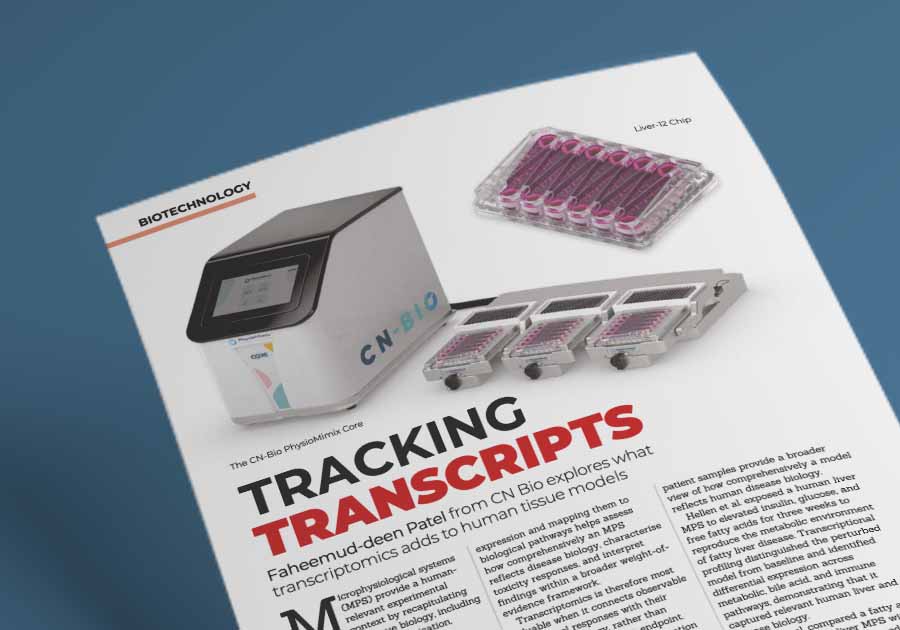
This article was originally published in Eurolab Magazine Oct 2026 and has been posted to our website with kind permission from Setform
Microphysiological systems (MPS) provide a human-relevant experimental context by recapitulating key aspects of tissue biology, including three-dimensional organization, multicellular architecture, and physiological flow.
By reproducing these features, MPS generate functional and mechanistic datasets that reveal human physiologically relevant activities and more accurate responses to disease stimuli or drug exposure. Transcriptomics adds a complementary molecular dimension, enabling researchers to characterize pathway-level changes that drive, accompany, or precede measurable functional responses. Together, these approaches provide a more comprehensive view of biological processes, helping distinguish whether a response is emerging, adapting, resolving, or progressing.
The transcriptome is the set of RNA transcripts present in a sample. Measuring changes in gene expression and mapping them to biological pathways helps assess how comprehensively an MPS reflects disease biology, characterize toxicity responses, and interpret findings within a broader weight-of-evidence framework.
Transcriptomics is therefore most valuable when it connects observable tissue-level responses with their underlying biology, rather than serving as a standalone endpoint. This article explores its application to disease model characterization and safety-mechanism investigation, before considering regulatory evaluation, MPS selection, and the interpretation of molecular and functional evidence together.
Model characterization
Morphology and biomarker panels confirm several disease-relevant features, but transcriptomic comparisons with healthy tissue and patient samples provide a broader view of how comprehensively a model reflects human disease biology.
Hellen et al. exposed a human liver MPS to elevated insulin, glucose, and free fatty acids for three weeks to reproduce the metabolic environment of fatty liver disease. Transcriptional profiling distinguished the perturbed model from baseline and identified differential expression across metabolic, bile acid, and immune pathways, demonstrating that it captured relevant human liver and disease biology.
Vacca et al. compared a fatty acid challenged human liver MPS with a Western diet-fed mouse model, finding that approximately 80% of expressed genes were shared. Recombinant BMP8B treatment activated inflammatory, proliferative, and transient profibrotic pathways in the liver MPS. These responses reflected those observed in BMP8B-knockout mice and were supported by phosphoproteomic and secretome measurements. BMP8B was therefore identified as a mechanistically plausible target during the early inflammatory phase of fatty liver disease progression.
Reducing risk in drug safety
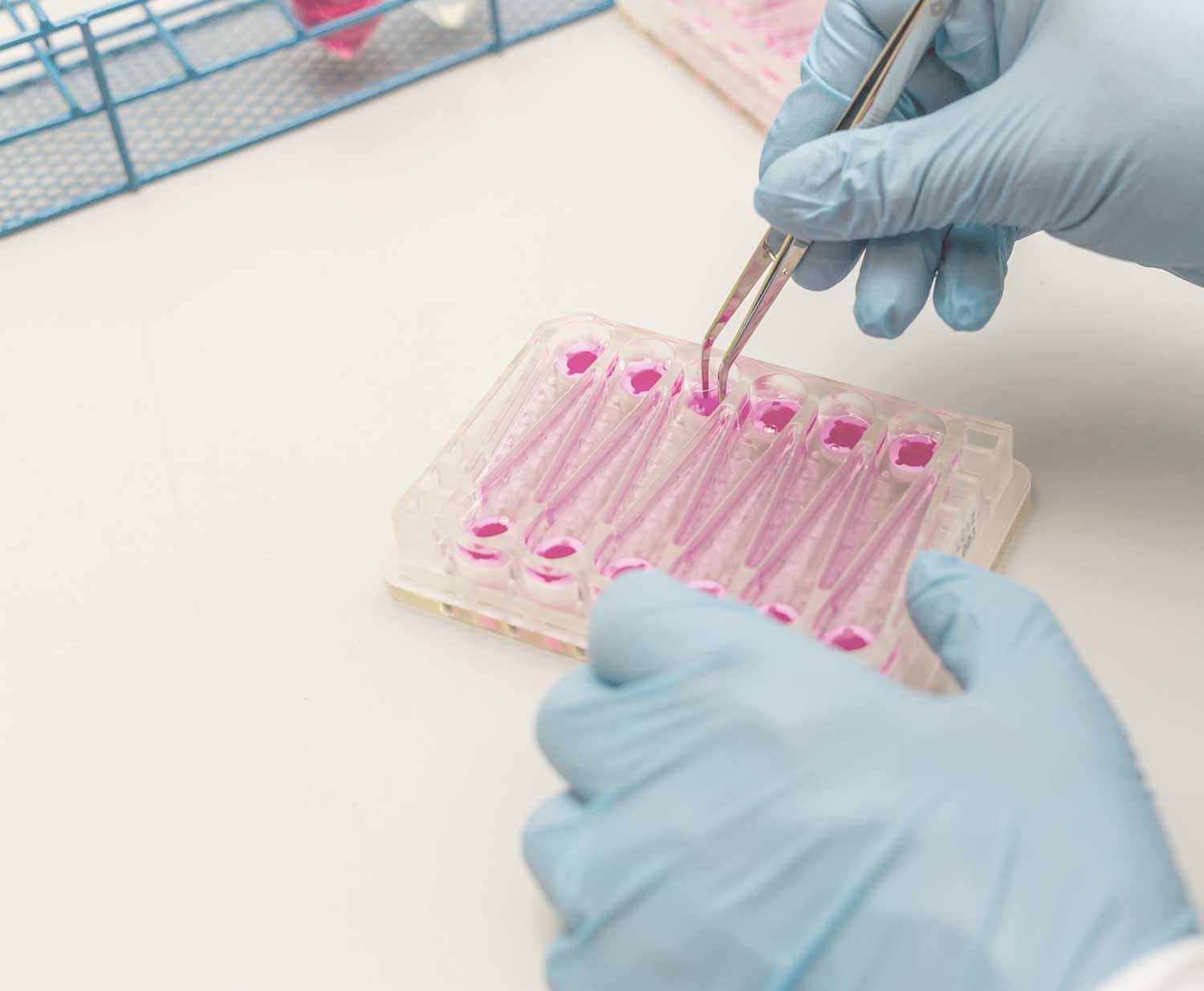
For drug-induced liver injury (DILI) assessment, liver MPS generate rich profiles through measurements of liver function, bile acid handling, and injury biomarkers. Transcriptomics adds a molecular layer by revealing pathway-level responses before changes are detectable at the cellular level, helping researchers determine whether a response is emerging, adapting, resolving, or progressing. This is valuable for studying idiosyncratic DILI, where early responses may be missed by conventional endpoints.
Transcriptomic data also facilitate interspecies comparisons. Negi et al. profiled human, monkey, rat, and dog liver MPS, tracking function, phenotype, and transcription over 14 days. Gene expression revealed species-specific pathway effects, reinforcing the value of transcriptomics for improving the translational relevance of MPS.
This ability to generate interpretable, human-relevant evidence is increasingly important as regulatory science transitions away from animal testing. The combination of human in vitro tissues with functional longevity plus transcriptomic analysis contributes valuable data for weight-of-evidence packages or investigational toxicity studies for new approach methodology-based DILI assessment.
The regulatory application of transcriptomics is being investigated through a project led by the 3Rs Collaborative with the US Food and Drug Administration Center for Drug Evaluation and Research. Eight liver MPS were assessed using eight blinded compounds under a single context of use: the retrospective evaluation of elevated liver enzymes in early-phase clinical trials to support dosing decisions. Transcriptomics was included as an exploratory endpoint at final assessment, rather than as a classification measure, to evaluate how molecular data could contextualize core measures and support interpretation. This work is ongoing and will help to highlight the power of transcriptomic analysis in DILI assessment.
Choosing the right MPS
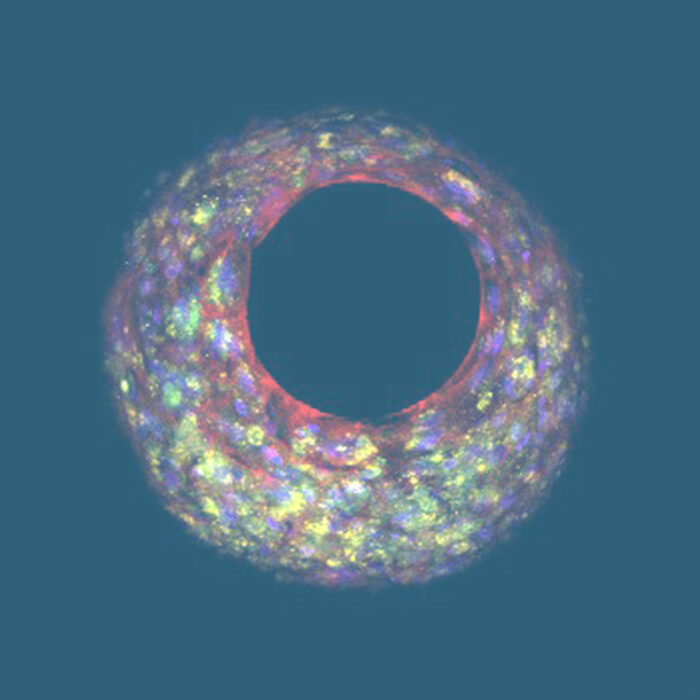
The most appropriate MPS depends on the scientific question. Spheroids and organoids offer practical, scalable approaches to compound screening, while longer-lived, more physiologically relevant organ-on-a-chip (OOC) models better suit cellular- and molecular-level mechanistic studies or transcriptomic analysis of selected hits. Researchers should consider whether a model contains sufficient numbers and proportions of relevant cell types, generates enough RNA without extensive pooling, and remains phenotypically stable throughout the study. Models that combine transcriptomics with longitudinal media sampling, imaging, and functional endpoints generate a more complete dataset from the same sample.
Reading the evidence together
Functional MPS readouts establish what occurs at the tissue level, while transcriptomic data reveal the underlying molecular processes. The value lies not in generating more data for its own sake, but in enabling clearer biological interpretation of efficacy, safety, and disease-relevant findings to support confident decisions.
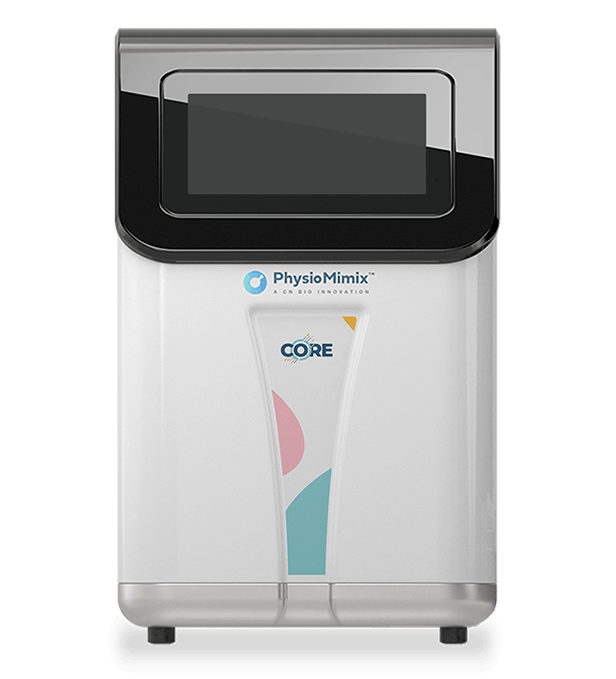
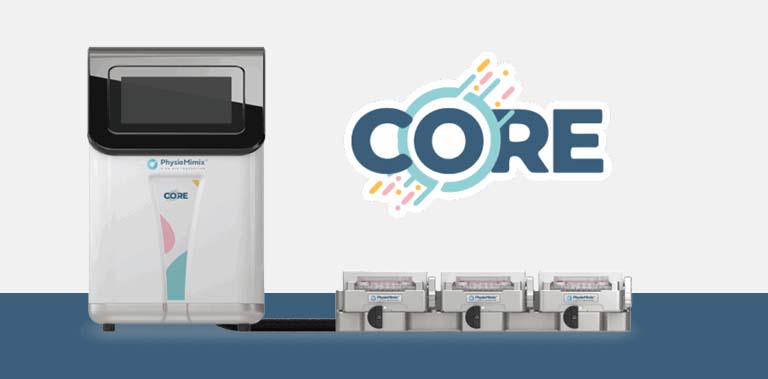
The PhysioMimix® Core MPS platform supports this integrated approach by combining functional and molecular readouts within human-relevant tissue models.
Browse our site to learn more
PhysioMimix Core
PhysioMimix Core is the only microphysiological system that’s easy to adopt, adapt and scale right away
DILI application
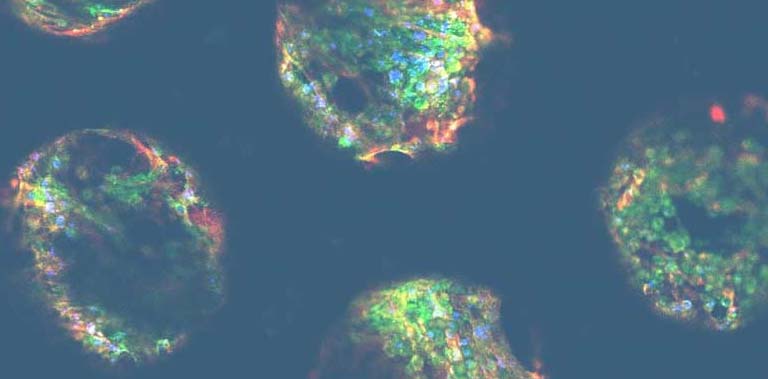
Model the complexities of human Metabolic dysfunction-associated steatohepatitis (MASH) in vitro
MASH application
Predict complex, latent and immune-related DILI with sensitive in vitro hepatotoxicity assays
Author

Faheemud-deen Patel
Sr Scientific Writer, CN Bio