




• Skip to main content
  • Skip to footer
UK Plans to phase out animal testing cnb1662_ec-reg-news_navigation-ad_v2
  • About us
  • News
  • Events
  • Careers
cn-bio-organ-on-a-chip-logo
  • Applications
    • Disease modeling
    • Safety toxicology
    • ADME
  • Services
    • Non-Alcoholic Steatohepatitis
    • Drug-Induced Liver Injury
    • ADME
  • Products
    • PhysioMimix® Core Microphysiological System
    • Consumables
      • PhysioMimix® Multi-chip plates
      • 3D validated cells
    • Organ-on-a-chip models
    • Gut/Liver-on-a-chip
    • Lung-on-a-chip
    • Support packages
  • Technology
  • Resources
  • Company
    • About us
    • Events
    • News
    • Careers in Biotech
  • Contact us

Discover the applications


Investigate the validated core application areas that our PhysioMimix® products and services support

Learn more

Disease modeling

Metabolic dysfunction-associated steatohepatitis
Hepatitis B
Pulmonary infection
Learn more

Safety toxicology

Drug-induced liver injury
Immune-mediated liver injury
Learn more

ADME

Drug absorption
Drug metabolism
Drug bioavailability
Oligonucleotide delivery
Learn more

Studies as a service


Our team will work collaboratively with you to design a study around your research goals and generate actionable data within weeks

Learn more
icon-nash-1-150x150.png MASLD/MASH
icon-dili-tox-150x150.png Drug-induced liver injury
icon-adme-150x150.png ADME

Explore our solutions


PhysioMimix® is a suite of hardware, consumables and assay protocols that enable you to recreate complex human biology and accurately predict human drug responses.

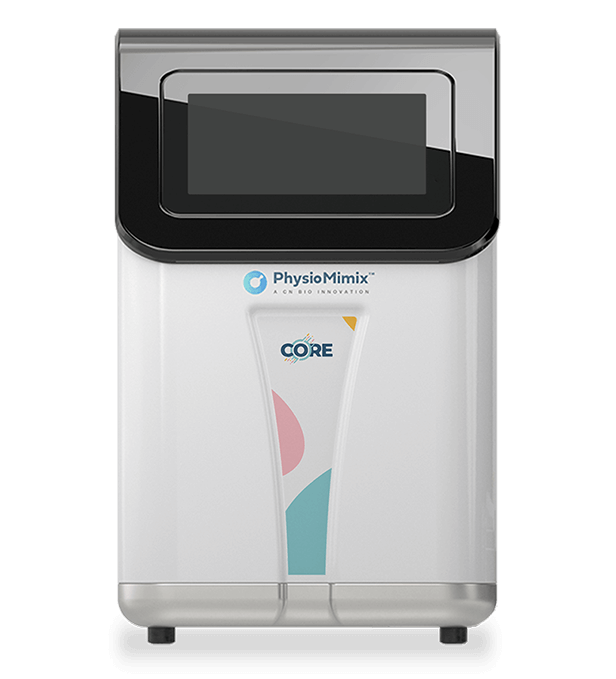
PhysioMimix Core

cnb1476_physiomimix-core_mark_mocks_system_v2
Learn more

Consumables

Multi-chip plates
3D validated cells
Learn more

Models

Single-organ models
- Liver-on-a-chip model
- Lung-on-a-chip model
Multi-organ models
- Gut/Liver-on-a-chip models

Support packages

PhysioMimix® support packages

July 29, 2026

Event > Conference >

ISSX North America 2026


Visit us at Booth #401
cnb1613 issx na 26 event logo v1 | ISSX North America 2026
October 11 – 14, 2026
Hilton Union Square | San Francisco, California, USA
Book a Meeting

Make More Confident DMPK Decisions with Human-Relevant Data

At CN Bio, we’re helping scientists generate more predictive, human-relevant data for more insightful decision-making. Our advanced single- and multi-organ microphysiological systems (MPS) capture the biological mechanisms that traditional approaches miss.

Built to address real-world ADME/DMPK challenges, our assays enable lead optimization and preclinical researchers to:

  • Predict human oral bioavailability with greater confidence
  • Understand first-pass metabolism earlier
  • Assess clinically relevant DDI risk
  • Generate PBPK-ready parameters from human-relevant models
  • Inform lead selection, formulation and dosing strategy


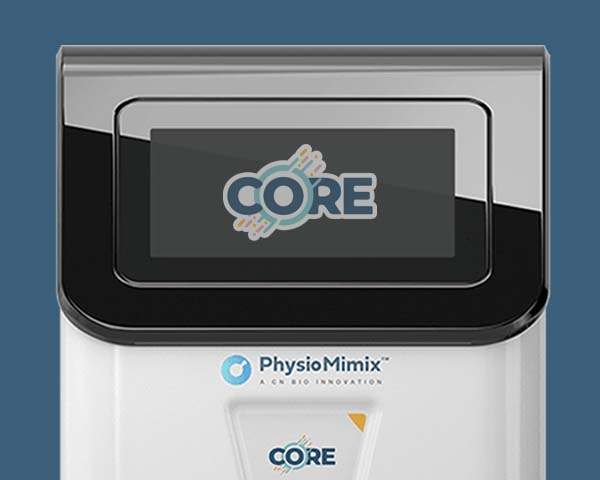
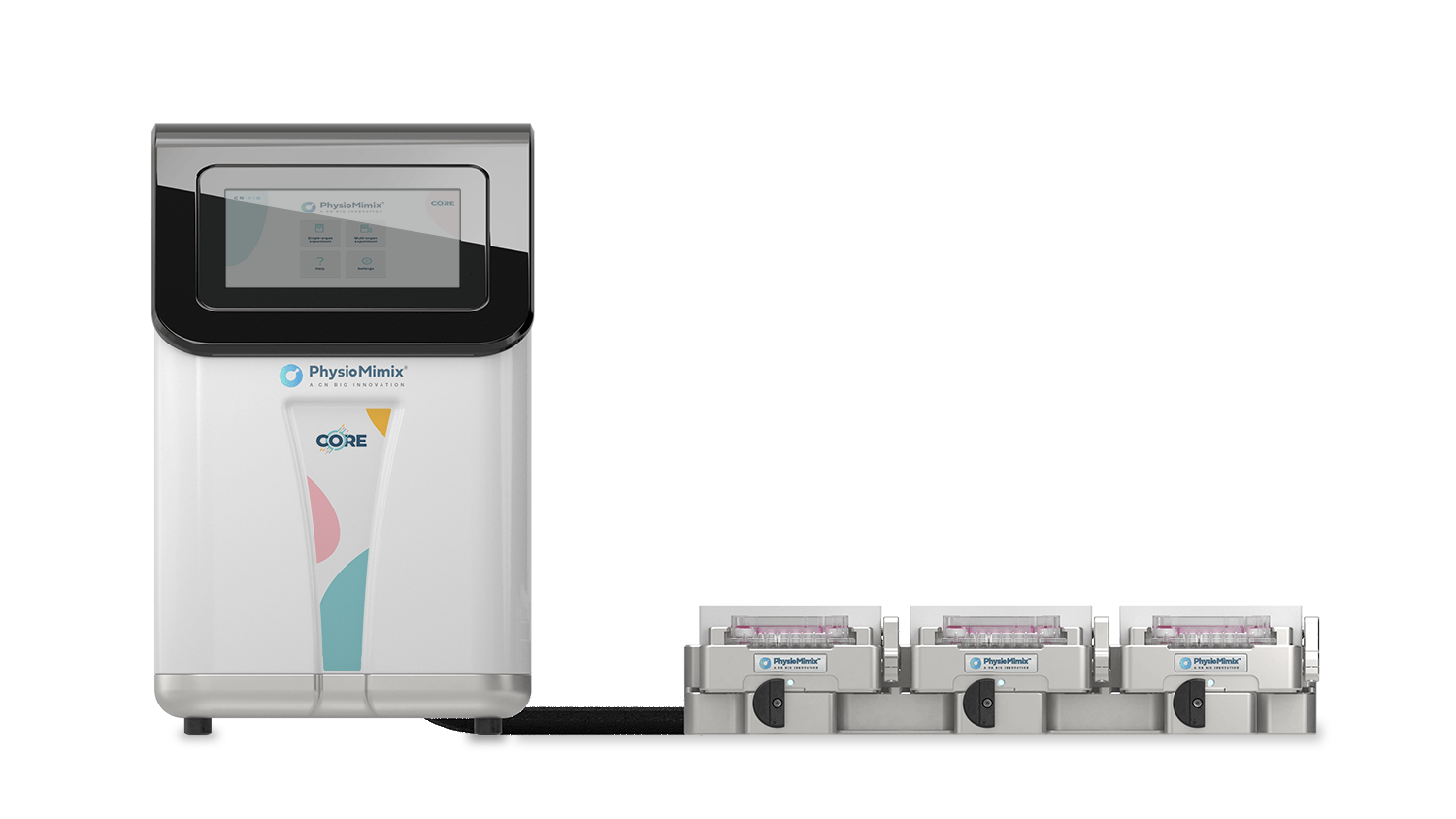
Visit our booth at ISSX North American 2026 to see how researchers are using the PhysioMimix® Core platform to answer critical DMPK questions earlier, generate more meaningful translational insights, and reduce uncertainty before progressing compounds into the clinic.

Meet our scientists, discuss your current DMPK challenges, and discover how Organ-on-a-Chip technology can help you generate more predictive human-relevant data for drug discovery and development.
Book a meeting with our DMPK experts
cnb1592 physiomimix core about journey timeline v1 | ISSX North America 2026

physiomimix core front 1 | ISSX North America 2026

What’s New?

Solve Today’s DMPK Challenges Without Rebuilding Your Workflow

As DMPK teams look to incorporate more predictive, human-relevant methods into routine workflows, many face a common challenge: adopting new technologies without disrupting established processes.

PhysioMimix® Core helps researchers move from proof-of-concept studies to routine decision-making by providing a single platform that supports single-organ, multi-organ, and higher-throughput workflows.

  • Start quickly with validated protocols
  • Expand as your research questions evolve
  • Generate data for ADME, safety and disease modelling in the same platform
  • Access the technology directly or through CN Bio’s contract research services
  • Build confidence with a platform participating in an FDA iSTAND-accepted cross-platform Liver MPS evaluation


Why researchers are paying attention

  • Participant in an FDA iSTAND-accepted cross-platform Liver MPS evaluation
  • Demonstrating reproducible oral bioavailability assessment across laboratories
  • Supporting PBPK workflows with human-relevant ADMET parameters
  • Presenting new data on CYP2D6 variability and clinically relevant DDIs at ISSX 2026
Find Out More


Have a Specific DMPK Challenge?

Meet with our scientists and application experts to discuss:

  • Improving oral bioavailability prediction
  • Understanding first-pass metabolism
  • Assessing CYP-mediated DDIs
  • Evaluating transporter interactions
  • Generating PBPK-ready parameters
  • Implementing human-relevant DMPK workflows
  • Supporting NAM and regulatory initiatives
  • Applying insights from FDA iSTAND validation efforts
Book a meeting with our DMPK experts

See Real Data From Next-Generation DMPK Workflows

Visit our poster​ presentations

Learn how CN Bio researchers are using multi-organ MPS and mechanistic modeling to:

  • Predict oral bioavailability
  • Model clinically relevant DDIs
  • Capture CYP polymorphism effects
  • Generate PBPK-ready parameters
  • Demonstrate inter-laboratory reproducibility

A MULTI-ORGAN MPS-PBPK WORKFLOW FOR PROFILING CYP2D6 POPULATION ACTIVITY THROUGH DEXTROMETHORPHAN METABOLISM

Date: TBC

Time: TBC

Presenter: Dr. Yassen Abbas

More Info

A MULTI-ORGAN MPS-PBPK WORKFLOW FOR PROFILING CYP2D6 POPULATION ACTIVITY THROUGH DEXTROMETHORPHAN METABOLISM

A MULTI-ORGAN MPS-PBPK WORKFLOW FOR PROFILING CYP2D6 POPULATION ACTIVITY THROUGH DEXTROMETHORPHAN METABOLISM

New approach methodologies (NAMs) are emerging as powerful alternatives to accelerate and improve preclinical drug discovery 1,2. Conventional in vitro and in vivo models used to estimate absorption, clearance, and oral bioavailability often lack translational reliability, resulting in poor prediction of clinical dosing for Investigational New Drug applications 3,4. While physiologically based pharmacokinetic (PBPK) modelling can help bridge this gap by integrating preclinical data into a systems-level framework, its predictive performance is fundamentally limited by the quality, mechanistic scaling, and human relevance of the input parameters 5. This work presents a microphysiological system (MPS) to PBPK workflow, where ADME parameters can be successfully extracted from MPS time course data and used to predict clinical dosages through PBPK modelling. Cytochrome P450 2D6 (CYP2D6) is a highly polymorphic enzyme exhibiting substantial interindividual variability in metabolic activity 6. Consequently, drugs metabolised by CYP2D6 frequently require dose adjustment based on patient-specific activity scores. Accurately capturing this variability in preclinical systems remains a key challenge for predicting human pharmacokinetics and informing dosing strategies. In this study, a primary human Gut/Liver MPS was utilised to generate human-relevant parameters. This system utilises primary cells using RepliGut® Planar jejunal epithelial monolayers and liver microtissue derived from human hepatocyte donors.  Experimental concentration-time profiles from the MPS were used to construct an in silico compartmental model, enabling estimation of key parameters including intestinal absorption, hepatic intrinsic clearance, first-pass extraction and oral bioavailability. These experimentally derived parameters were subsequently scaled and incorporated into a PBPK model for prediction of clinical pharmacokinetics and dose requirements. Primary human hepatocyte donors representing a range of CYP2D6 activity scores were incorporated to enable direct assessment of genotype-phenotype relationships. Dextromethorphan was selected as a model CYP2D6 substrate, and both parent compound and metabolite formation were quantified to characterise metabolic activity across hepatocyte donor groups. Distinct activity-dependent metabolic profiles were observed, with clear differences in intrinsic clearance and metabolite formation rates corresponding to CYP2D6 activity score. Integration of gut and liver compartments enabled simultaneous assessment of first-pass metabolism and systemic exposure, providing a more physiologically relevant representation of oral drug disposition compared to conventional static systems. The experimentally derived parameters were subsequently scaled and incorporated into a PBPK model to predict human pharmacokinetics. Model outputs demonstrated good agreement with clinical datasets across CYP2D6 phenotypes, supporting the translational relevance of the generated data. This combined MPS-PBPK approach improves the prediction of human pharmacokinetics and captures CYP2D6-driven interindividual variability. This work highlights the potential of NAMs and the Gut/Liver MPS to enhance dose prediction, support precision-medicine strategies, and reduce reliance on animal models in drug development.

USING A GUT/LIVER MICROPHYSIOLOGICAL SYSTEM TO PREDICT DRUG-DRUG INTERACTIONS IN HUMANS  

Date: TBC

Time: TBC

Presenter: Dr. Joseph Broomfield

More Info

USING A GUT/LIVER MICROPHYSIOLOGICAL SYSTEM TO PREDICT DRUG-DRUG INTERACTIONS IN HUMANS

USING A GUT/LIVER MICROPHYSIOLOGICAL SYSTEM TO PREDICT DRUG-DRUG INTERACTIONS IN HUMANS

Drug-drug interactions (DDIs) are a critical consideration in patients with comorbidities, where the use of multiple medications is common and can significantly affect therapeutic efficacy and safety. Interactions involving metabolising enzymes and drug transporters can alter oral bioavailability, systemic exposure, and ultimately clinical outcomes 1. Despite their importance, predicting DDIs prior to first-in-human studies remains challenging, particularly where both intestinal absorption and hepatic metabolism contribute to compound disposition 2. Microphysiological systems (MPS) that integrate multiple human-relevant tissues offer a promising approach to address this gap. [YA1.1] Such systems are particularly valuable when they enable the effects of DDIs to be delineated both in individual organs separately and within a more complex Multi-Organ system. Here, we present a Gut/Liver MPS comprising Repligut® Planar primary jejunal epithelial cells and liver microtissues derived from human hepatocyte donors. This platform of primary cells enables mechanistic investigation of clinically relevant DDIs by recapitulating key aspects of oral absorption and first-pass metabolism, allowing simultaneous assessment of enzyme and transporter-mediated interactions. DDIs involving CYP3A4 substrates were successfully modelled within the Gut/Liver MPS. [YA2.1]Inhibition of CYP3A4 by ritonavir, which led to a marked increase in the oral bioavailability of darunavir, consistent with the well-characterised in vivo boosting effect used clinically to enhance HIV protease inhibitor exposure 3. [YA3.1]Conversely, induction of CYP3A4 activity using rifampicin resulted in accelerated metabolism of dabrafenib, reducing its bioavailability[YA4.1] and demonstrating the system’s ability to capture induction-driven clearance mechanisms relevant to oncology therapeutics. Development of an in silico compartmental model from the time-course data generated from these MPS experiments can be utilised to predict key ADME parameters including hepatic clearance, intestinal absorption and oral bioavailability with and without DDI. Importantly, the integrated Gut/Liver MPS enabled the contribution of intestinal and hepatic CYP3A4 activity to be evaluated independently while also revealing the overall effect on systemic drug disposition. In addition to metabolic DDIs, transporter-mediated interactions were investigated. P-glycoprotein (P-gp) inhibition kinetics were characterised using the P-gp substrate and prodrug dabigatran etexilate in the presence of the inhibitor zosuquidar. The system enabled quantitative assessment of altered transport and absorption dynamics within Repligut® Planar primary human epithelial intestinal cells. Furthermore, carboxylesterase 1 and 2 (CES1/2) activity was successfully quantified through detection of dabigatran etexilate metabolites and formation of the active drug, dabigatran, demonstrating the model’s capability to resolve prodrug activation pathways alongside transporter effects. Collectively, this work highlights the utility of a physiologically relevant Gut/Liver MPS for integrated assessment of enzyme- and transporter-mediated DDIs. The platform provides mechanistic insight into complex interactions affecting oral drug disposition and supports improved prediction of clinical outcomes. Such approaches have the potential to inform dose selection strategies, mitigate adverse interactions, and reduce reliance on animal studies during preclinical development.[
“

INTER-LABORATORY REPRODUCIBILITY OF MIDAZOLAM ORAL BIOAVAILABILITY ASSESSMENT USING GUT/LIVER MICROPHYSIOLOGICAL SYSTEMS AND MECHANISTIC MODELLING

Date: TBC

Time: TBC

Presented by: Pharmaron/CN Bio, led by Pharmaron

More Info

INTER-LABORATORY REPRODUCIBILITY OF MIDAZOLAM ORAL BIOAVAILABILITY ASSESSMENT USING GUT/LIVER MICROPHYSIOLOGICAL SYSTEMS AND MECHANISTIC MODELLING

INTER-LABORATORY REPRODUCIBILITY OF MIDAZOLAM ORAL BIOAVAILABILITY ASSESSMENT USING GUT/LIVER MICROPHYSIOLOGICAL SYSTEMS AND MECHANISTIC MODELLING

Evaluating human oral bioavailability (F) remains a critical challenge in drug discovery and development. Microphysiological systems (MPS) offer a promising approach for capturing the intestinal absorption and first-pass metabolism processes that govern oral drug exposure. However, broader adoption of these technologies requires demonstration of reproducible performance across laboratories and compatibility with different biological model systems, and quantitative translation of experimental outputs into pharmacokinetic parameters. Here, we investigated the reproducibility and quantitative translatability of a Gut/Liver MPS workflow using midazolam, a well-characterised CYP3A substrate undergoing both intestinal and hepatic metabolism.
Two independent studies were conducted in separate laboratories using a fluidically coupled Gut/Liver MPS platform. In the first study, the intestinal compartment comprised a primary human intestinal epithelial model from crypt stem/progenitor cells isolated from the jejunum (RepliGut®), alongside a parallel Caco-2 monolayer control. While in the second study, an induced pluripotent stem cell derived small intestinal epithelial model (hiSIECs) was evaluated using the same approach, together with a parallel Caco-2 monolayer. Both studies incorporated a 3D liver microtissue, generated from primary human hepatocytes (PHH) from different donors and employed comparable experimental workflows to simulate oral and intravenous drug administration. Midazolam and its primary metabolite, 1′-hydroxymidazolam, were quantified by LC-MS/MS from system samples collected over 72 hours.
Mechanistic mathematical models integrating intestinal absorption, intestinal metabolism and hepatic disposition were developed to describe parent drug disposition and metabolite formation, enabling estimation of key pharmacokinetic parameters including intestinal permeability, gut and hepatic intrinsic clearance, and the oral bioavailability components Fa, Fg, Fh and F. Model fitting and parameter estimation were applied independently to each dataset.
Despite differences in intestinal cell source, PHH donor and independent execution of the studies, highly comparable concentration-time profiles were observed for both midazolam and 1′-hydroxymidazolam. Mechanistic model analyses generated consistent estimates of oral bioavailability and first-pass extraction parameters, indicating similar contributions of intestinal and hepatic metabolism across the two experimental systems. Predicted oral bioavailability values were comparable between studies and remained within the range reported clinically for midazolam1.
These findings demonstrate that MPS-derived estimates of oral bioavailability can be reproduced across laboratories and intestinal model systems, supporting the broader implementation of Gut/Liver MPS platforms as robust and transferable tools for quantitative ADME assessment and translational pharmacokinetic prediction.
“


Meet the CN Bio Team at ISSX North America 2026

Joe | ISSX North America 2026

Joe Parisi

Director of Sales (Americas Region)

Joe is a Commercial Leader with 14 years’ experience in the life science sector. Joe joined CN Bio as the Americas Director of Sales in December 2023. He comes to CN Bio with valuable startup experience, most recently at IsoPlexis (now part of Bruker Cellular Analysis) and Purigen Biosystems, where he was responsible for building commercial opportunities across the US West. He was previously Sales Director at PhenomeX (now Bruker Cellular Analysis), where he managed the proteomics team in the US West focusing on capital equipment sales for single-cell functional analysis. Joe graduated from the University of Illinois Champaign-Urbana with a BSc in Molecular and Cellular Biology.
    Yass 2 1 | ISSX North America 2026

    Dr. Yassen Abbas

    Biology Group Leader

    Yassen is a Lead Scientist at CN Bio. He completed an MEng in chemical engineering at The University of Edinburgh and joined the European Space Agency as a graduate engineer. He later received a PhD from the University of Cambridge and completed a postdoc fellowship, also at Cambridge, on the development of a tissue-engineered model of the human endometrium. He has experience with real-time sensor technology, organoids, and the development of in vitro tissue models using human primary cells. Yassen has published five peer-reviewed scientific articles, four as first author.
      Anthony | ISSX North America 2026

      Dr. Anthony Berger

      Field Application Scientist (Americas Region)

      Anthony is CN Bio’s US-based Field Application Scientist, providing support for the PhysioMimix® Organ-on-Chip benchtop platform. Anthony has an extensive research background in 3D cell culture, biomaterials, and microfluidics, focusing on how the microenvironment influences cellular decision-making. He is a proponent of complex 3D in vitro models and desires to decrease the barrier to entry of these technologies. Anthony received his Bachelor of Science from Indiana University (US), PhD from the University of Wisconsin, and completed a postdoctoral fellowship at Temple University.
        Joseph Broomfield

        Joseph Broomfield, PhD

        Senior Scientist | Organ-on-a-Chip & Human-Relevant Drug Discovery

        Joseph is a Senior Scientist at CN Bio, specialising in Organ-on-a-Chip technologies and microphysiological systems for drug discovery applications. His work focuses on helping pharmaceutical and biotechnology companies generate human-relevant data for DMPK, toxicology, and translational research, supporting better decision-making throughout the drug development process.

        Joseph earned his PhD from Imperial College London through a Cancer Research UK-funded programme, where he developed novel molecular diagnostic platforms for prostate cancer prognosis. His research combined biosensors, biomarker detection, and precision medicine approaches to create innovative solutions for clinical and translational applications.

        At CN Bio, Joseph applies his expertise to the advancement of physiologically relevant in vitro models that help researchers better understand drug metabolism, efficacy, and safety. His work supports the industry’s growing shift toward predictive, human-relevant technologies that can improve the efficiency and confidence of preclinical drug development.

          Tom | ISSX North America 2026

          Dr. Tomasz Kostrzewski

          Chief Scientific Officer (CSO)

          Tom has more than 15 years of experience in molecular and cellular biology research. He joined CN Bio in 2015 and was promoted to Director of Biology in 2018 with responsibility for biological model development and collaborative research projects with academia, pharma, and regulators. In 2021, he was promoted to VP of Science and Technology, and in 2023 to Chief Scientific Officer, with responsibility for all technical activities, including developing new products, technologies, and assays, as well as contract research services. Tom has managed multiple grant-funded collaborative projects at CN Bio and is currently the project lead for the collaborative project between CN Bio and the FDA. He has published more than 12 peer-reviewed scientific articles in the last five years and submitted several patent applications.

            ISSX North America 2026

            Book a Meeting

            Speak to our experts

            Request a meeting with one of our OOC experts to see how our products and services can support your studies

            Request a meeting

            Footer

            CN Bio logo

            332 Cambridge Science Park, Milton Road
            Cambridge, CB4 0WN

            UK: +44 (0) 1223 737 941

            US: +1 415 523 4005

            Privacy | Cookies | Regulatory | Accessibility
            Website terms | Terms of sale

            Product Recycling

            ©2025 CN Bio Innovations Ltd
            Registered No. ‍06517359. VAT No. GB978184563

            Latest news

            • Organ-on-a-chip trends shaping the next phase of human-relevant R&D from the MPS World Summit 2026 July 6, 2026
            • Which microphysiological system contexts of use are aligned with regulatory roadmaps? June 2, 2026
            • A new era of drug development: Comparing regulatory roadmaps to reduce animal testing June 2, 2026
            Cyber Essentials Logo

            Modal Title